
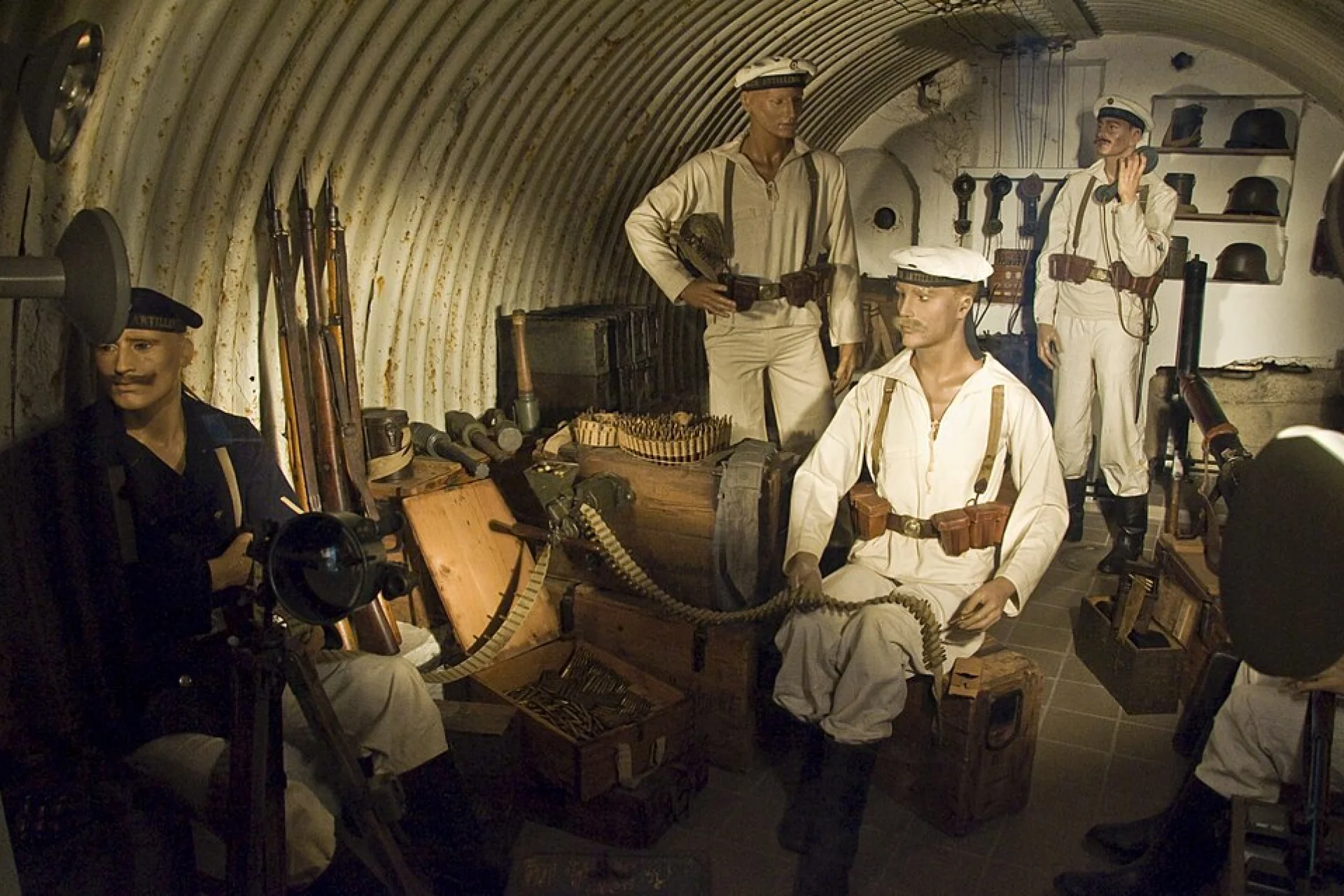
 Photo: Paul Hermans / Wikimedia Commons / License: CC BY-SA 3.0
Nestled along the windswept Belgian coast in Oostende, Atlantikwall Raversyde stands as a stark, preserved testament to one of World War II's most ambitious and formidable defensive projects: the Atlantic Wall. For those seeking to grasp the monumental scale of this conflict and the human stories etched into its fortifications, a visit here is an indispensable journey into the past.
The Atlantikwall, ordered by Adolf Hitler in 1942, was an immense system of coastal fortifications, spanning thousands of kilometers from Norway to the French-Spanish border. Its purpose was singular: to repel any Allied invasion of occupied Europe. Raversyde became a critical component of this defensive chain, positioned strategically on the Belgian coast. The site developed into a formidable German coastal battery, designed to control the sea lanes and beaches against an anticipated amphibious assault. It evolved from an existing Belgian coastal defense position, significantly expanded and reinforced by the occupying German forces, becoming a complex network of concrete and steel.
The German battery 'Saltzwedel-neu' at Raversyde was a heavily fortified complex, featuring powerful artillery, observation bunkers, anti-aircraft positions, and an intricate system of trenches and underground passages. Manned by hundreds of soldiers, its role was to provide robust defense against any Allied landing attempts on the Belgian coast. Though the primary Allied invasion, D-Day, ultimately occurred in Normandy, the mere existence and strength of sites like Raversyde forced the Allies to commit immense resources to deception operations and reconnaissance, and underscored the perilous nature of any cross-Channel assault. Standing amidst these silent concrete giants, one can almost feel the tension and hear the echoes of the soldiers who once waited here, scanning the horizon for an enemy that might never arrive at this precise location, but whose threat loomed constantly.
Today, Atlantikwall Raversyde is one of the best-preserved sections of the Atlantic Wall, offering an unparalleled opportunity to explore this defensive marvel. Visitors can walk through dozens of authentic bunkers, observation posts, and artillery emplacements, many of which have been meticulously restored to their wartime appearance. The site houses the Battery Saltzwedel-neu, complete with its formidable casemates and command bunkers. You can explore the complex network of trenches and underground tunnels, witness anti-tank walls, and view period-specific armaments. The museum sections within the bunkers provide insightful narratives, displaying artifacts, photographs, and personal accounts that humanize the conflict and shed light on the lives of both soldiers and civilians under occupation. It's a place where history isn't just displayed, but felt, as you move through the chillingly functional spaces designed for war.
Atlantikwall Raversyde is an essential destination for anyone embarking on a World War II history journey. It offers a unique and tangible connection to a pivotal period, allowing visitors to comprehend the scale of the Atlantic Wall and the strategic anxieties of the time. This respectful and immersive experience makes Raversyde an invaluable stop, ensuring the stories of those who built, manned, and faced these defenses are never forgotten. We encourage you to allocate ample time to truly absorb the atmosphere and historical weight of this remarkable site, located at Nieuwpoortsesteenweg 636, 8400 Oostende, Belgium.
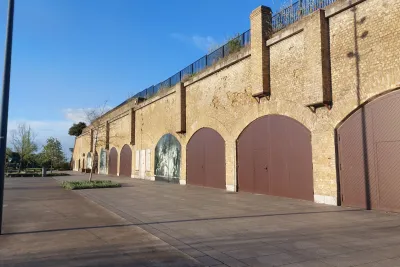
Experience the dramatic history of Operation Dynamo at the Museum Dunkerque 1940. Stand where the WWII evacuation miracle unfolded.
Rating: ★★★★☆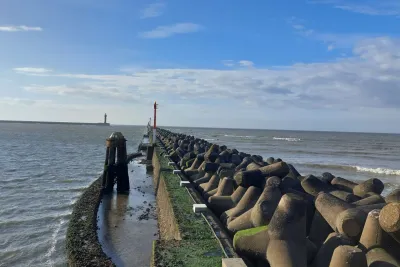
Walk in the footsteps of history at Dunkirk's East Mole, the critical embarkation point for thousands during Operation Dynamo. Explore this hallowed ground.
Rating: ★★★★☆
Plan your World War II trip with guides to museums, battlefields, memorials and historic sites worldwide. Discover the best WWII locations for your next tour.