
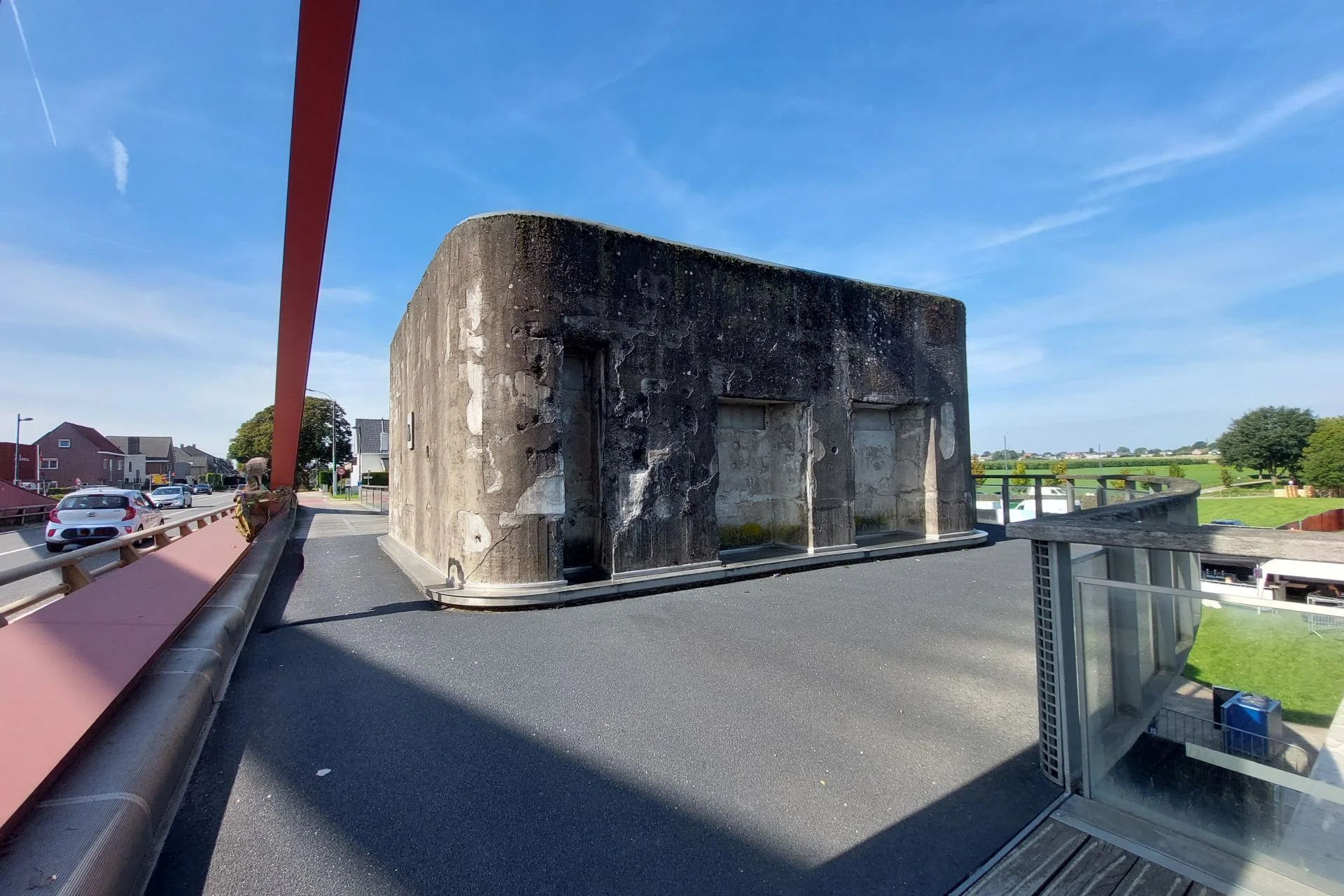
At the dawn of May 10, 1940, the tranquil landscapes surrounding the Albert Canal and Maas River in Belgium were shattered. These waterways, particularly the bridges crossing them, formed a crucial defensive line for Belgium against an anticipated German invasion. Among the most vital was the Brug van Vroenhoven, a strategic bridge spanning the Albert Canal, guarding the approaches to the formidable Fort Eben-Emael and the heart of Belgium. It was a linchpin in the Belgian defense, designed to be destroyed to impede any rapid enemy advance.
In a shocking display of military innovation and audacity, the German Fallschirmjäger (paratroopers) launched a meticulously planned glider assault directly onto the Belgian defensive positions. Their primary objective: neutralize Fort Eben-Emael and seize the bridges over the Albert Canal, including Vroenhoven, intact. Landing precisely in the early hours, small teams of German engineers and infantry swiftly overwhelmed the unprepared Belgian defenders. The battle for the Vroenhoven Bridge was fierce and brief, characterized by the raw courage of both sides. Despite heroic efforts by Belgian soldiers to detonate demolition charges, the Germans, using specialized explosives and rapid tactics, managed to prevent its destruction, securing this vital crossing.
The swift capture of the Vroenhoven Bridge, alongside similar operations at other key crossings, represented a critical early success for the German Blitzkrieg strategy during the Battle of Belgium. It demonstrated the devastating effectiveness of combined arms and surprise tactics, allowing German forces to pour rapidly into Belgium and bypass what was thought to be a formidable defensive barrier. This opening set the stage for the wider invasion of France and the Low Countries, irrevocably altering the course of World War II. Standing here, one can truly grasp the scale and speed of the initial German offensive that reshaped Europe.
Today, the Brug van Vroenhoven stands not just as a bridge, but as a silent monument to the bravery and sacrifice of May 1940. The original bridge, though heavily damaged, was rebuilt. Visitors can walk across this historically charged structure and immerse themselves in the past. Adjacent to the bridge is the excellent Bezoekerscentrum Brug van Vroenhoven (Vroenhoven Bridge Visitor Centre). Here, compelling exhibits, authentic artifacts, and moving personal accounts bring the dramatic events of the invasion to life. Multimedia displays vividly recount the glider assault, the battle for the bridge, and the wider context of the Blitzkrieg.
A visit to the Vroenhoven Bridge offers a profound opportunity to connect with a pivotal moment in World War II history. It's an essential stop on any historical journey through Belgium, providing invaluable insight into the courage of the Belgian defenders and the revolutionary tactics of the German invasion. Combining your visit with a trip to nearby Fort Eben-Emael will offer a complete picture of this dramatic opening chapter of the Western Front. Stand on the bridge, look out over the canal, and feel the weight of history in a place where the fate of nations hung in the balance.
Explore Fort Eben-Emael, the formidable Belgian fortress captured by German paratroopers in WWII's opening hours. Witness history and feel the echoes of battle at this iconic site.
Rating: ★★★★★
Plan your World War II trip with guides to museums, battlefields, memorials and historic sites worldwide. Discover the best WWII locations for your next tour.