
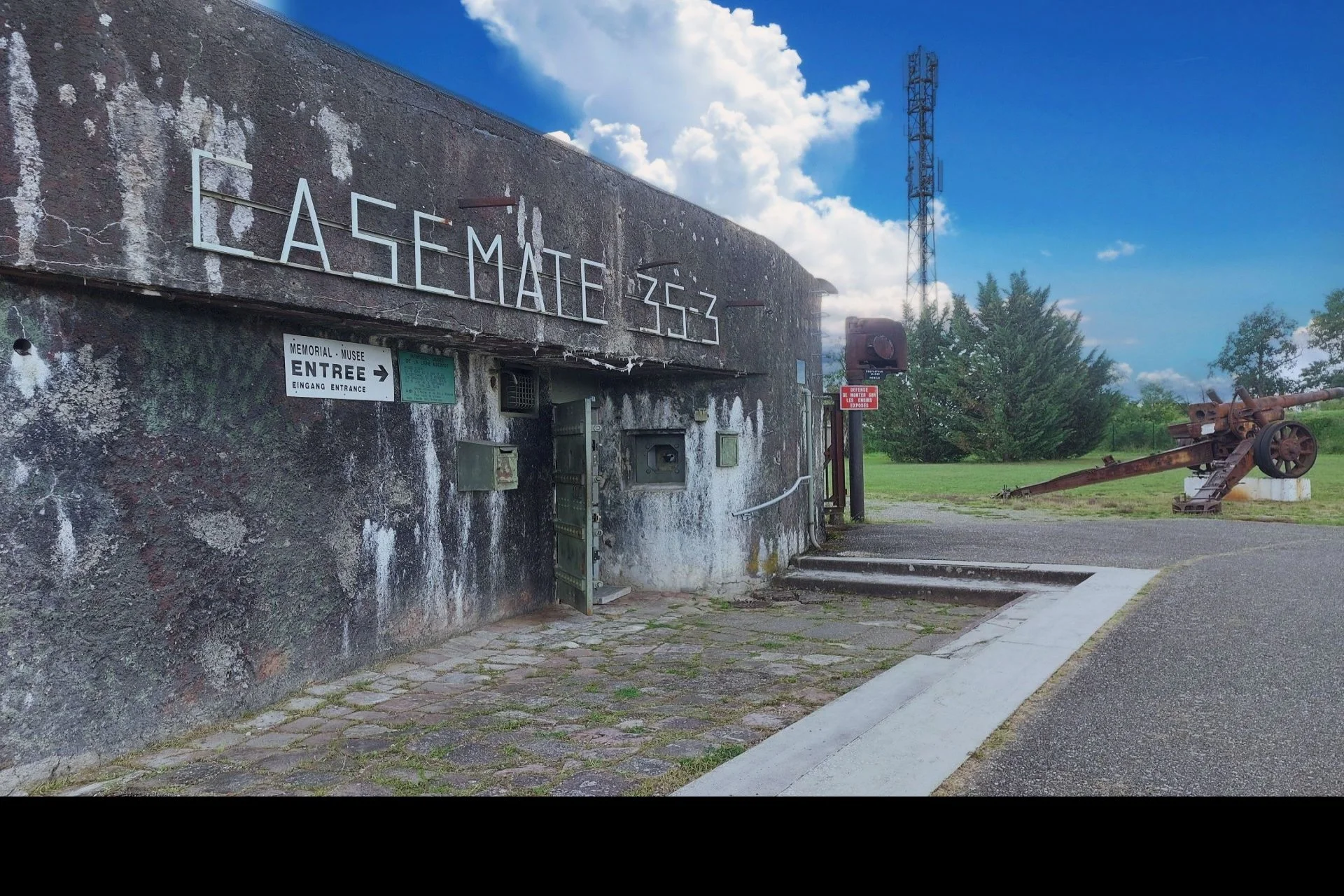
Step back in time to the formidable defenses of World War II, where concrete giants stood sentinel along the borders of France. The Casemate 35/3 in Marckolsheim is more than just a structure; it is a profound testament to human endeavor, sacrifice, and the raw experience of war. As you stand here, you are walking through the very spaces where history unfolded, echoing with the courage of those who served.
Following the devastating Great War, France embarked on an ambitious project: the Maginot Line. This vast network of fortifications, stretching across its eastern frontier, was conceived as an impregnable shield against future invasion. Casemate 35/3, a self-contained concrete blockhouse bristling with armament, was a vital component of this defense, strategically positioned along the Rhine River in Alsace. Completed in the 1930s, it embodied the era's belief in static defense, designed to hold off an enemy long enough for the main French forces to mobilize.
While often depicted as a static failure, the Maginot Line, and places like Casemate 35/3, played a critical role in the opening phases of the Battle of France in 1940. The casemate became the focal point of the intense Battle of Marckolsheim. For days, its small but determined French garrison, armed with machine guns and anti-tank cannons, fiercely resisted overwhelming German attacks, including elements of a Panzer Division. The sustained shelling and direct assaults speak volumes about the tenacity of the defenders. Though eventually outflanked and forced to surrender, their resistance bought precious time, demonstrating the raw courage and resilience of soldiers trapped within a concrete shell against an advancing mechanized army. This casemate represents the human cost and the strategic complexities of the conflict, a stark reminder that even the most formidable defenses could not always withstand the tide of war.
Today, Casemate 35/3 Marckolsheim has been preserved and transformed into an evocative museum. As you venture through its thick concrete walls, you can explore the meticulously restored interiors, from the living quarters of the soldiers to the command post and the firing chambers. Authentic equipment, weapons, and personal effects transport you back to 1940, allowing for a tangible connection to the past. Interpretive displays provide historical context, detailing the casemate's construction, its operational life, and the dramatic events of the Battle of Marckolsheim. The sheer scale of the fortification, its impressive resistance, and the stories of its defenders are brought to life.
Visiting Casemate 35/3 Marckolsheim offers a unique opportunity to stand on the ground where history was made. Located on Rue du Rhin, 67390 Marckolsheim, France, it serves as a powerful historical anchor for any World War II journey. It’s an essential stop for anyone seeking to understand the Maginot Line's role and the human experiences within these fortifications. Connecting with the past here fosters a deeper appreciation for the sacrifices made and the resilience of those who faced the storm of war. This preserved casemate is not just a building; it is a silent narrator of courage and a beacon of remembrance, inspiring travelers to connect with the profound lessons of World War II.
Plan your World War II trip with guides to museums, battlefields, memorials and historic sites worldwide. Discover the best WWII locations for your next tour.