
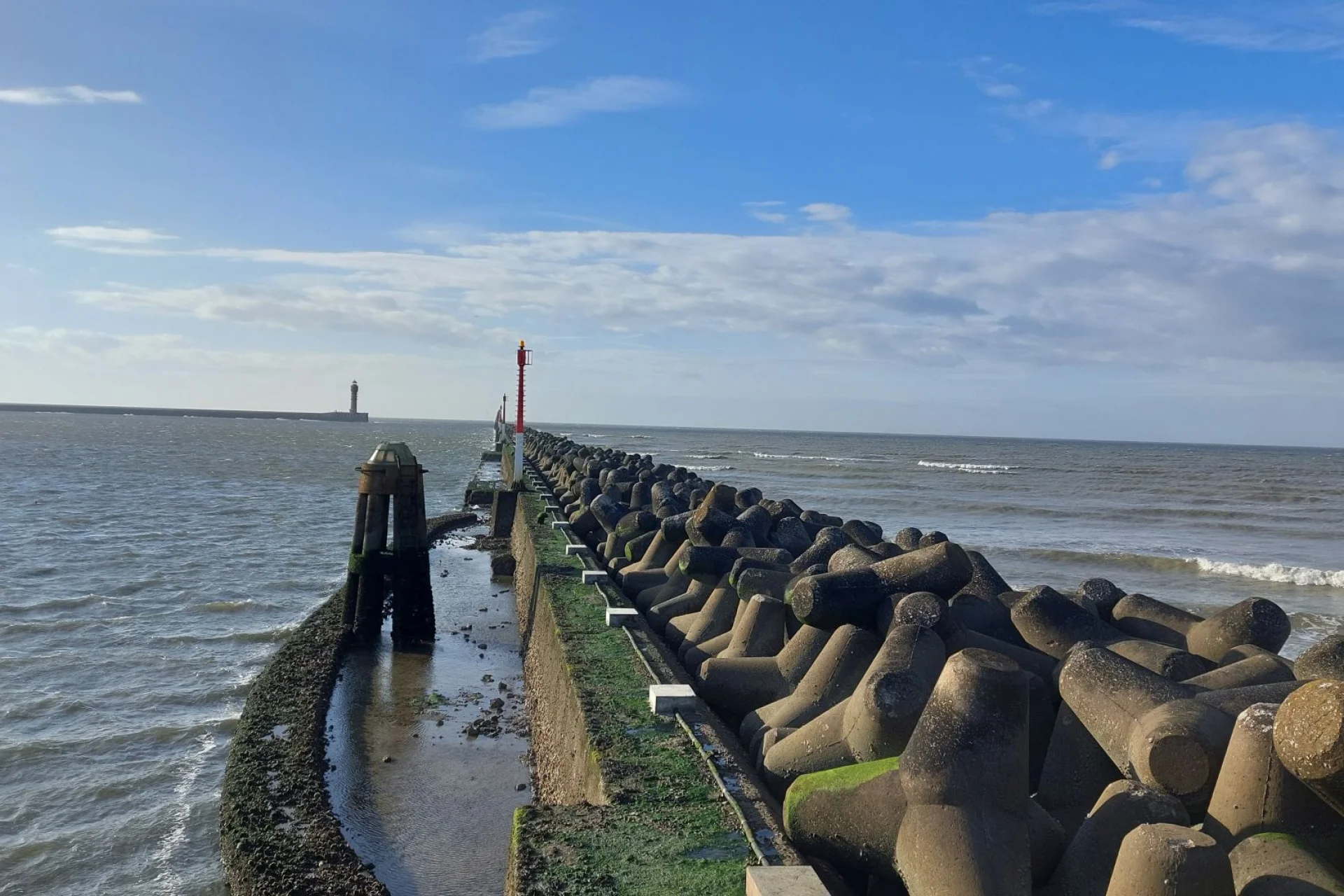
The Dunkirk East Mole, or "Jetée de Malo" as it's known locally, is a formidable concrete and wooden pier stretching into the North Sea from the port city of Dunkirk, France. Constructed primarily in the late 19th and early 20th centuries to protect the harbor and facilitate shipping, its ordinary purpose was irrevocably altered by the cataclysm of World War II. Before 1940, it was merely an infrastructure marvel; post-1940, it became a symbol of desperate hope and an enduring testament to human endurance.
In May 1940, as German forces swept through France, the British Expeditionary Force (BEF) and elements of the French Army found themselves trapped against the sea at Dunkirk. What followed was Operation Dynamo, an evacuation effort of unprecedented scale. The Dunkirk East Mole became the single most crucial embarkation point, a narrow lifeline between survival and capture for hundreds of thousands of Allied soldiers. For nine harrowing days, under relentless enemy fire from the air and artillery, soldiers queued along its length, waiting for rescue. Destroyer after destroyer, trawler, and the legendary "little ships" of Dunkirk ferried men from its jetties, often under unimaginable conditions. This precarious pier, battered and bombed, was the last piece of European soil many touched before reaching the safety of Britain, embodying the fragile hope of an entire army. It was here that the 'Miracle of Dunkirk' truly unfolded.
To stand on the Dunkirk East Mole today is to step onto hallowed ground. The mole itself, though rebuilt and repaired, retains the tangible echoes of those desperate days. As you walk its length, gazing out over the English Channel, it's easy to visualize the scene: the smoke-filled skies, the relentless shelling, the silent queues of exhausted men. The vastness of the sea emphasizes the vulnerability of those trapped, while the sturdy concrete beneath your feet offers a sense of permanence amidst the chaos of memory. Interpretive signs help to contextualize the events, and the nearby Dunkirk 1940 Museum further enriches the experience, displaying artifacts and personal accounts from the evacuation. The memorial plaques near the mole remind visitors of the immense sacrifice and the extraordinary rescue effort.
A journey to the Dunkirk East Mole is an essential pilgrimage for anyone seeking to understand the true human cost and indomitable spirit of World War II. It's not just about history; it's about bearing witness. Allow time to walk the entire length of the mole, to pause, and to reflect on the events that unfolded here. The atmosphere is solemn, a powerful connection to the past that few places can offer. Combining your visit with the Dunkirk 1940 Museum and other sites in the wider Dunkirk area provides a comprehensive and deeply moving insight into one of the war's most pivotal and emotionally charged episodes. This location serves as a poignant reminder of resilience in the face of overwhelming adversity.
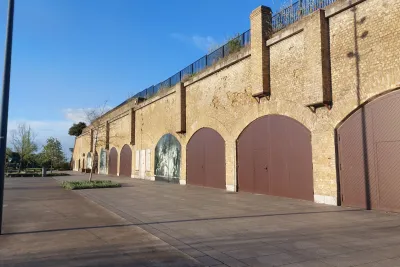
Experience the dramatic history of Operation Dynamo at the Museum Dunkerque 1940. Stand where the WWII evacuation miracle unfolded.
Rating: ★★★★☆
Plan your World War II trip with guides to museums, battlefields, memorials and historic sites worldwide. Discover the best WWII locations for your next tour.