
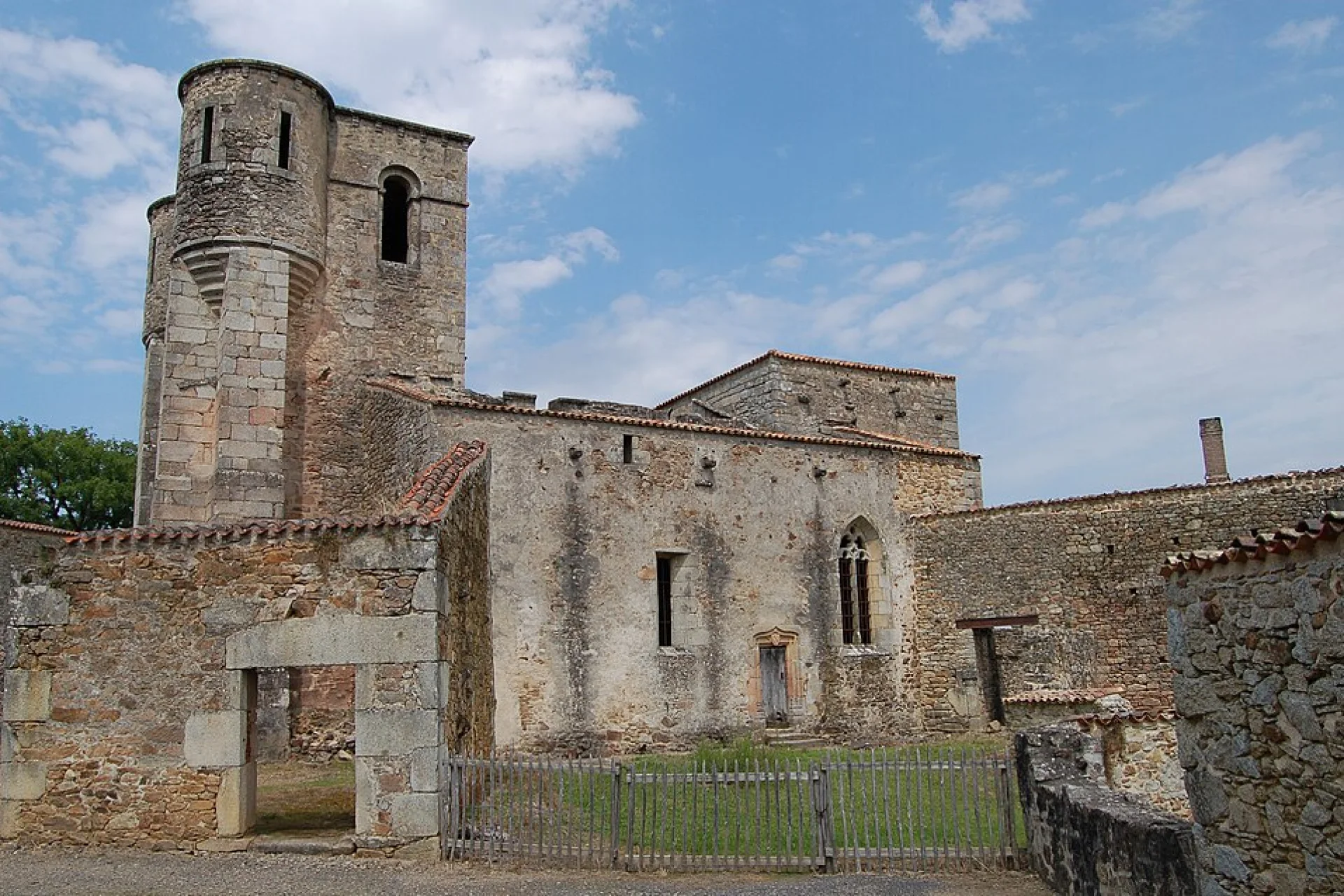
 Photo: Alex Hudghton / Wikimedia Commons / License: CC BY-SA 3.0
Nestled in the tranquil French countryside of the Limousin region, the village of Oradour-sur-Glane once thrived as a peaceful agricultural community. Its rhythm of life, like countless others across occupied France, was irrevocably shattered during the dark days of World War II. For years, the villagers navigated the subtle yet pervasive pressures of German occupation, a reality that would culminate in an event of unspeakable horror, etching Oradour-sur-Glane into the annals of history as a symbol of civilian suffering.
On June 10, 1944, just days after the D-Day landings in Normandy, a detachment of the Waffen-SS "Das Reich" division descended upon Oradour-sur-Glane. In a brutal act of retaliation, purportedly for the kidnapping of an SS officer by the French Resistance, though Oradour itself had little direct connection to such activities, the village's fate was sealed. The SS systematically rounded up all inhabitants. The men were led to barns and garages, machine-gunned, and then burned. Women and children were locked into the village church, which was then set ablaze. Those who tried to escape were shot. In a single, horrific afternoon, 642 innocent men, women, and children were massacred, and the village itself was razed to the ground.
Oradour-sur-Glane stands as one of the most poignant and devastating examples of Nazi atrocities against civilians in Western Europe. It is not merely a historical site; it is a permanent memorial, a "martyr village" preserved exactly as it was left on that terrible day. Its significance lies in its unwavering testimony to the human cost of war, the brutality of occupation, and the deliberate targeting of non-combatants. It serves as a stark reminder of the extreme violence inflicted upon ordinary people, making it a crucial stop for anyone seeking to understand the full scope of World War II's impact beyond the battlefields.
The ruins of Oradour-sur-Glane have been meticulously preserved, left untouched as a silent witness to the massacre. Walking through the abandoned streets, past charred buildings, skeletal cars, and rusty sewing machines, visitors are transported back to that fateful day. The silence is profound, broken only by the wind, amplifying the emotional weight of the tragedy. Adjacent to the ruins, the Centre de la Mémoire d'Oradour-sur-Glane (Memorial Centre) offers a comprehensive exhibition, providing historical context, survivor testimonies, and a poignant tribute to the victims, ensuring their stories are never forgotten.
To stand amidst the ruins of Oradour-sur-Glane is to bear witness to history in its most raw and powerful form. It's an experience that transcends mere historical curiosity, offering a profound moment of reflection on humanity's capacity for both cruelty and resilience. As part of a World War II history journey, it underscores the critical importance of remembrance and the necessity of preventing such atrocities from ever happening again. Visiting Oradour-sur-Glane is a solemn pilgrimage, an essential step in understanding the true, devastating impact of war on civilian life, and a commitment to honoring the memories of those lost.
Plan your World War II trip with guides to museums, battlefields, memorials and historic sites worldwide. Discover the best WWII locations for your next tour.