Adolf Hitler, the dictator of Nazi Germany and architect of the Holocaust, ended his life in the Führerbunker beneath Berlin on April 30, 1945. This pivotal act marked the symbolic collapse of the Third Reich and the culmination of an ideology that brought unprecedented devastation and suffering to the world.
As the Allied and Soviet forces closed in on Germany in the final months of World War II, Adolf Hitler retreated to the Führerbunker, a subterranean complex beneath the Reich Chancellery in Berlin, in January 1945. From this heavily fortified command post, he continued to issue increasingly delusional orders to non-existent armies, clinging to a fervent belief in a miraculous turn of events. Surrounded by a dwindling circle of loyalists, Hitler's grip on reality fractured amidst the constant shelling of Berlin.
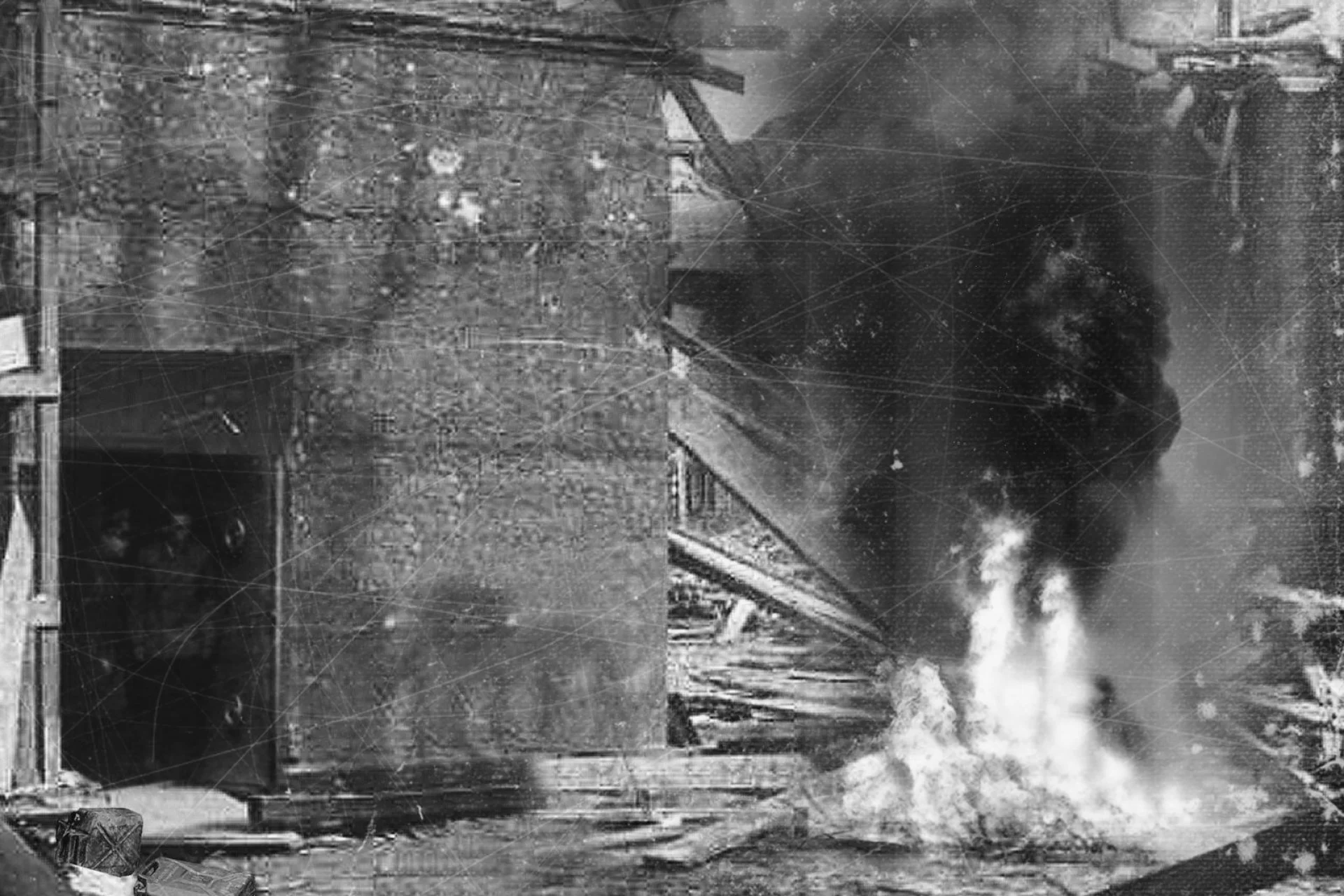
His final weeks were a maelstrom of rage, despair, and an unwavering commitment to a scorched-earth policy, condemning countless German civilians and soldiers to a futile resistance. On April 29, just hours before his death, he married Eva Braun in a civil ceremony within the bunker. He dictated his last will and political testament, expelling Hermann Göring and Heinrich Himmler from the party for attempting to negotiate surrender, and appointing Admiral Karl Dönitz as his successor. With the Soviets mere blocks away, Hitler and Braun committed suicide on the afternoon of April 30, 1945. Hitler died by a self-inflicted gunshot to the head, while Braun ingested cyanide. Their bodies, in accordance with Hitler's instructions, were carried outside into the Chancellery garden, doused in petrol, and set alight by his staff, an attempt to prevent them from falling into enemy hands. This final, desperate act marked the end of the man whose ideology had plunged the world into an unimaginable nightmare.
Adolf Hitler's suicide in the Führerbunker symbolized the definitive end of Nazi Germany and the defeat of its abhorrent ideology. While it brought a measure of closure to a war-weary world, it also left a legacy of immense suffering, with an estimated 70-85 million people having died as a result of the conflict and the Holocaust. The immediate aftermath saw widespread efforts to erase symbols of Nazism and ensure that such atrocities could never happen again.
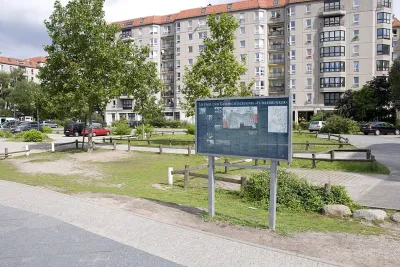
The Führerbunker itself was largely destroyed after the war by the Soviets and later by the East German government to prevent it from becoming a pilgrimage site for neo-Nazis. Today, the area is largely covered by a parking lot and residential buildings, with a subtle information panel installed in 2006 to mark the historical significance of the location, acknowledging the bunker's former presence without glorifying it. This understated approach underscores the sensitive nature of remembering such a dark chapter in history, ensuring that the focus remains on the victims and the lessons learned from the horrors of the Nazi regime, rather than on the perpetrator.
Plan your World War II trip with guides to museums, battlefields, memorials and historic sites worldwide. Discover the best WWII locations for your next tour.