
Deep in the Bavarian Alps, amidst breathtaking natural beauty, lies Obersalzberg – a name forever etched into the darkest chapters of the 20th century. Here stood the Berghof, Adolf Hitler's infamous mountain residence. For those seeking to understand the origins and trajectory of World War II, a visit to Obersalzberg is not merely a trip; it is a profound journey into the heart of history, inviting contemplation and solemn reflection.
Purchased and expanded by Hitler in the 1930s, the Berghof transformed from a modest holiday home into a lavish complex, becoming his secondary seat of power outside Berlin. From this seemingly idyllic setting, surrounded by panoramic views, Hitler hosted dignitaries, planned military campaigns, and issued directives that would unleash unprecedented destruction upon the world. It was a place where the illusion of peace and tranquility masked a chilling reality of authoritarian rule and genocidal intent.
The Berghof witnessed numerous pivotal meetings and decisions that shaped the course of World War II. Foreign statesmen like British Prime Minister Neville Chamberlain were received here, often unknowingly becoming part of Nazi propaganda. Plans for the invasion of Czechoslovakia, the annexation of Austria, and even aspects of the Holocaust were conceived or discussed within these walls. Key figures of the Nazi regime, including Himmler, Göring, and Bormann, were regular visitors, solidifying the Berghof's role as a crucial nexus of Nazi power and conspiracy. Though the building itself no longer stands, the weight of these events permeates the very ground.
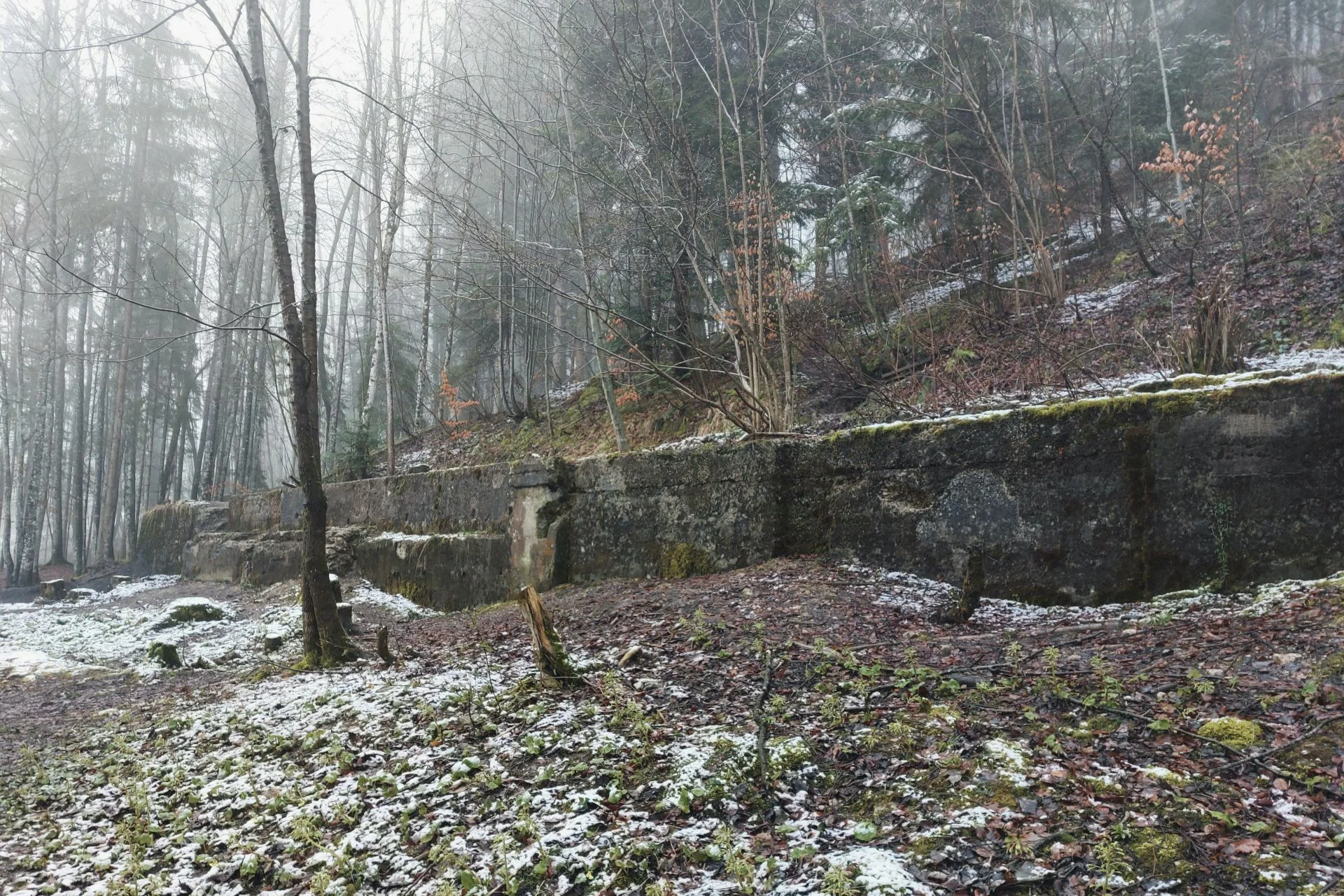
Today, the physical remnants of the Berghof are minimal. The building was heavily damaged by Allied bombing in April 1945 and subsequently destroyed by the Bavarian government to prevent it from becoming a neo-Nazi shrine. Visitors can explore the Obersalzberg Documentation Center, a modern museum providing extensive historical information, archival footage, and sobering exhibits detailing the site's history and the broader context of Nazi atrocities. The Documentation Center also offers access to a network of bunkers and tunnels built beneath the complex, offering a palpable sense of the hidden infrastructure of the regime. Walking the grounds, one can still discern the outlines of former structures and pathways, providing a quiet, contemplative space.
Visiting Obersalzberg and the Berghof site is an essential experience for anyone exploring World War II history. It offers a unique and chilling perspective on the private and public life of Hitler and the workings of the Nazi regime from its very core. It is a powerful reminder of how absolute power can corrupt and how easily evil can take root in seemingly beautiful places. Standing here, one feels the undeniable importance of remembrance, ensuring that such a dark chapter in human history is never forgotten, and its lessons are forever heeded. It is a journey of understanding, a commitment to peace, and a respectful tribute to the millions affected by the war.
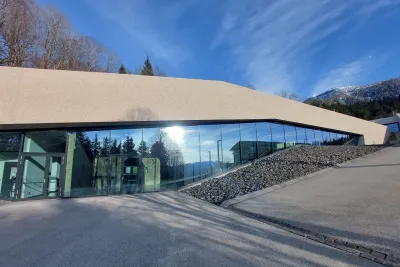
Explore Dokumentation Obersalzberg, a vital WWII site detailing Hitler's private sphere and the Nazi regime's crimes. Essential for understanding the Third Reich.
Rating: ★★★★★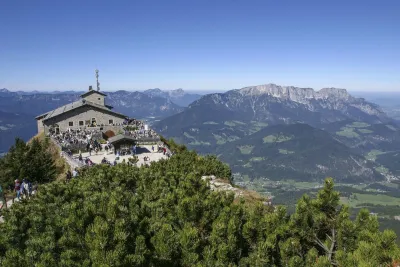
Explore Kehlsteinhaus, the iconic Eagle's Nest, a symbol of Nazi power high in the Bavarian Alps. Discover its WWII significance and breathtaking views.
Rating: ★★★★★
Plan your World War II trip with guides to museums, battlefields, memorials and historic sites worldwide. Discover the best WWII locations for your next tour.