
 Photo: Bybbisch94-Christian Gebhardt / Wikimedia Commons / License: CC BY-SA 4.0
Nestled on Ettersberg Hill near Weimar, Germany, the Buchenwald Memorial & Museum stands as a stark, enduring testament to one of humanity's darkest chapters. This is not merely a site of historical events; it is a place where the echoes of suffering and resilience reverberate, inviting visitors to bear witness to the profound human cost of World War II.
Buchenwald was one of the largest concentration camps established by the Nazi regime on German soil, opening its gates in July 1937. Initially conceived for political opponents of the Nazi state, its inmate population soon expanded to include Jews, Romani people, Sinti, homosexuals, Jehovah's Witnesses, criminals, Soviet prisoners of war, and forced laborers from across Europe. Life in Buchenwald was defined by extreme brutality, starvation, slave labor in local armaments factories, and medical experimentation. Thousands perished from exhaustion, disease, torture, and arbitrary executions.
Throughout World War II, Buchenwald played a critical, horrific role in the Nazi system of terror and extermination. It served as a hub for the systematic dehumanization and exploitation of individuals deemed 'undesirable' by the Third Reich. As the war intensified, so did the camp's population and the severity of its conditions. Over 56,000 people died here before its liberation. On April 11, 1945, as American troops approached, the remaining prisoners organized a self-liberation, seizing control of the camp before the arrival of the U.S. Third Army. The images and testimonies from Buchenwald after its liberation shocked the world, revealing the full extent of Nazi atrocities.
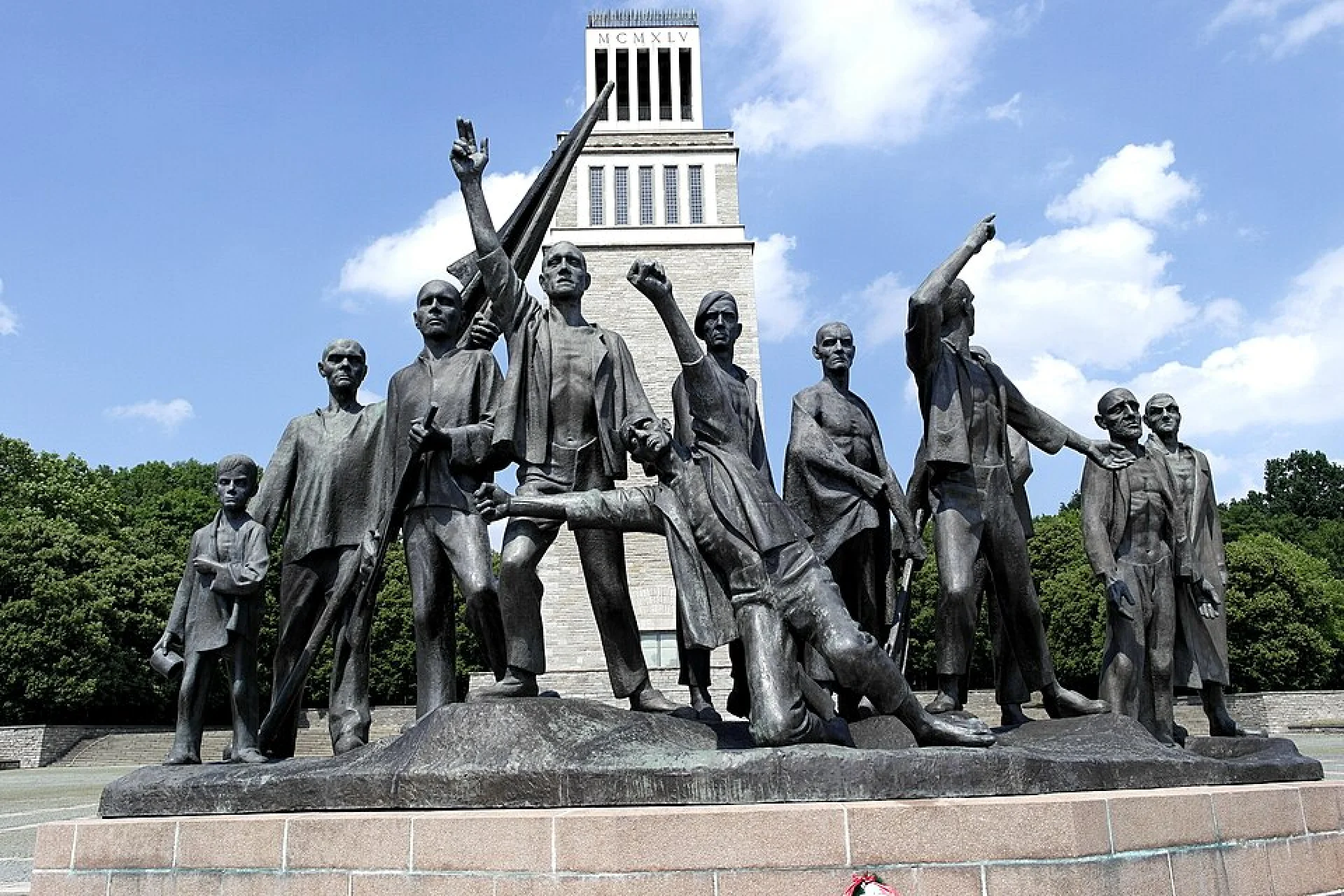
Today, the Buchenwald Memorial & Museum serves as a powerful place of remembrance, education, and warning. Visitors can walk the grounds, seeing the original gatehouse with its infamous inscription "Jedem das Seine" (To Each His Own), the watchtowers, and the crematorium. Exhibitions housed in former camp buildings meticulously document the camp's history, showcasing artifacts, documents, and personal stories of survivors and victims. The memorial includes several poignant monuments and a former railway station, through which countless prisoners arrived. The sheer scale and solemnity of the site provide an unparalleled opportunity for contemplation and learning.
Visiting Buchenwald is an essential, albeit challenging, part of any comprehensive World War II history journey. It offers an irreplaceable direct connection to the past, moving beyond textbooks to confront the realities of the Holocaust and Nazi crimes. Standing on these grounds fosters a deeper understanding of the fragility of human rights, the dangers of totalitarianism, and the imperative to remember. It's a journey not just through history, but a profound reflection on human dignity and resilience, ensuring that the lessons of Buchenwald are never forgotten.
Plan your World War II trip with guides to museums, battlefields, memorials and historic sites worldwide. Discover the best WWII locations for your next tour.