
 Photo: Lowgoz / Wikimedia Commons / License: CC BY-SA 3.0
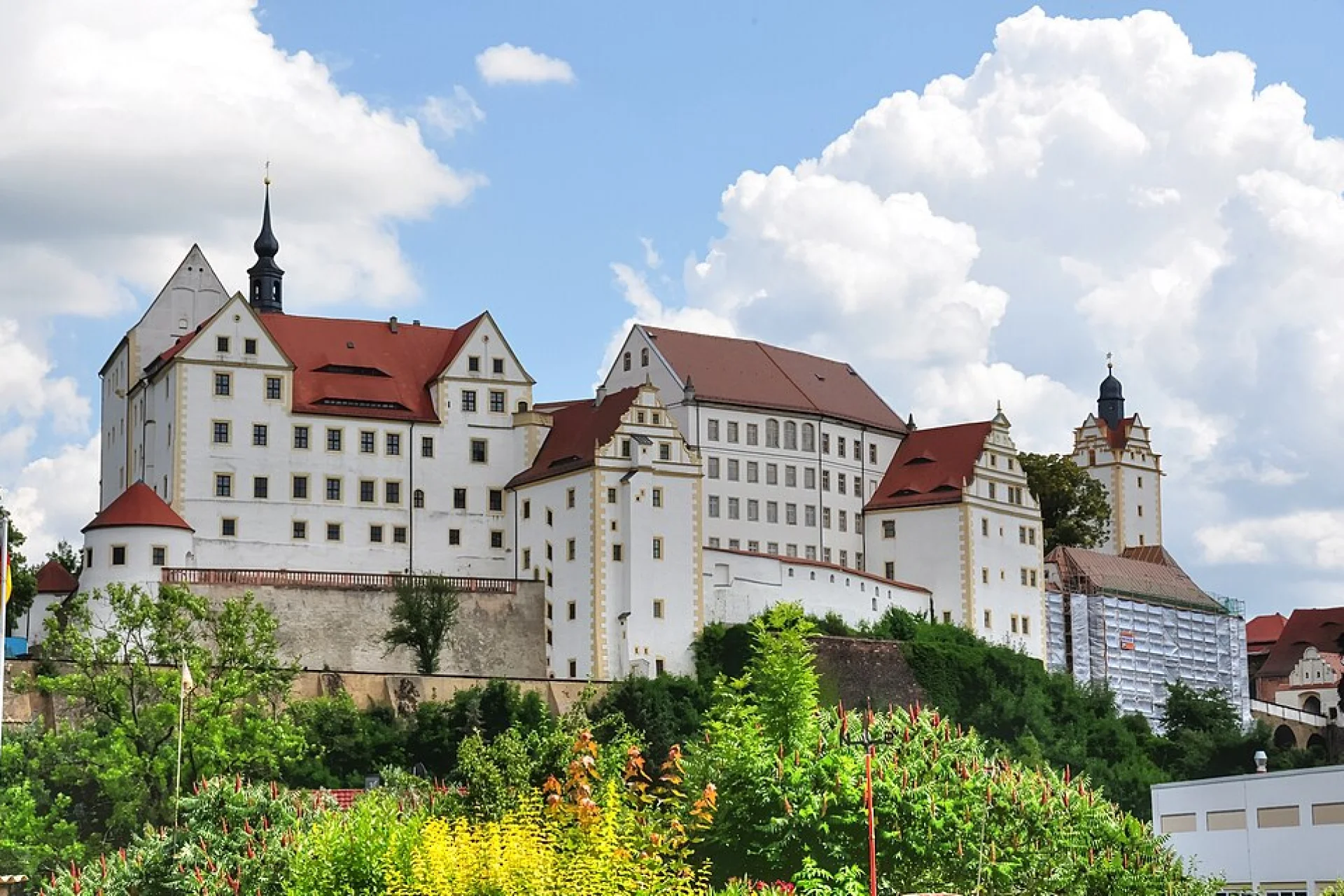
Perched majestically on a craggy hilltop overlooking the Zwickau Mulde river in Saxony, Germany, Colditz Castle stands as a silent witness to centuries of history. While its medieval origins speak of dukes and royalty, it is its role during the Second World War that forever etched Colditz into the annals of human endeavour and resilience. For many, the name Colditz conjures images of daring escapes, ingenious plots, and an unyielding spirit in the face of captivity.
Dating back to the 11th century, Colditz Castle has evolved from a formidable fortress into a royal hunting lodge, a workhouse, and even a psychiatric institution over its long history. Its imposing architecture – thick walls, a deep moat, and a commanding position – made it a natural choice when, in 1939, the Nazi regime sought a high-security prisoner-of-war camp. Little did they know, these very features would inspire some of the most determined escape attempts of the war.
Designated Oflag IV-C (Offizierslager IV-C), Colditz Castle became the Reich's maximum-security prison for 'incorrigible' Allied officers – those who had repeatedly attempted escape from other camps. British, French, Dutch, and Polish officers, deemed the most persistent escapers, were brought here, creating a unique community of ingenuity and shared purpose. The German command believed Colditz to be escape-proof, a fortress from which no one could break free. They were wrong.
The castle walls could not contain the human spirit. Prisoners meticulously planned and executed escapes, sometimes over months, displaying extraordinary patience and resourcefulness. From tunnels dug beneath floors, through daring disguises, to the famous Colditz Glider – built in secrecy in an attic – each attempt was a testament to the prisoners' unwavering hope for freedom and their refusal to surrender. While many attempts failed, the constant pressure on their captors and the sheer audacity of some plans became legendary, demonstrating a profound psychological warfare fought within the castle's confines.
Today, Colditz Castle serves as a museum and youth hostel, allowing visitors to step directly into its storied past. Walking through its courtyards and corridors, you can feel the echoes of history. Explore the former cells and communal areas, see the exact locations of famous escape routes, and discover the hidden ingenuity of the prisoners. The museum showcases artifacts, personal stories, and detailed exhibitions that bring the experiences of those confined here vividly to life. A replica of the Colditz Glider is a powerful reminder of the boundless determination of its inhabitants.
A visit to Colditz Castle is more than just a tour; it is a journey into a unique facet of World War II history. It offers a profound insight into the human spirit under extreme duress, the ingenuity born of necessity, and the unwavering hope for freedom. For those tracing the footsteps of history, Colditz is a poignant reminder of the lives lived and challenges overcome. It stands as a place to reflect on the complexities of war, the resilience of individuals, and the enduring power of the human will, inspiring a deeper understanding of this pivotal period in history.
Plan your World War II trip with guides to museums, battlefields, memorials and historic sites worldwide. Discover the best WWII locations for your next tour.