
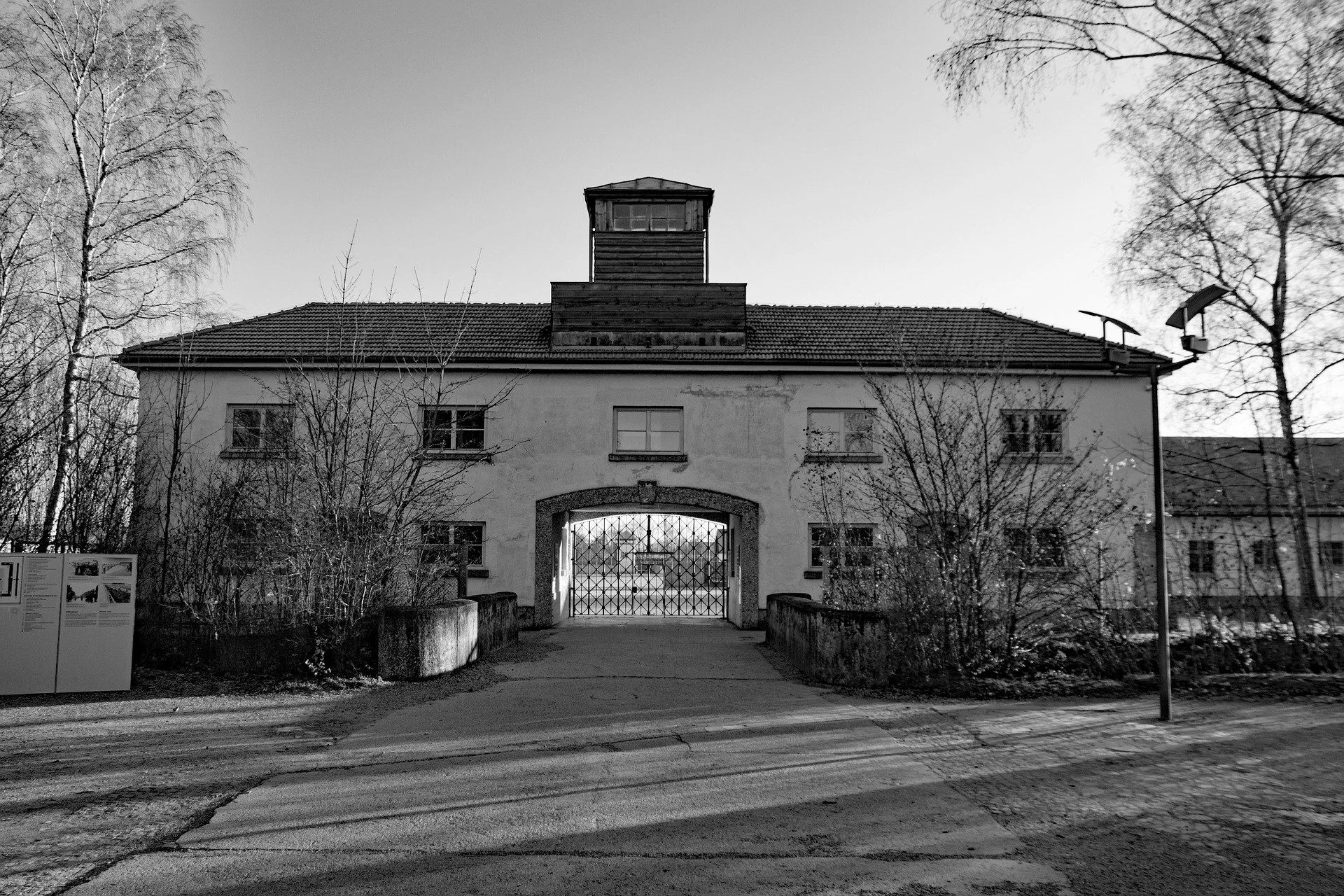
As the camera pans across the stark, grey landscape, a chill permeates the air, even through the screen. This is Dachau, a name etched into the darkest chapters of human history. For visitors to ww2.tours, standing on this very ground offers a profound, visceral connection to the past, a silent vow to remember.
KZ-Gedenkstätte Dachau, located near Munich, Germany, holds the somber distinction of being the first regular concentration camp established by the Nazi regime. Opened on March 22, 1933, less than two months after Hitler became Chancellor, it initially housed political prisoners – communists, social democrats, and other opponents of the regime. Its rapid establishment served as a chilling precursor, a blueprint for the vast network of terror that would soon engulf Europe.
During World War II, Dachau's role expanded dramatically. It became a training ground for SS guards and a model for the entire concentration camp system. Tens of thousands of prisoners from across occupied Europe passed through its gates, including Jews, Roma, Sinti, homosexuals, clergy, Soviet prisoners of war, and countless 'undesirables'. Prisoners endured unimaginable suffering, forced labor, starvation, and brutal medical experiments. The sheer scale of systematic persecution and dehumanization here is almost incomprehensible, yet it underscores the regime's horrific ambition.
By April 1945, as Allied forces closed in, prisoners were forced on death marches. On April 29, 1945, elements of the U.S. 7th Army, including the 42nd "Rainbow" and 45th "Thunderbird" Infantry Divisions, liberated the camp. The sight that greeted them was horrifying, confirming the unspeakable atrocities committed within its walls and exposing the true nature of Nazi barbarity to the world.
Today, the KZ-Gedenkstätte Dachau stands as a powerful memorial and educational center. Visitors can walk through the original camp grounds, see the reconstructed barracks, the grim roll call area, and the former crematorium. The excellent museum exhibition provides a comprehensive, fact-based account of the camp's history, using survivor testimonies, documents, and artifacts to tell the stories of those who suffered here. Numerous memorial sites, including the Catholic, Protestant, and Jewish memorials, offer spaces for quiet contemplation and remembrance. The atmosphere is one of profound solemnity, encouraging deep reflection on human resilience and the fragility of peace.
Visiting Dachau is not merely a historical tour; it is a pilgrimage. To stand within these gates is to bear witness, to honor the victims, and to confront the uncomfortable truths of our past. It is an essential stop on any World War II history journey, providing an unparalleled opportunity to understand the origins and consequences of totalitarianism. By experiencing this site, we commit to remembering the victims and learning from history, ensuring that such atrocities are never repeated. It is a sobering, yet vitally important, experience that stays with you long after you leave.
Plan your World War II trip with guides to museums, battlefields, memorials and historic sites worldwide. Discover the best WWII locations for your next tour.