
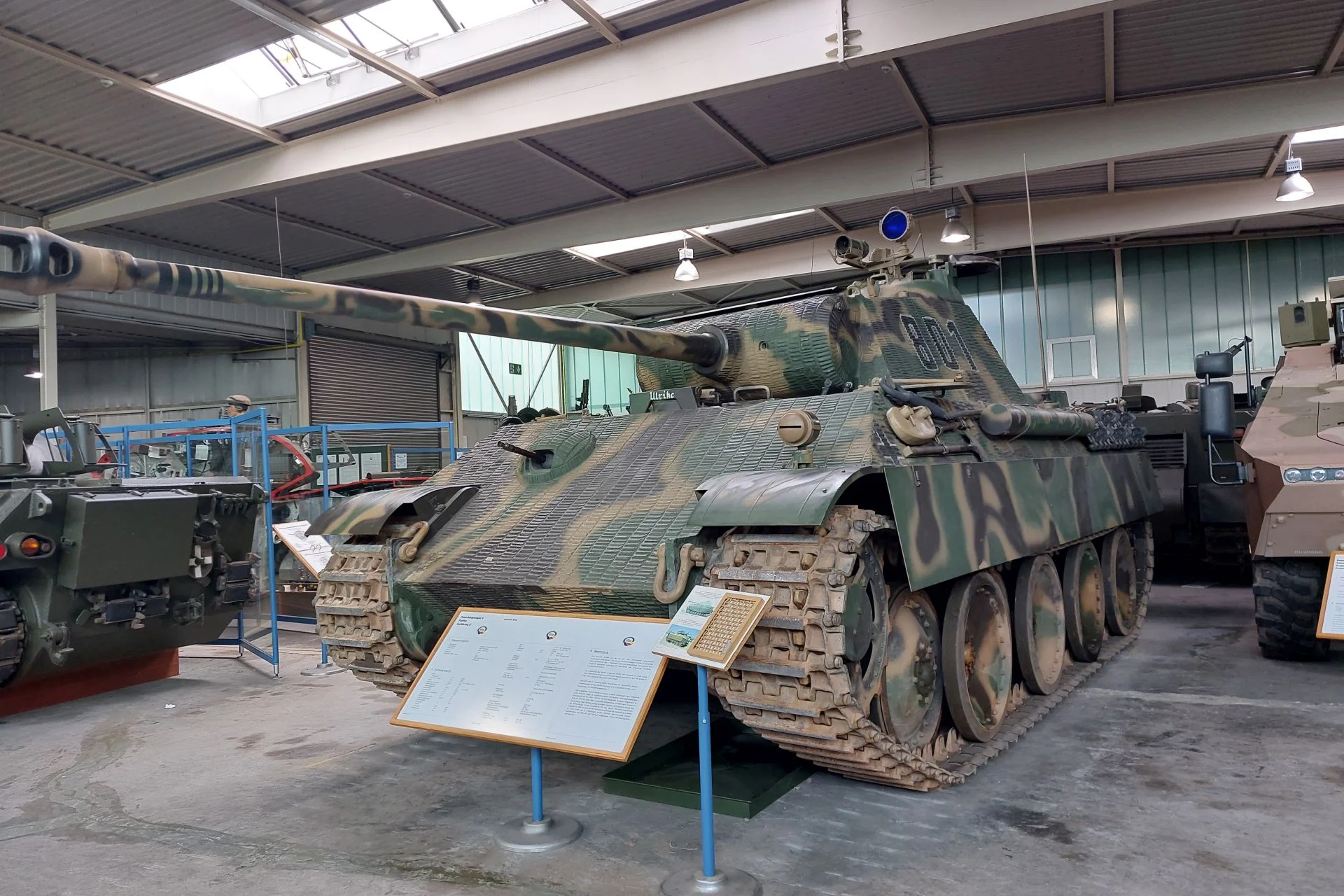
Standing at Mayener Str. 85 in Koblenz, Germany, you find yourself at a nexus of history, where the Rhine and Moselle rivers converge, and centuries of strategic importance echo through time. Amidst this storied city lies a unique institution, the Defense Technical Study Collection (WTS), offering a profound, often overlooked, perspective on World War II. It's a place not of battlefields, but of blueprints, a sanctuary for the machines and scientific efforts that shaped one of humanity's most tumultuous periods.
Koblenz, with its ancient Roman roots and imposing Ehrenbreitstein Fortress, has long been a military stronghold. Its strategic position made it a crucial hub through various conflicts, and its infrastructure bore the scars of many wars. During World War II, Koblenz faced immense destruction from Allied bombing raids, a testament to its significance as a transportation and industrial center within the German war effort. The city itself became a backdrop for the war's devastating reach, and institutions like the WTS now meticulously document the technical and logistical underpinnings of that era.
Founded to preserve and study military technology, the WTS is far more than a simple museum. It functions as a vital archive and exhibition space, housing an unparalleled collection of technical documentation, equipment, and prototypes, with a significant emphasis on World War II. Here, you can trace the evolution of German defense technology, from infantry weapons and artillery to advanced armored vehicles, aircraft components, and communication systems. It's a journey into the minds of engineers, the precision of manufacturing, and the sheer scale of industrial mobilization demanded by total war.
The collection reveals the relentless pursuit of technological superiority and the constant innovation—and desperation—that defined the conflict. It offers a tangible connection to the material realities faced by soldiers on all sides, showcasing the tools they wielded and confronted. Though no specific battles were fought on its grounds, the WTS speaks volumes about the technical war waged across Europe, giving context to the equipment used by units like the Wehrmacht, Luftwaffe, and Kriegsmarine.
Today, the Defense Technical Study Collection is open to the public, offering an immersive educational experience. Walking through its halls, you encounter meticulously preserved artifacts, from rare engine parts and detailed models to complete historical vehicles and expansive technical drawings. It’s an opportunity to examine the complexity of tank designs, the intricacies of communication devices, and the firepower of artillery pieces up close. This is a place for quiet contemplation, where the stark reality of engineering prowess meets the human cost of conflict. Visitors gain a deeper appreciation for the research, development, and logistics that underpinned military operations and influenced the course of the war.
For anyone embarking on a World War II history journey, the WTS in Koblenz is an essential stop. It offers a unique and respectful lens through which to understand the war, shifting focus from the dramatic front lines to the equally critical, often unseen, technical advancements that shaped outcomes and experiences. It is a testament to human ingenuity applied to the destructive forces of war, urging us to remember the immense sacrifices and the profound impact of these technologies on millions of lives. Visiting the WTS provides a crucial, nuanced layer to the broader narrative of World War II, inspiring a deeper historical journey that honors understanding and remembrance.
Plan your World War II trip with guides to museums, battlefields, memorials and historic sites worldwide. Discover the best WWII locations for your next tour.