
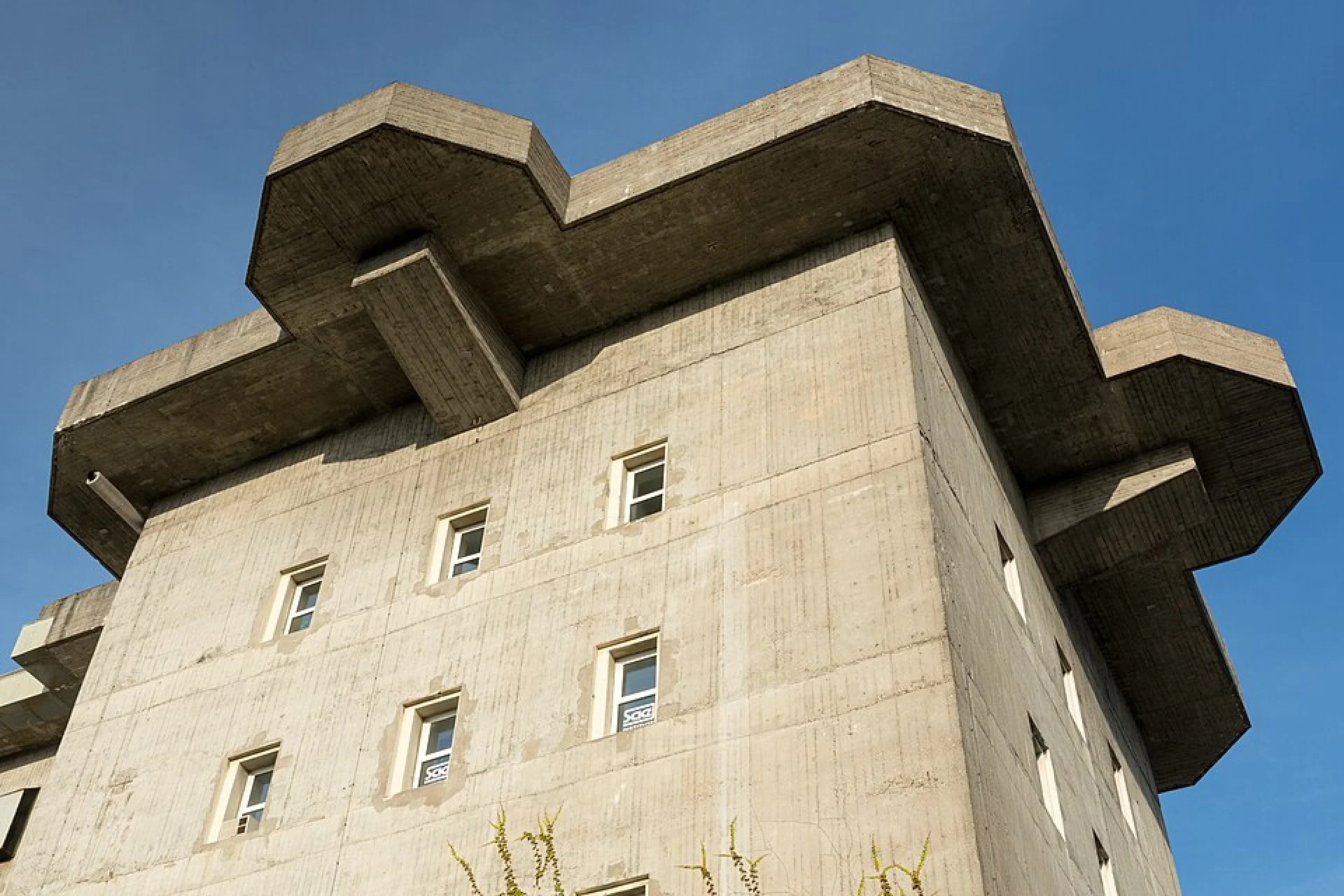
 Photo: Ajepbah / Wikimedia Commons / License: CC BY-SA 3.0
Amidst the urgent need for defense during World War II, Germany embarked on a colossal engineering feat: the construction of immense Flak Towers (Flaktürme). These colossal, concrete fortresses were designed to protect key cities from Allied air raids. The Flakbunker Heiligengeistfeld, located in Hamburg, is one of two surviving examples in the city. Its construction, a testament to wartime ingenuity and desperation, began in 1942 and was completed by 1944. Rising like a brutalist monument from the urban landscape, it was designated a G-Turm, or Gefechtsturm (Combat Tower), housing formidable anti-aircraft weaponry, and stood as a formidable symbol of defiance against the approaching storm.
For the people of Hamburg, the Flakbunker Heiligengeistfeld was a lifeline. Its primary role was to unleash a torrent of anti-aircraft fire from its powerful 12.8 cm Flak 40 cannons, aimed at repelling the relentless Allied bomber formations. However, its most profound significance lay in its dual function as a massive air-raid shelter. With walls up to 3.5 meters thick, it offered refuge to up to 30,000 civilians during the most intense bombing campaigns, particularly during Operation Gomorrah in July 1943. While outside, firestorms raged and the city burned, within its concrete shell, thousands huddled, experiencing the terror and resilience of wartime civilian life. The bunker also served as a command center and a vital emergency hospital, making it a pivotal hub for both military defense and civilian protection.
Today, the Flakbunker Heiligengeistfeld remains an imposing and unforgettable presence in Hamburg. Deemed too massive and costly to demolish after the war, it has found a unique second life. Rather than being a mere ruin, it has been repurposed, now housing a vibrant ecosystem of cultural spaces, including music clubs, a climbing gym, and various businesses. While public access to all internal areas might be limited due to its contemporary uses, its sheer scale and exterior continue to evoke a powerful sense of history. Many visitors seek out opportunities to explore its public areas, and for those who manage to ascend to its rooftop, the panoramic views of modern Hamburg offer a poignant juxtaposition—a dynamic, rebuilt city thriving beneath the shadow of its formidable wartime past. It's a living monument to adaptation and memory.
Visiting Flakbunker Heiligengeistfeld is an essential journey for anyone seeking to understand the human experience of World War II. Standing before its monumental walls at Feldstraße 66/5. Stock, 20359 Hamburg, you can almost feel the echoes of history – the roar of the guns, the distant thud of bombs, and the silent prayers of those seeking shelter. It offers a tangible, visceral connection to the defensive struggles against strategic bombing and the desperate resilience of civilians. This isn't just a structure; it's a silent witness to unimaginable destruction and extraordinary endurance, inspiring reflection on the consequences of conflict and the remarkable spirit of a city that rebuilt itself. A visit here is more than a historical tour; it's an opportunity to bear witness and to remember.
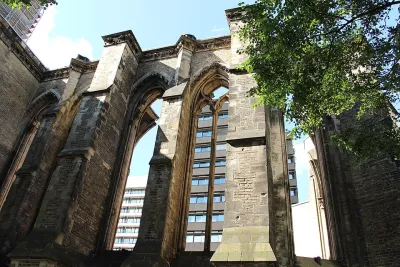
Explore the St. Nikolai Memorial in Hamburg, a powerful testament to WWII's urban devastation. Discover the history of Operation Gomorrah and reflect on its profound impact.
Rating: ★★★★☆
Plan your World War II trip with guides to museums, battlefields, memorials and historic sites worldwide. Discover the best WWII locations for your next tour.