
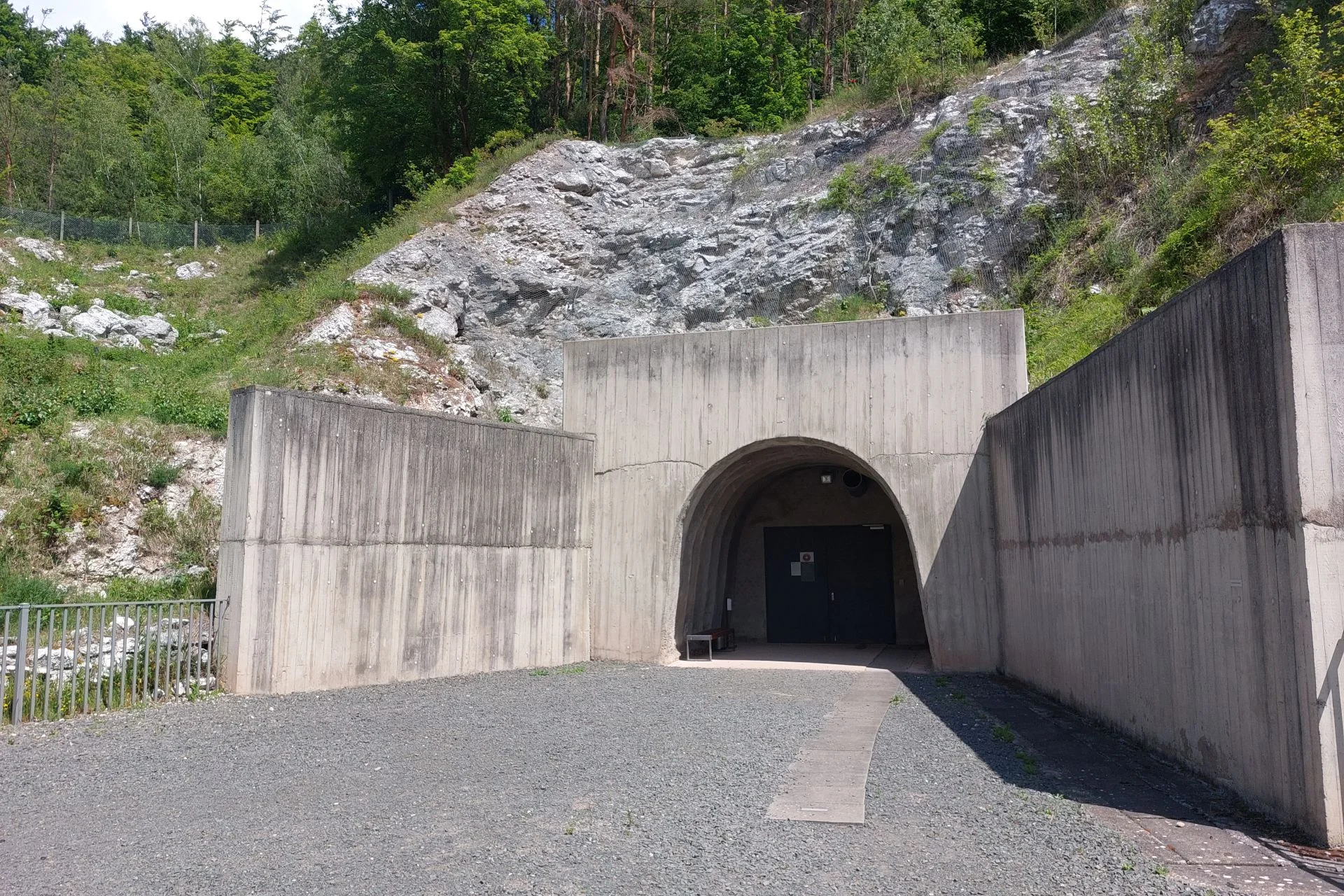
Beneath the serene Harz Mountains of Germany lies a site of profound historical significance: Gedenkstätte Mittelbau-Dora. Established in 1943, initially as a subcamp of Buchenwald, it rapidly grew into an independent concentration camp. Its primary, chilling purpose was to provide slave labor for the mass production of the formidable V-2 ballistic missiles and later, the V-1 flying bombs, crucial components of Nazi Germany's secret weapon program. Thousands of prisoners, primarily from Eastern Europe, France, and other occupied territories, were forcibly transferred here, destined to work under unimaginable conditions.
The heart of Mittelbau-Dora's operation was the vast underground tunnel system within the Kohnstein mountain. Here, in a cold, damp, and dark labyrinth, prisoners toiled without rest, excavating, building, and assembling the V-weapons. The conditions were horrific; starvation, disease, and brutal treatment by SS guards and kapos were daily realities. The tunnels, originally intended for potash mining, became a subterranean factory of death, where efficiency and production targets superseded all human decency. It is estimated that over 20,000 prisoners perished at Mittelbau-Dora and its satellite camps, an appalling testament to the regime's barbarity.
As Allied forces advanced in early 1945, the camp was brutally evacuated, with many prisoners forced on death marches. American troops of the 3rd Armored Division and the 104th Infantry Division liberated Mittelbau-Dora on April 11, 1945, uncovering the full horror of the underground factory and the surviving prisoners. Today, the Gedenkstätte Mittelbau-Dora stands as a powerful memorial, inviting visitors to confront the dark chapters of human history.
Standing at Mittelbau-Dora is a profoundly moving experience. The memorial site preserves significant parts of the former camp, including the remaining underground tunnels, which are now accessible to the public, offering a chilling glimpse into the prisoners' working environment. The former crematorium and the foundations of the barracks serve as stark reminders of the camp's grim reality. An extensive museum exhibition provides detailed historical context, personal testimonies, and artifacts, documenting the camp's history from its inception to its liberation, including the intricate details of the V-weapons program and the lives of those imprisoned here. Visitors can also walk the grounds, reflect at the various memorials, and gain a deeper understanding of the immense suffering endured.
Visiting Mittelbau-Dora is an essential journey for anyone seeking to understand the full scope and human cost of World War II. It's a place not just of learning, but of solemn remembrance, where the echoes of history resonate powerfully. As part of a WWII historical tour, it offers an indispensable perspective on the complex interplay of technological warfare and human exploitation. This site inspires deep reflection, ensuring that the victims are never forgotten and that the lessons of history endure.
Plan your World War II trip with guides to museums, battlefields, memorials and historic sites worldwide. Discover the best WWII locations for your next tour.