
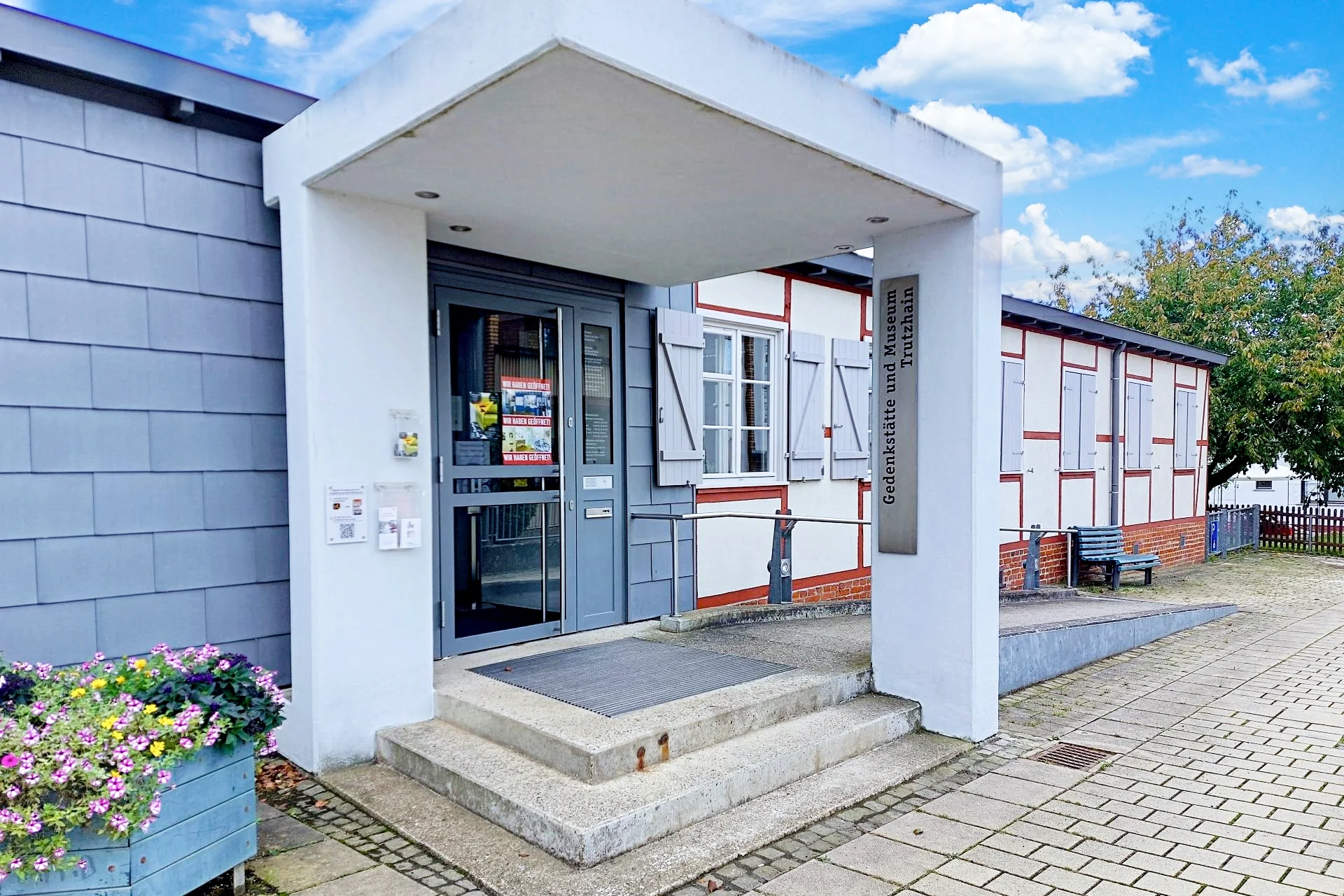
The quiet village of Trutzhain, nestled in the heart of Hesse, Germany, holds a profound and unique story from the pages of World War II and its aftermath. The Gedenkstätte und Museum Trutzhain stands as a solemn testament to human suffering, resilience, and the remarkable transformation of a place once defined by captivity into a vibrant new community.
Before it became Trutzhain, this site was known as Stalag IX A Ziegenhain, one of the largest prisoner-of-war (POW) camps in Nazi Germany. Established in 1939, it quickly grew to house tens of thousands of Allied soldiers from various nations – French, Belgian, British, American, Italian, and a significant number of Soviet prisoners. The conditions within the camp were harsh, particularly for Soviet POWs, who faced unimaginable deprivations, forced labor, and a devastatingly high mortality rate. The camp served as a central hub for distributing prisoners to various forced labor detachments across the region, contributing to the Nazi war economy.
With the liberation of the camp by American forces in March 1945, a new chapter began. Instead of being dismantled, the site transformed into one of the largest Displaced Persons (DP) camps in the American occupation zone. It became a temporary home for tens of thousands of people uprooted by the war—survivors of concentration camps, forced laborers, and refugees from Eastern Europe. For many, this camp offered the first glimmer of hope and security after years of persecution and displacement. From this DP camp, a new community gradually emerged, as former residents decided to settle permanently, founding the municipality of Trutzhain in 1951.
Today, the museum carefully preserves and presents the poignant experiences of those who lived within these fences. Through original documents, personal testimonies, photographs, and artifacts, visitors are confronted with the stark realities of wartime captivity and the immense challenges of rebuilding lives after the catastrophe. The exhibitions sensitively highlight the diverse fates—from the POWs enduring hunger and forced labor to the displaced persons striving for a new beginning, often yearning to emigrate to new homelands. The museum’s dedicated work ensures that the individual human stories behind the statistics are never forgotten.
A visit to the Gedenkstätte und Museum Trutzhain offers a deeply immersive and reflective experience. You can explore original barracks, which once housed prisoners and then displaced persons, now carefully restored and housing compelling exhibitions. The outdoor memorial grounds, including remnants of the camp infrastructure and commemorative plaques, provide a powerful sense of scale and history. Guided tours offer further insights into the complex history of the site, from its grim wartime function to its inspiring post-war rebirth as a community rooted in resilience.
The Gedenkstätte und Museum Trutzhain is a vital stop on any World War II history journey. It not only sheds light on the often-overlooked aspects of the POW experience and the colossal humanitarian challenges of the post-war era but also powerfully illustrates humanity’s enduring capacity for hope and renewal. Standing on these grounds, you connect directly with the profound human experiences that shaped a pivotal moment in history, gaining a deeper understanding of the war’s far-reaching impact and the legacies that continue to resonate today. This site is a powerful reminder of the importance of peace and human dignity.
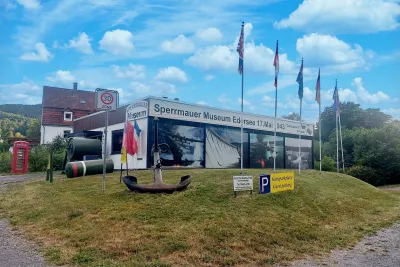
Explore the Sperrmauer Museum and the history of the Edersee Dam, a critical target during Operation Chastise in WWII. Discover its impact and legacy.
Rating: ★★★☆☆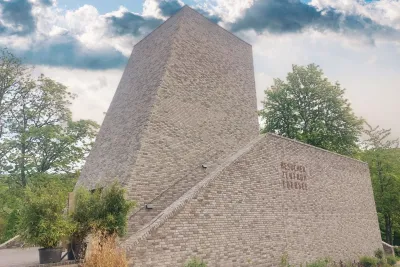
Explore the Edersee Visitor Center, a pivotal site targeted during the iconic Dam Busters raid of WWII. Discover its history, impact, and what to experience today.
Rating: ★★★☆☆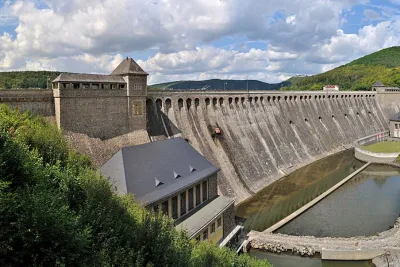
Visit the Eder Dam, a key target of the Dambusters Raid, and immerse yourself in its WWII history. Discover the strategic importance and engineering marvel in Germany.
Rating: ★★★★☆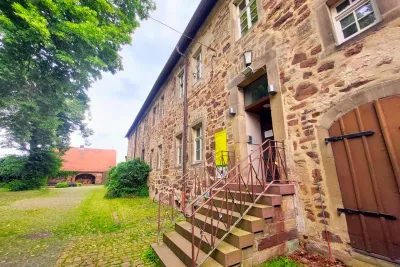
Visit Breitenau Concentration Camp Memorial in Guxhagen-Breitenau, an early Nazi site of terror and forced labor. A crucial part of your WW2 historical journey.
Rating: ★★★★☆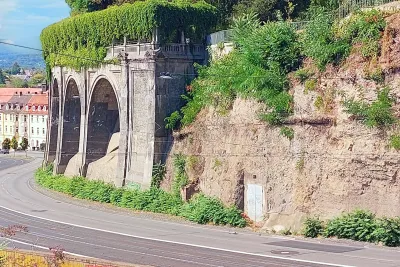
Explore the Weinbergbunker in Kassel, a key air-raid shelter for civilians during WWII. Understand the human experience of survival under relentless bombing.
Rating: ★★★★☆
Plan your World War II trip with guides to museums, battlefields, memorials and historic sites worldwide. Discover the best WWII locations for your next tour.