
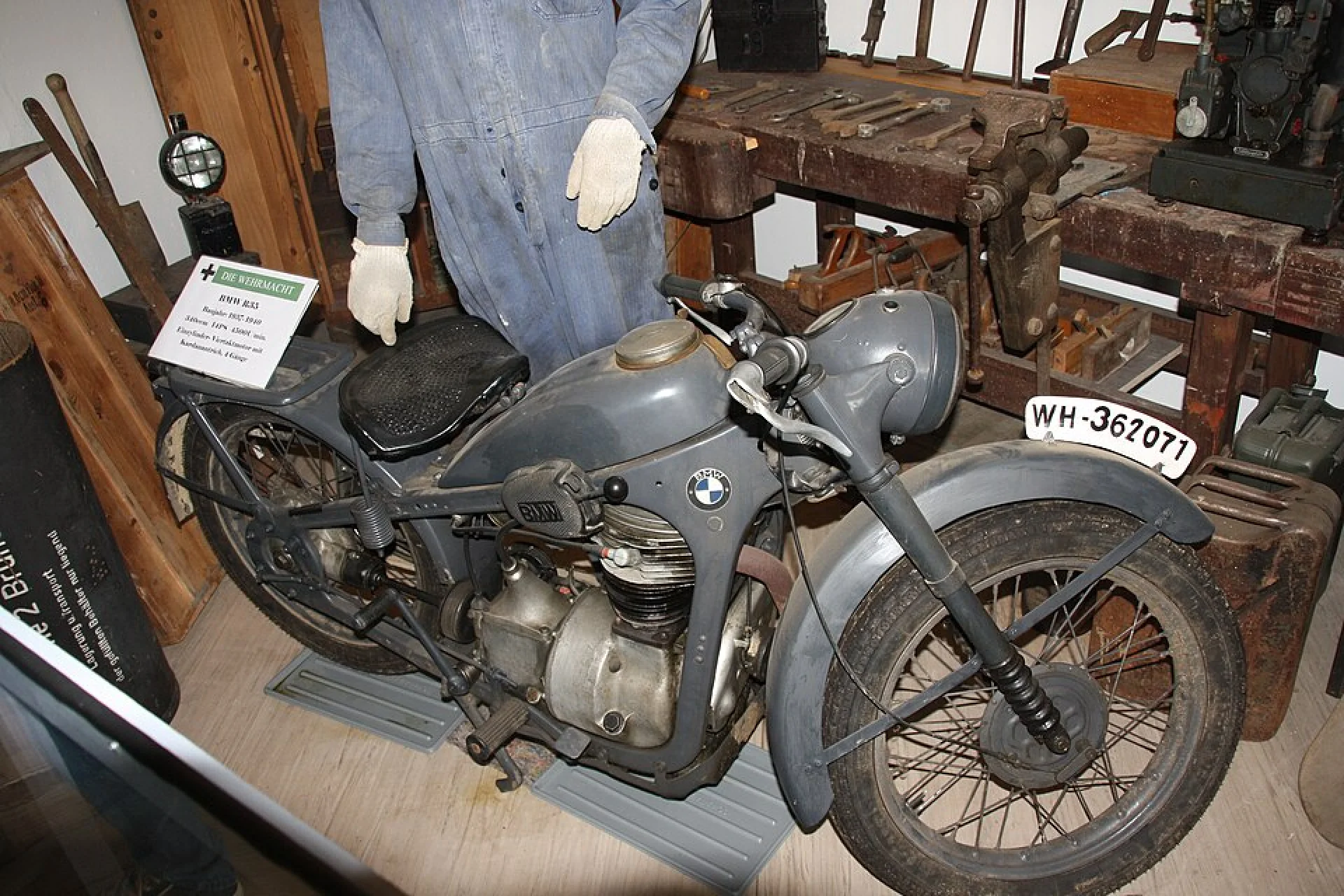
 Photo: Papa1234 / Wikimedia Commons / License: CC BY-SA 3.0
Beneath the quiet canopy of the Hürtgen Forest lies a history etched in blood and sacrifice, a story the Museum Hürtgenwald 1944 and in Peace meticulously preserves. This vital institution stands as a poignant reminder of one of World War II's most brutal and protracted campaigns, inviting visitors to connect with the past on a profoundly human level.
The Hürtgenwald, a dense, dark forest region in western Germany, became an unlikely, yet critical, battlefield in the autumn of 1944. As Allied forces pushed towards Germany's heartland after the D-Day landings, this heavily wooded, rugged terrain, part of the formidable Siegfried Line (Westwall) defenses, posed an unforeseen and deadly obstacle. The objective was to secure critical roads and prevent German forces from reinforcing the front.
The Battle of Hürtgen Forest, often dubbed the "Green Hell" or "Meat Grinder," unfolded from September 1944 to February 1945. It was the longest single battle the U.S. Army ever fought, and one of the most costly. American divisions, including the 1st, 4th, 9th, 28th, 82nd, and 8th Infantry Divisions, faced tenacious German resistance, fighting in freezing rain, snow, and dense fog amidst treacherous ravines and minefields. The close-quarters combat, artillery barrages, and the unforgiving environment resulted in staggering casualties for both sides. The battle drained Allied resources and manpower, significantly delaying their advance and potentially contributing to the success of the subsequent German Ardennes Offensive (Battle of the Bulge). It’s a somber chapter often overshadowed, yet critical for understanding the war’s desperate final phases.
The Museum Hürtgenwald 1944 and in Peace offers a comprehensive and moving experience. Through a carefully curated collection of artifacts—from uniforms and weapons found in the forest to personal letters and photographs—the museum brings the battle to life without glorifying it. Visitors can delve into detailed exhibits illustrating the strategies, daily struggles, and immense suffering endured by soldiers and civilians alike. A significant part of the museum's mission, reflected in its name, is to highlight the transition from conflict to reconciliation and enduring peace, emphasizing the lessons learned from such devastating human experience.
To stand within the Hürtgenwald today, to then enter the museum and confront the echoes of 1944, is to undertake a profound historical journey. The museum, located in Vossenack, serves as an essential gateway to understanding this pivotal yet often overlooked chapter of World War II. It’s a place for remembrance, reflection, and learning, where the human cost of war is plainly visible, inspiring a deeper appreciation for peace. A visit here is not merely a tour; it’s an engagement with history that truly brings the past into the present, making it an indispensable stop for anyone exploring the legacy of the Western Front.
Plan your World War II trip with guides to museums, battlefields, memorials and historic sites worldwide. Discover the best WWII locations for your next tour.