
 Photo: SPBer / Wikipedia / License: CC BY-SA 3.0
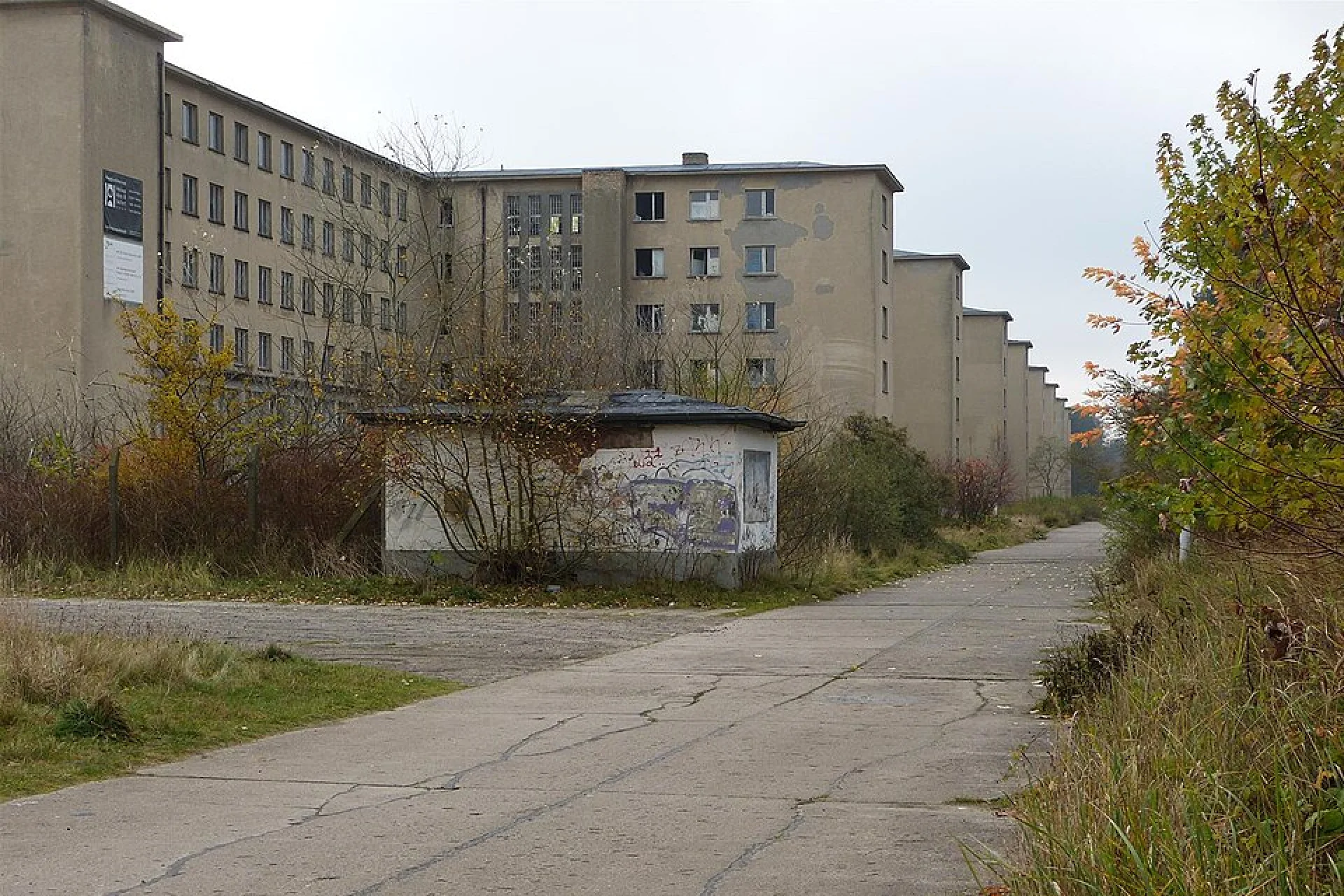
Stand on the shores of the Baltic Sea on Germany's Rügen Island, and the immense, stark structures of Prora loom large, a silent testament to a regime's chilling ambition. This isn't just a building; it's a colossal piece of history, an unfinished monument that compels us to confront the past. Prora, intended as the world's largest holiday resort by the Nazi 'Strength Through Joy' (Kraft durch Freude, KdF) program, quickly became entwined with the darker realities of World War II, shifting from a grandiose vision of leisure to a site bearing the scars of conflict and displacement.
Construction began in 1936, a pet project of Adolf Hitler's regime to provide affordable holidays for German workers, fostering loyalty and propagating Nazi ideology. Stretching an astonishing 4.5 kilometers along the coast, the complex was designed to house 20,000 guests simultaneously, all enjoying direct beach access and a unified architectural style that reflected the totalitarian pursuit of order and conformity. Tens of thousands of workers toiled on this massive undertaking, shaping a landscape that was meant to embody the supposed benefits of National Socialism.
The outbreak of World War II in September 1939 brought an abrupt halt to Prora's construction. Its grand purpose as a holiday resort was instantly abandoned. Instead, the unfinished blocks were repurposed for wartime needs. They served as barracks for police battalions, training grounds for auxiliary personnel, and later, as a temporary shelter for evacuees from bombed German cities. Crucially, parts of Prora also housed forced laborers and concentration camp prisoners from the nearby Mittelbau-Dora camp, who were put to work on local projects or held here under horrific conditions. Prora, therefore, witnessed not the joyful leisure it promised, but the grim necessities and cruelties of war, a stark reminder of the regime's true nature.
Today, Prora offers a unique and profound historical journey. While some sections have been renovated into modern apartments and hotels, much of the original, imposing architecture remains, allowing visitors to grasp the sheer scale of the original project. The Documenta Center Prora and other museums housed within the complex provide insightful exhibitions detailing its construction, its role during World War II, and its subsequent uses during the Cold War. Walking through these vast halls, one can feel the weight of history, contemplating the unfulfilled dreams of a regime and the human experiences that unfolded within its walls. It's a place for quiet reflection, offering a tangible connection to a pivotal era.
Visiting Prora is an essential part of understanding the complex tapestry of World War II history. Located on the beautiful island of Rügen, it offers a contrasting backdrop to its solemn past. By exploring Prora, you stand where history was paused, repurposed, and ultimately redefined by conflict. It's a powerful journey into the architectural legacy of a totalitarian state and a somber reminder of the human cost of ideologies gone awry. This historic building stands as a testament to memory, urging us to learn from the past while respecting the myriad lives affected by its extraordinary story.
Plan your World War II trip with guides to museums, battlefields, memorials and historic sites worldwide. Discover the best WWII locations for your next tour.