
As the brutal Eastern Front of World War II entered its final, most devastating phase in spring 1945, the Soviet Red Army stood poised at the gates of Berlin. After years of relentless fighting and immense sacrifices, the ultimate prize—the heart of Nazi Germany—was within grasp. Yet, one of the last and most formidable natural barriers remained: the Seelow Heights. This strategically vital ridge, overlooking the Oder River floodplains, became the stage for one of the war's most costly and desperate engagements.
The Battle of Seelow Heights (April 16-19, 1945) was not merely another skirmish; it was the final, brutal gateway to Berlin. Here, Marshal Georgy Zhukov's 1st Belorussian Front, comprising over a million men, thousands of tanks, and immense artillery, faced off against General Gotthard Heinrici's beleaguered Army Group Vistula. Heinrici, a master of defensive warfare, had meticulously prepared his positions, creating a deep, layered defense that capitalized on the terrain. For four days, the Heights became a maelstrom of fire and steel. Soviet forces paid a heavy price in blood to break through the German lines, suffering horrific casualties against a determined, though ultimately doomed, defense. The victory at Seelow Heights cleared the path for the final assault on the German capital, marking a decisive moment in the war's end.
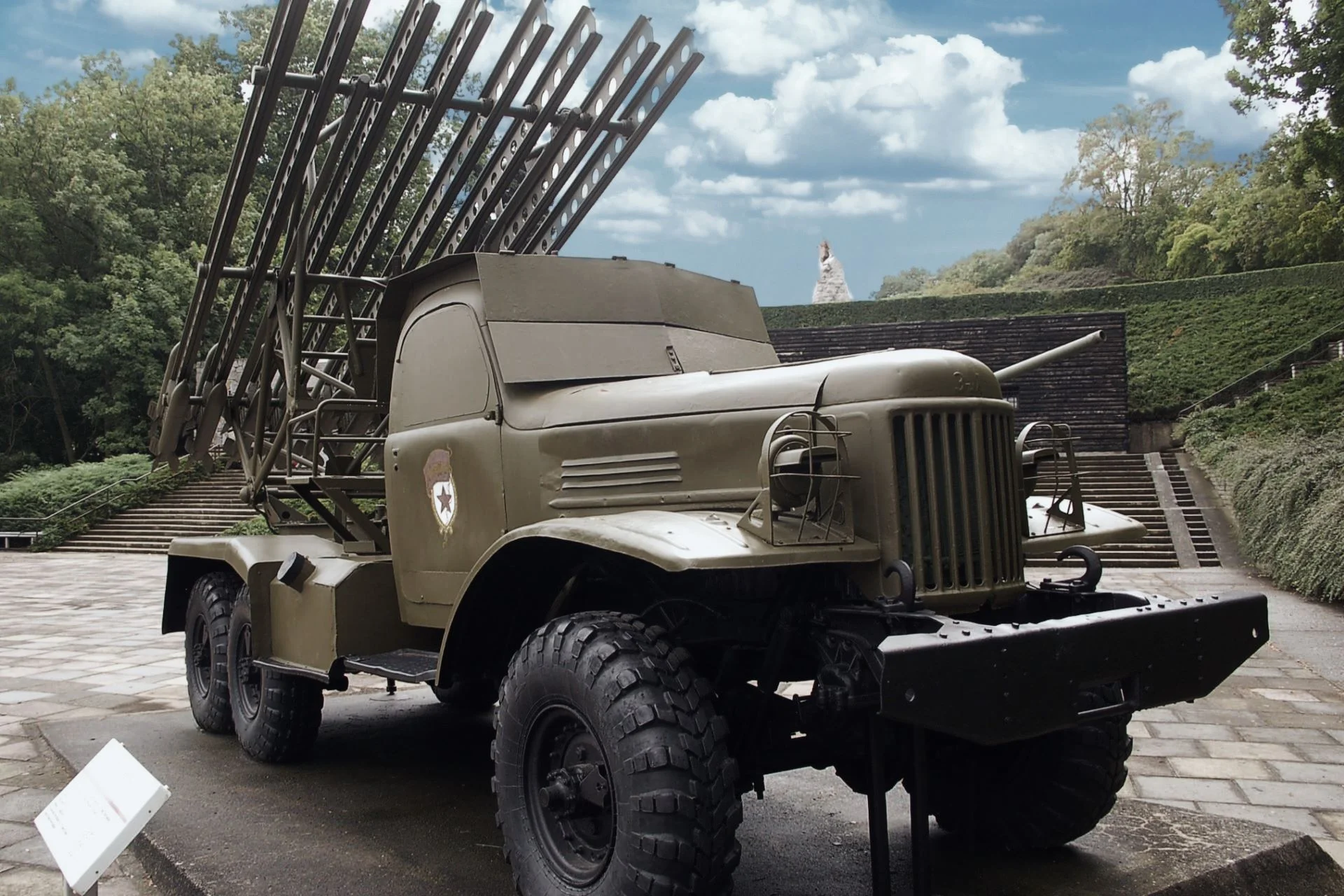
Today, the Gedenkstätte und Museum Seelower Höhen stands as a solemn memorial and a vital educational institution. The museum offers a meticulously curated collection of artifacts, documents, maps, and photographs that bring the scale and intensity of the battle to life. Through compelling exhibits, visitors gain profound insights into the strategies, human experiences, and devastating consequences of this pivotal engagement, from both Soviet and German perspectives. Outside, the memorial complex features a moving burial ground for fallen Soviet soldiers and an impressive monument. Crucially, from the observation platform, visitors can survey the very landscape where the titanic struggle unfolded, gazing across the Oder floodplains and understanding the defensive advantages the German forces once held.
A visit to Seelow Heights is an essential pilgrimage for anyone seeking to understand the Eastern Front's brutal reality and the final chapter of World War II in Europe. Standing on these hallowed grounds, where so many lives were sacrificed, offers a powerful, tangible connection to history. It's an opportunity to reflect on the immense human cost of conflict and to pay respects to all who suffered and fell. The museum provides context, while the landscape itself evokes the echoes of the past, making it a profoundly moving and educational experience that underscores the importance of peace and remembrance. It is a vital stop on any World War II history journey, prompting deep reflection on a conflict that shaped the modern world.
Plan your World War II trip with guides to museums, battlefields, memorials and historic sites worldwide. Discover the best WWII locations for your next tour.