
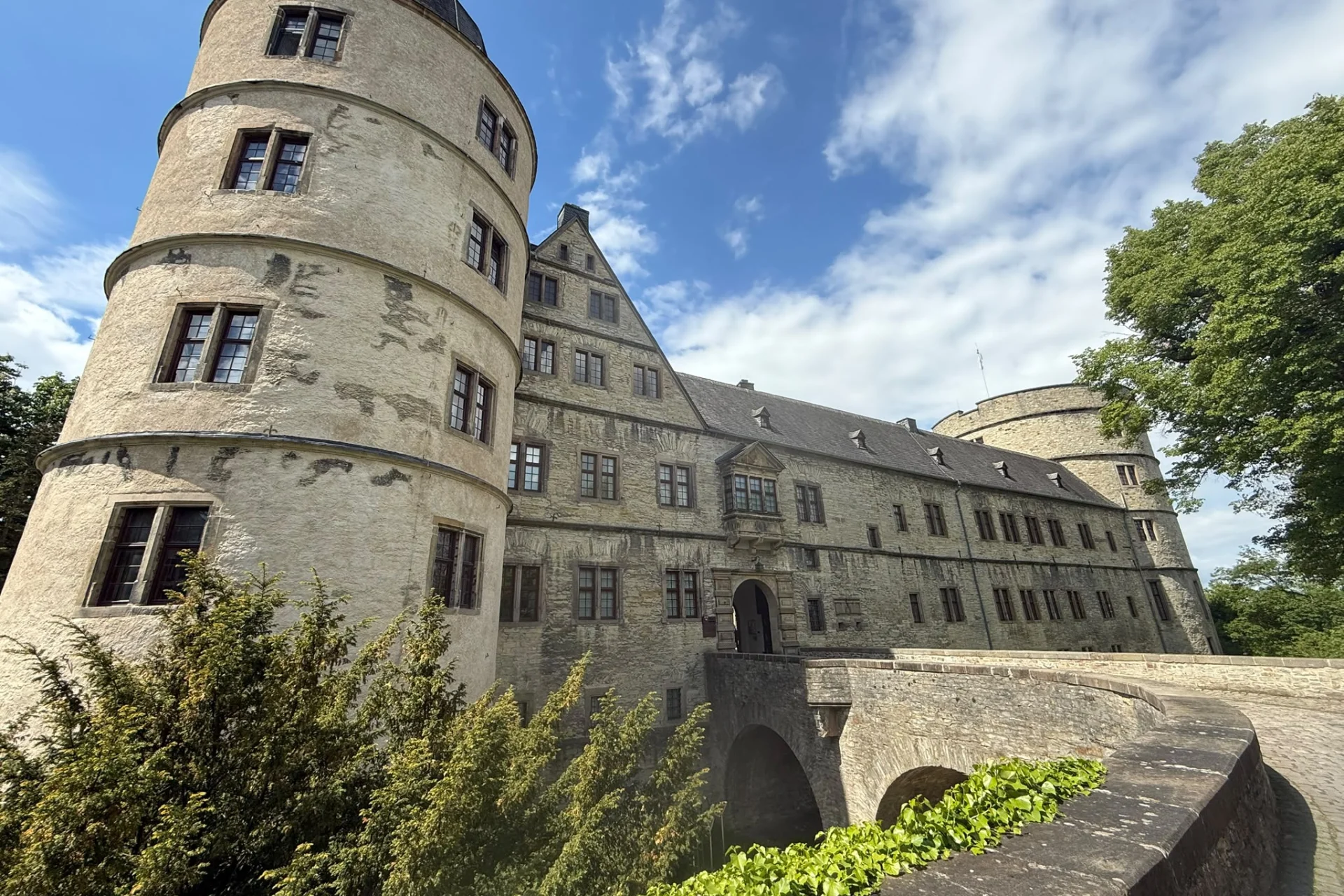
Standing as a striking triangular Renaissance castle in the heart of Germany, Wewelsburg's origins trace back to the early 17th century. Initially built as a secondary residence for the Prince-Bishops of Paderborn, its unique three-wing structure has long captured the imagination. Over centuries, it served various purposes, from a prison to a poorhouse, before its dark transformation in the 20th century.
Wewelsburg Castle's story took a profoundly sinister turn in 1934 when it was leased by Heinrich Himmler, the head of the SS. Himmler envisioned Wewelsburg not merely as a building, but as the spiritual and ideological heart of his SS order. He planned to convert it into a 'Grail Castle' and a 'Center of the World' after an ultimate Nazi victory. It was here that SS officers received ideological schooling, delving into a bizarre mix of pseudo-religious ceremonies, occultism, and racial theories that underpinned the Nazi regime's horrific actions.
The North Tower, in particular, was redesigned for Himmler's elite SS leaders. Its 'Obergruppenführersaal' (Generals' Hall) and the 'Crypt' below, adorned with a sun wheel mosaic, were intended for esoteric rituals and meetings, creating a chilling atmosphere of a twisted cult. The castle's ambitious renovation and expansion projects, however, came at an unimaginable human cost. A small concentration camp, Niederhagen, was established nearby, where prisoners, including Soviet POWs, Sinti, Roma, Jews, and political opponents, were forced to provide labor for the castle's construction under brutal conditions. Many perished from starvation, exhaustion, and systematic murder.
As the war neared its end in March 1945, Himmler ordered the castle to be blown up to prevent its capture by the Allies. While parts of it were destroyed, American forces eventually liberated the area, uncovering the remnants of a place steeped in one of history's darkest ideologies.
Today, Wewelsburg Castle serves as a powerful memorial and a place of education. The former SS guardhouse now houses the "Wewelsburg 1933–1945. Place of Terror and Fascination" museum. This permanent exhibition meticulously documents the castle's role during the Nazi era, the ideology of the SS, and the history of the Niederhagen concentration camp. Visitors can explore the North Tower, including the Crypt and the Obergruppenführersaal, now empty, but still resonating with the echoes of the past. The museum offers an unflinching look at the crimes committed and the mechanisms of indoctrination.
A visit to Wewelsburg Castle is an essential part of any World War II history journey, offering a unique and profound opportunity to confront the ideological core of the SS. It's a place to understand not just what happened, but why it happened – the intellectual and spiritual corruption that fueled unspeakable atrocities. Standing in the very rooms where Himmler planned his 'new world order' provides a chilling, visceral understanding of the dangers of extremism and the importance of vigilance. It is a respectful journey into the past, honoring the victims by remembering their suffering and educating future generations about the perils of hatred and totalitarianism. A youth hostel is also housed within the castle, emphasizing its role in fostering peace and understanding for the future.
Wewelsburg Castle is a poignant reminder of human depravity and resilience, making it a critical stop for those who seek to understand the full scope of World War II's impact.
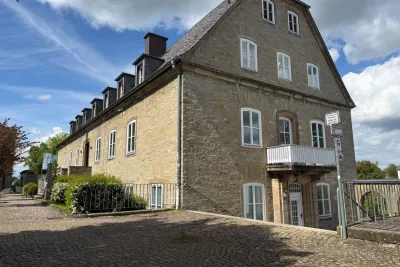
Explore the Wewelsburg 1933-45 Memorial, located in the former SS Guardhouse. A vital site for understanding WWII's dark history and the SS.
Rating: ★★★★★
Plan your World War II trip with guides to museums, battlefields, memorials and historic sites worldwide. Discover the best WWII locations for your next tour.