
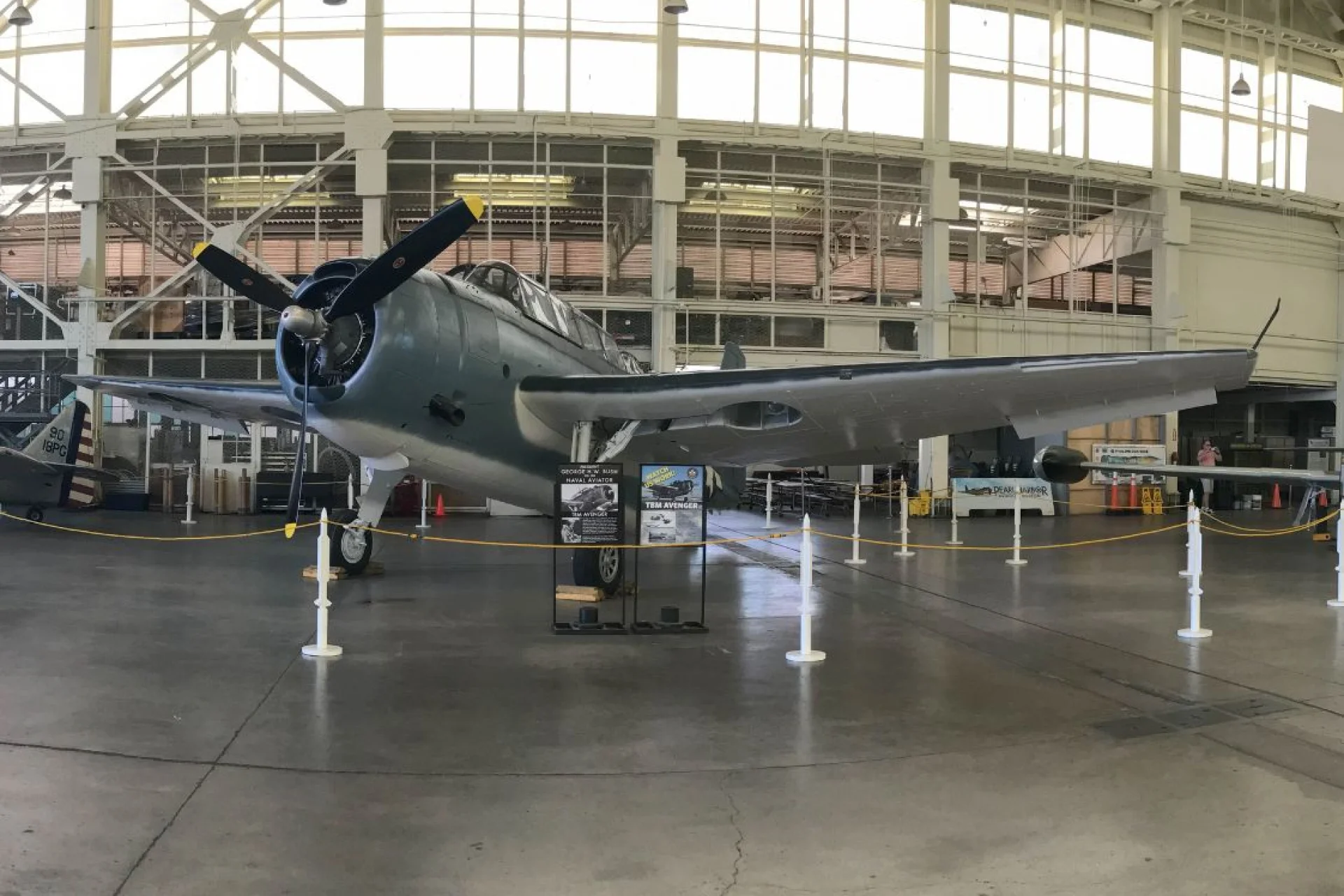
 Photo: runarut / Wikimedia Commons / License: CC BY 2.0
The tranquil waters of Pearl Harbor, nestled against the vibrant backdrop of Oahu, hold a profound and pivotal place in World War II history. Within this hallowed landscape, on the very ground of Ford Island, stands the Pearl Harbor Aviation Museum. It is not merely a collection of aircraft; it is a direct portal to the dramatic events of December 7, 1941, and the ensuing air campaigns that defined the Pacific Theater.
Ford Island, strategically located within Pearl Harbor, served as a crucial naval air station for the U.S. Navy and Army Air Corps prior to World War II. Its runways and hangars, once bustling with the daily routines of pilots and ground crew, became ground zero for the devastating surprise attack by the Imperial Japanese Navy. The scars of that morning – bullet holes in the windows of Hangar 79 – remain visible, silent witnesses to the sudden violence that plunged America into the global conflict.
The Pearl Harbor Aviation Museum's significance extends far beyond its physical location. Housed in historic Hangars 37 and 79, which survived the 1941 attack, the museum presents a comprehensive narrative of the air war in the Pacific. Visitors walk through the very spaces where American airmen prepared for flights and where the first bombs struck. The exhibits detail the immediate aftermath, the resilience of the forces, and the remarkable advancements in aviation technology and strategy that ultimately led to victory. It's a journey from the shock of the initial assault to the strategic aerial bombardments and decisive carrier battles that followed.
Today, the museum offers a deeply immersive and respectful experience. You can stand before a P-40 Warhawk, similar to those that took to the skies to defend Pearl Harbor, and witness the battle-scarred remnants of a B-17 Flying Fortress. The collection includes iconic aircraft from both sides of the conflict, such as the Japanese Zero, allowing for a poignant understanding of the aerial adversaries. Engage with interactive exhibits, walk across the historic tarmac, and feel the tangible connection to the brave men and women who served. The museum's dedication to preserving these relics and stories ensures that their sacrifices are never forgotten.
For anyone on a World War II history journey, the Pearl Harbor Aviation Museum is an essential stop. It offers a unique opportunity to grasp the human and technological aspects of aerial warfare from the very place where the Pacific War began. To stand in these hangars, among these historic aircraft, is to feel the weight of history and the incredible courage of those who fought. It's an inspiring, yet somber, reminder of the profound impact of war and the enduring spirit of resilience, making it a powerful and educational experience.
Plan your World War II trip with guides to museums, battlefields, memorials and historic sites worldwide. Discover the best WWII locations for your next tour.