 Photo: Paul Hermans / Wikimedia Commons / License: CC BY-SA 4.0
Fort Eben Emael, a formidable Belgian fortress, stands as a chilling testament to the brutal efficiency of the early Blitzkrieg. It was the target of Operation Granit, a groundbreaking German airborne assault in May 1940 that reshaped modern warfare tactics and opened the path for invasion. Today, it offers a profound journey into a pivotal moment of World War II.
Key Facts:
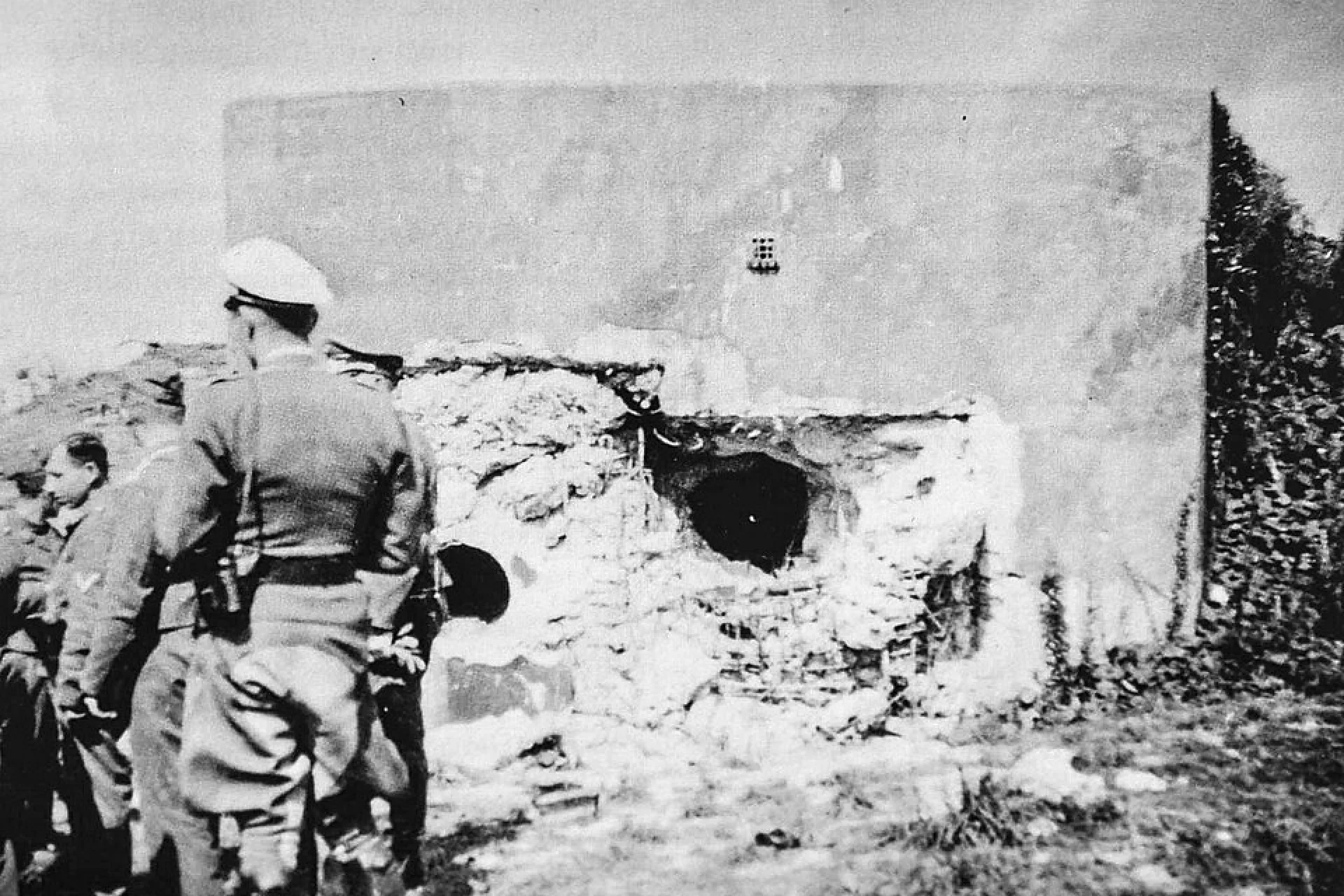
Designed as an impregnable bulwark, Fort Eben Emael was the lynchpin of Belgium's eastern defenses. Its massive concrete structures, heavily armed turrets, and extensive underground galleries were meant to halt any aggressor. However, on May 10, 1940, Hitler's forces launched "Operation Granit," an audacious and unprecedented attack. Under the cloak of dawn, German DFS 230 gliders, carrying elite Fallschirmjäger, silently landed directly atop the fort's grassy roof. Employing revolutionary hollow-charge explosives, these special forces rapidly neutralized the fort's key gun emplacements and observation domes. This swift action created a critical breach for the advancing ground troops. The Belgian defenders, though initially stunned, bravely resisted from within the fort's labyrinthine passages, leading to fierce close-quarters combat. Their courage, however, could not overcome the suddenness and precision of the attack. Within hours, the seemingly impenetrable fortress was effectively crippled, paving the way for the swift German advance through Belgium and into France. The fall of Fort Eben Emael became a stark symbol of the Blitzkrieg's innovative power, demonstrating how airborne tactics could overcome even the most formidable fixed defenses and marking a brutal lesson in the human cost of rapid modern warfare.
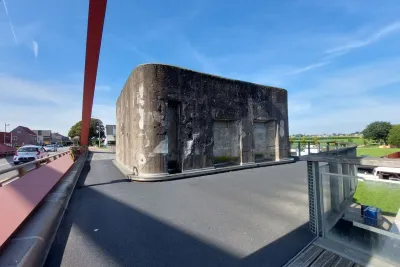
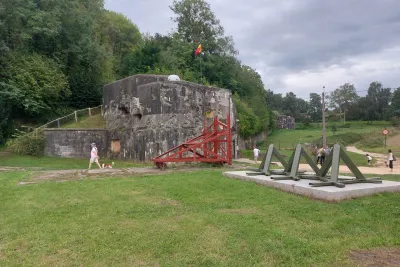
Visiting Fort Eben Emael today is a truly immersive and sobering experience. The fort has been largely preserved, allowing visitors to step back into that fateful spring of 1940. You can explore the vast underground bunkers, tunnels, and casemates, feeling the oppressive weight of the concrete above. The massive artillery turrets, some still bearing the scars of the German attack, stand as silent sentinels. A dedicated museum within the fort displays original artifacts, uniforms, weapons, and compelling photographs, telling the story of both the German attackers and the brave Belgian defenders. Guided tours often provide detailed accounts of Operation Granit, bringing the history to life with poignant anecdotes and strategic insights. The sheer scale of the fort and the ingenuity of the German assault are palpable, offering a unique perspective on the opening moves of the Western Front.
To make the most of your visit, consider joining a guided tour; the historical context and intricate layout are best explained by experts. The fort's environment can be cool and damp, so dress warmly and wear comfortable, sturdy shoes suitable for walking on uneven surfaces. Allow at least 2-3 hours to fully explore the site. The fort is located near the Belgian city of Liège, which itself holds significant World War I and II history, and Maastricht in the Netherlands, offering opportunities to combine your visit with other historical or cultural explorations. Check the official website for opening hours, tour availability, and any special events before planning your trip. Remember to approach the site with reverence, honoring the memories of all who experienced the conflict within these walls.
Plan your World War II trip with guides to museums, battlefields, memorials and historic sites worldwide. Discover the best WWII locations for your next tour.