Operation Dynamo represents one of World War II's most astonishing feats of endurance and courage: the evacuation of over 338,000 Allied soldiers from the beaches and harbor of Dunkirk, France. Trapped by advancing German forces, these men faced annihilation until a hastily organized rescue effort, involving naval vessels and civilian boats, carved a path to survival and renewed hope for the Allied cause.
In the spring of 1940, Hitler's Blitzkrieg swept through Western Europe, bypassing France's Maginot Line and swiftly encircling Allied forces, including the bulk of the British Expeditionary Force (BEF) and large contingents of French and Belgian troops. By late May, these forces were pushed back to the coastal town of Dunkirk, their backs to the English Channel. With limited options and under relentless attack from the Luftwaffe and German ground forces, the Allies prepared for the worst.
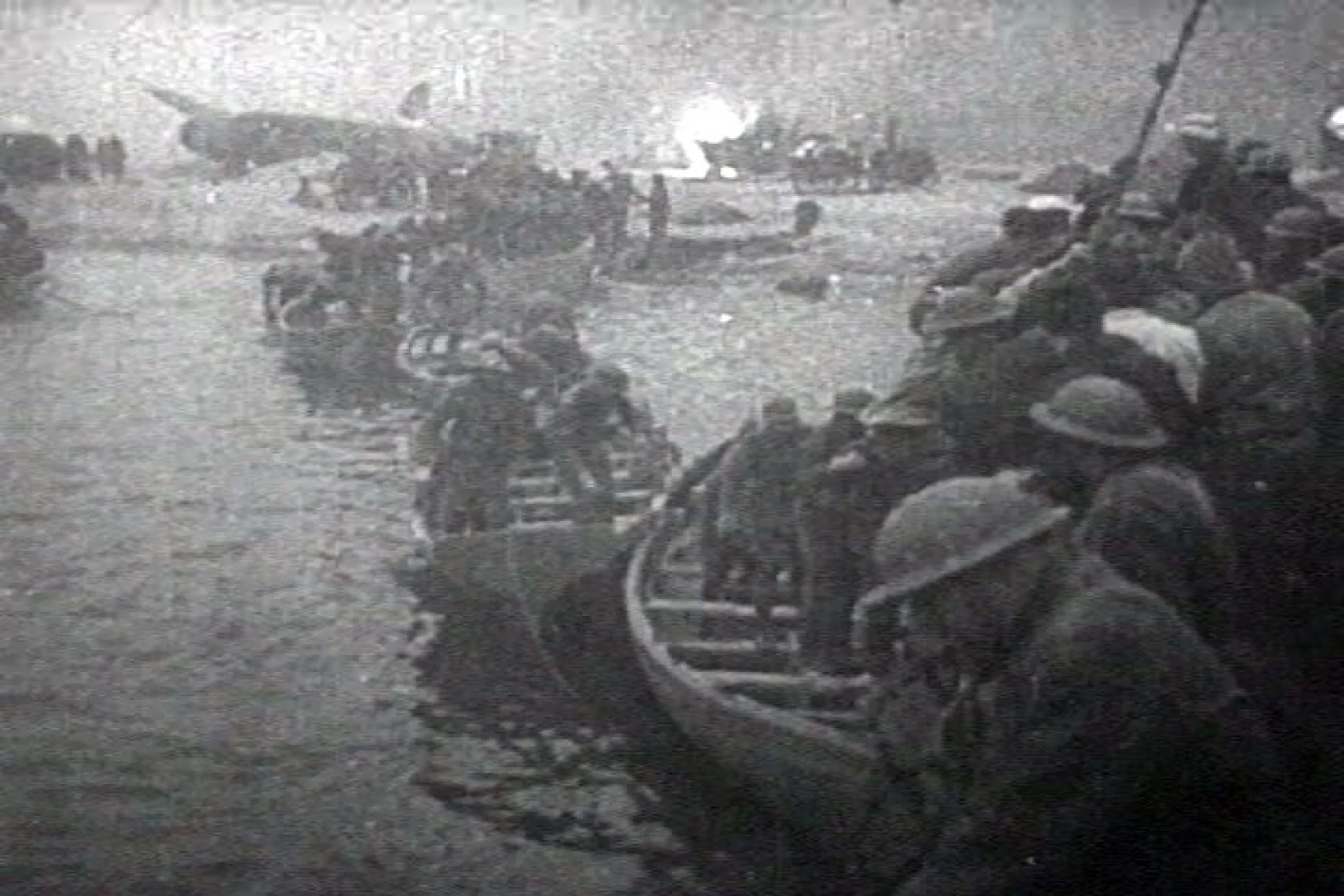
What followed was dubbed Operation Dynamo, a desperate, nine-day naval evacuation orchestrated by the British. The Royal Navy, supported by hundreds of civilian vessels – fishing boats, yachts, lifeboats, and ferries, famously known as the 'little ships' – braved aerial bombardment, artillery fire, and treacherous waters to ferry soldiers from the shallow beaches and Dunkirk's harbor mole. While immense casualties were suffered, and vast quantities of equipment abandoned, the sheer scale of the evacuation defied expectations. The 'Miracle of Dunkirk' saved a substantial portion of the Allied fighting force, allowing Britain to continue the war and providing a vital morale boost that resonated across the free world.
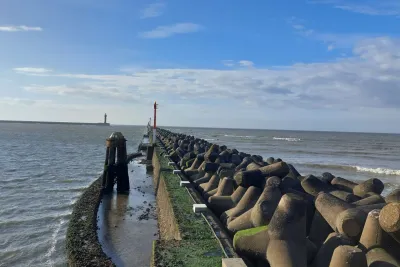
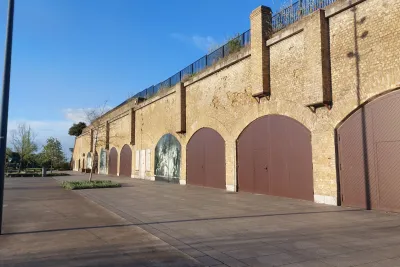
Today, Dunkirk stands as a poignant reminder of this pivotal moment. Visitors can walk along the vast, sandy beaches where thousands of soldiers waited for rescue, feeling the ghosts of history underfoot. The Dunkirk 1940 Museum (Musée Dunkerque 1940) provides an immersive experience, displaying artifacts, uniforms, photographs, and personal accounts that bring the desperate days of the evacuation to life. Through detailed exhibits, one can gain a profound understanding of the strategic challenges, the human sacrifices, and the extraordinary coordination that defined Operation Dynamo.
Standing on the shore, one can reflect on the courage of the soldiers, the heroism of the mariners, and the resilience of a nation determined not to surrender. The atmosphere, while somber, is also one of quiet awe for the human spirit that triumphed against overwhelming odds.
Dunkirk is easily accessible by car or train from major cities in Northern France and Belgium. The Dunkirk 1940 Museum is a must-visit and typically requires 2-3 hours to explore thoroughly. After the museum, take time to walk the beach (Plage de Malo-les-Bains) and reflect. Look for the memorials dedicated to the British, French, and Belgian forces, offering a moment for respectful remembrance.
Consider combining your visit with other significant WWII sites in the region, such as the Valloires Abbey, which served as a hospital, or nearby war cemeteries. The weather can be unpredictable on the coast, so layers are advisable. Allow ample time to absorb the history and the atmosphere, honoring the stories of those who endured this incredible ordeal.
Plan your World War II trip with guides to museums, battlefields, memorials and historic sites worldwide. Discover the best WWII locations for your next tour.