
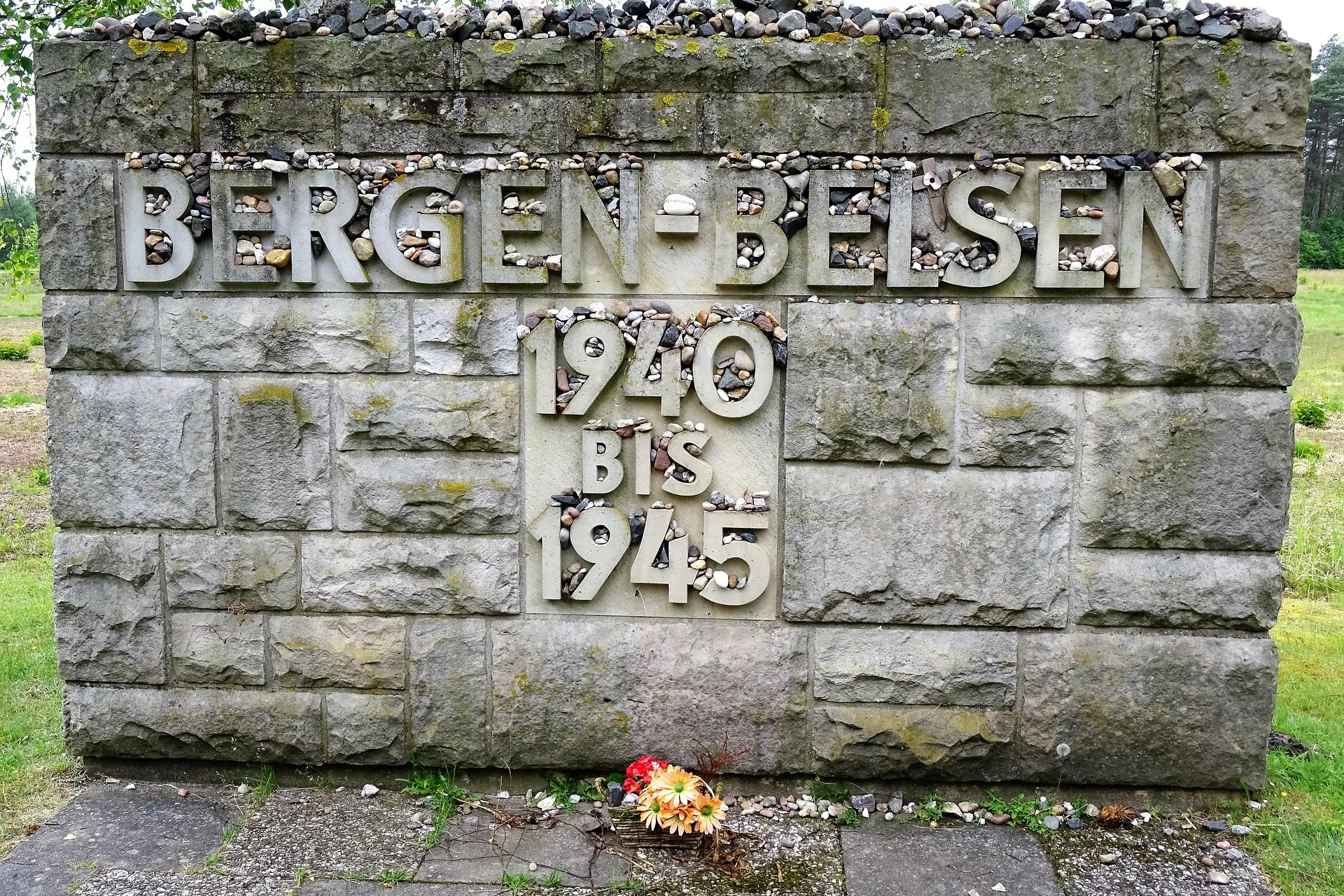
Gedenkstätte Bergen-Belsen is not merely a name on a map; it is a profound historical scar, a place where the depths of human suffering during World War II are laid bare. Located in Lohheide, Germany, this former concentration camp and prisoner-of-war camp stands today as a silent, yet powerful, memorial to the tens of thousands who perished here. For those embarking on a journey through World War II history, a visit to Bergen-Belsen is an essential pilgrimage, offering a stark reminder of humanity's darkest chapter and the enduring importance of remembrance.
Originally established in 1940 as a prisoner-of-war camp (Stalag 311) for Belgian and French soldiers, Bergen-Belsen's purpose tragically shifted. By 1943, it had been partially converted into a "reception camp" and later a concentration camp by the SS. Initially, some sections held "exchange Jews" intended for prisoner swaps, but as the war progressed, its role became far more sinister. Towards the war's end, Bergen-Belsen became a destination for prisoners evacuated from camps closer to the advancing Allied fronts, leading to catastrophic overcrowding and an unimaginable humanitarian crisis.
Bergen-Belsen holds a uniquely devastating significance in the narrative of the Holocaust. While not an extermination camp with gas chambers, the conditions imposed by the Nazi regime were lethal. Starvation, disease – particularly typhus – and systematic neglect led to the deaths of an estimated 52,000 concentration camp prisoners and 20,000 Soviet prisoners of war. Among the victims were Anne Frank and her sister Margot, who succumbed to typhus just weeks before liberation. When British forces arrived on April 15, 1945, they discovered scenes of unspeakable horror – thousands of unburied bodies and tens of thousands of severely ill survivors, a chilling testament to the regime's brutality. Their immediate actions to provide aid and document the atrocities became a pivotal moment in revealing the true nature of the Nazi crimes to the world.
The Gedenkstätte Bergen-Belsen today is a site of solemn reflection, meticulously preserved to honor the victims and educate future generations. Visitors can walk the grounds where the camp once stood, marked by the original camp roads and foundations. Mass graves, adorned with simple markers and flowers, bear witness to the immense loss of life. The impressive documentation center offers a comprehensive and sensitive exhibition, featuring historical photographs, personal testimonies, original documents, and film footage. These exhibits not only chronicle the camp's history but also give voice to those who suffered and perished. The "House of Silence" provides a space for personal contemplation.
To stand at Bergen-Belsen is to confront history directly. It is an act of respectful remembrance, a chance to understand the scale of human tragedy, and to reaffirm the commitment to human dignity and freedom. This memorial site is not about glorifying conflict, but about bearing witness to its devastating consequences. For anyone on a World War II journey, Bergen-Belsen offers an irreplaceable, powerful, and deeply moving experience that underscores the urgent importance of learning from the past to safeguard the future.
Plan your World War II trip with guides to museums, battlefields, memorials and historic sites worldwide. Discover the best WWII locations for your next tour.