
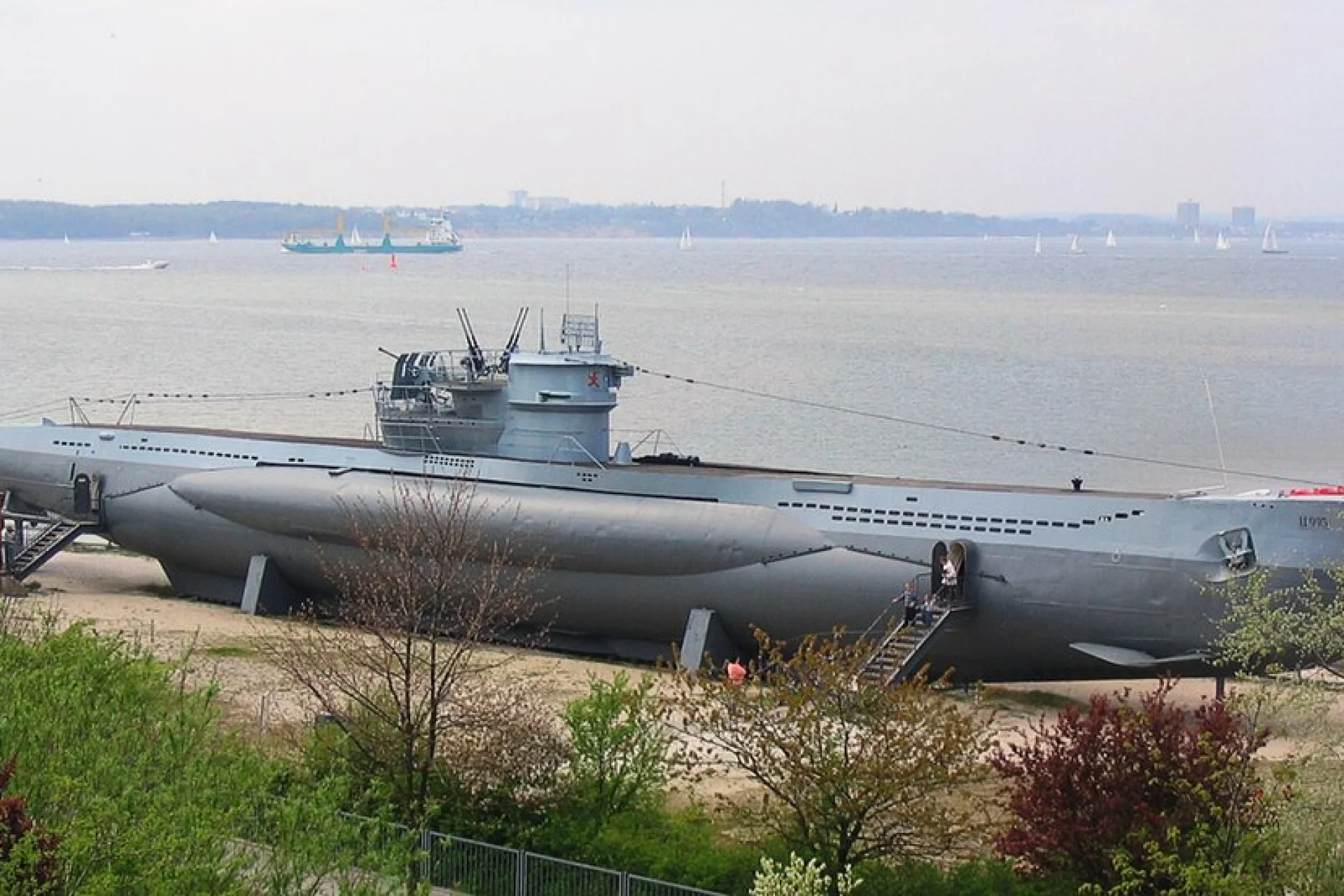
 Photo: Darkone / Wikimedia Commons / License: CC BY 2.0
The German Type VII-C U-Boot was the quintessential submarine of World War II, becoming the backbone of the Kriegsmarine's U-Boot arm. Responsible for sinking vast amounts of Allied shipping, it played a central role in the brutal Battle of the Atlantic, fundamentally shaping the course of naval warfare.
Key Facts:
The Type VII-C U-Boot entered service at the height of the Battle of the Atlantic, swiftly proving its worth as a potent predator. Its excellent sea-keeping, respectable range, and formidable torpedo armament made it ideal for disrupting Allied convoys. Operating in "wolfpacks," these submarines inflicted devastating losses on supply lines crucial for the Allied war effort. Commanders achieved legendary status for their successes against merchant vessels and even warships.
However, the U-Boat's effectiveness was gradually countered by Allied technological and tactical innovations. The introduction of escort carriers, longer-range aircraft with radar, improved sonar, and better anti-submarine warfare (ASW) tactics turned the tide. By mid-1943, U-Boat losses became unsustainable, leading to the infamous "Black May." Despite later technological additions like the snorkel, the Type VII-C remained vulnerable. Over 300 Type VII-C U-Boots were sunk, with an estimated 28,000 crewmen killed, highlighting the immense dangers and sacrifices faced. Their campaign forced the Allies to divert vast resources to convoy protection and ASW, ultimately failing to sever the vital Atlantic lifeline.
The Type VII-C U-Boot remains one of the most iconic symbols of naval warfare in World War II. Its design influenced subsequent submarine development, and its role in the Battle of the Atlantic underscored the strategic importance of oceanic supply routes. Today, its enduring legacy serves as a stark reminder of the global reach and human cost of the conflict. Visitors can explore preserved examples to experience the cramped, claustrophobic reality of a U-Boat. The U-995, a Type VII-C/41, is meticulously preserved and open to the public as a museum ship at Laboe Naval Memorial near Kiel, Germany, offering a unique and sobering insight into life beneath the waves during World War II.
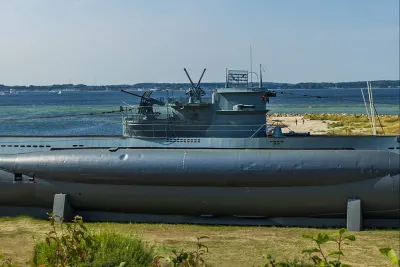
Step aboard U-995, a Type VII-C/41 U-boat, and experience the grim reality of naval warfare. A powerful WWII historical site in Laboe, Germany.
Plan your World War II trip with guides to museums, battlefields, memorials and historic sites worldwide. Discover the best WWII locations for your next tour.