
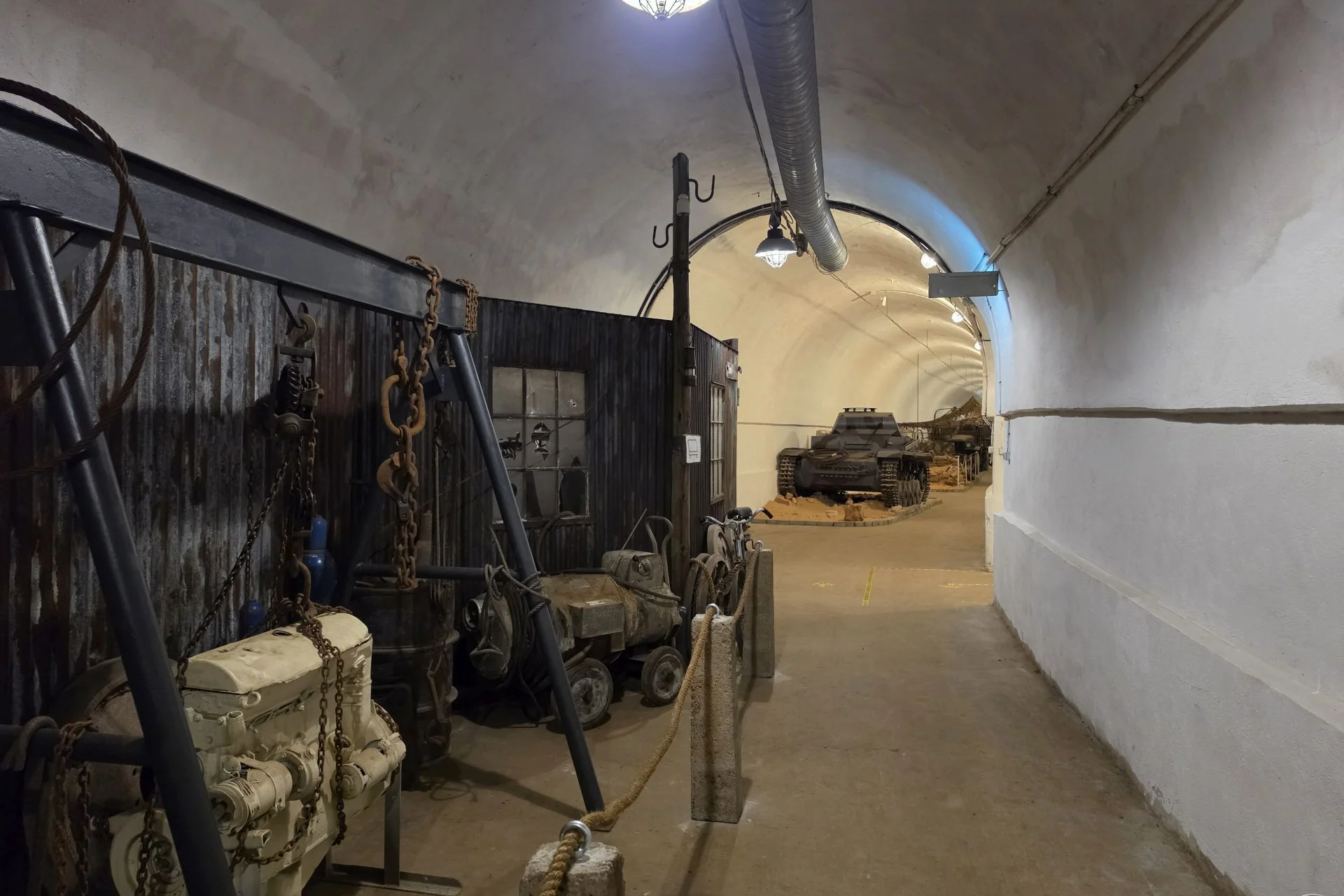
Step back in time to the formidable defenses of the Westwall, commonly known as the Siegfried Line, at the Westwall Museum Festungswerk Gerstfeldhöhe in Pirmasens-Niedersimten, Germany. Here, amidst the serene landscape of today, lies a silent sentinel of World War II, inviting visitors to connect with the raw reality of a desperate conflict. This isn't just a museum; it's a preserved piece of history, offering a poignant journey into the heart of a defensive system that once spanned hundreds of kilometers.
The Westwall, or Siegfried Line, was a vast system of bunkers, tunnels, dragon's teeth tank traps, and other fortifications built by Germany along its western border, opposite the French Maginot Line. Construction began in 1936 and intensified dramatically from 1938 onwards. Designed as a defensive barrier, its purpose was to protect Germany from a potential Allied invasion from the west, particularly after the re-militarization of the Rhineland. Festungswerk Gerstfeldhöhe, an infantry bunker, was a vital component of this extensive network, positioned strategically to guard key routes in the Palatinate Forest.
During the initial phases of World War II, the Westwall saw little direct combat, primarily serving as a psychological deterrent. However, as the tide of war turned and Allied forces advanced towards Germany in late 1944, the Westwall transformed into a brutal battleground. Festungswerk Gerstfeldhöhe, like many of its counterparts, became a linchpin in the desperate German defense, particularly during the Battle of the Bulge (Ardennes Offensive) and Operation Nordwind in the winter of 1944-1945. American units faced fierce resistance, enduring harsh conditions and heavy casualties as they fought to breach these concrete strongholds. The bunker's stoic presence bore witness to intense fighting, highlighting the resilience and grim determination of the soldiers on both sides, and the immense human cost of each meter gained or lost.
Today, the Westwall Museum Festungswerk Gerstfeldhöhe offers an immersive and respectful experience. Visitors can explore the well-preserved bunker, descending into its cool, damp interior to see the command post, living quarters, ammunition depots, and machine-gun emplacements, many equipped with original or faithfully recreated artifacts. Informative exhibits detail the construction of the Westwall, the daily life of the soldiers stationed there, and the specific events of its combat history. Walking through its narrow corridors, one can almost hear the echoes of the past, gaining a profound sense of the claustrophobia and tension experienced by those who defended or attacked this formidable structure.
A visit to Festungswerk Gerstfeldhöhe is an essential component of any World War II history journey. It provides a tangible link to the past, allowing visitors to stand in the very places where pivotal moments unfolded. It's a sobering reminder of the scale of the conflict and the human stories intertwined with these silent fortifications. By exploring this site, we not only honor the memory of those who lived and fought here but also gain a deeper understanding of the complexities and consequences of war. The museum offers regular guided tours, providing detailed insights into the bunker's history and its role in the broader context of World War II.
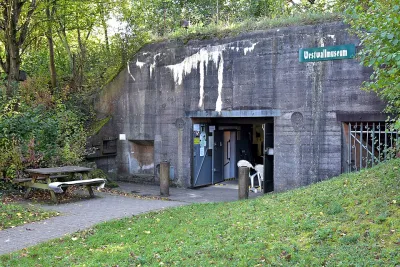
Step into history at Westwallmuseum Bad Bergzabern. Discover the formidable Siegfried Line, its role in WWII, and the human stories behind Germany's Western Front.
Plan your World War II trip with guides to museums, battlefields, memorials and historic sites worldwide. Discover the best WWII locations for your next tour.