
 Photo: BlueBreezeWiki / Wikimedia Commons / License: CC BY-SA 3.0
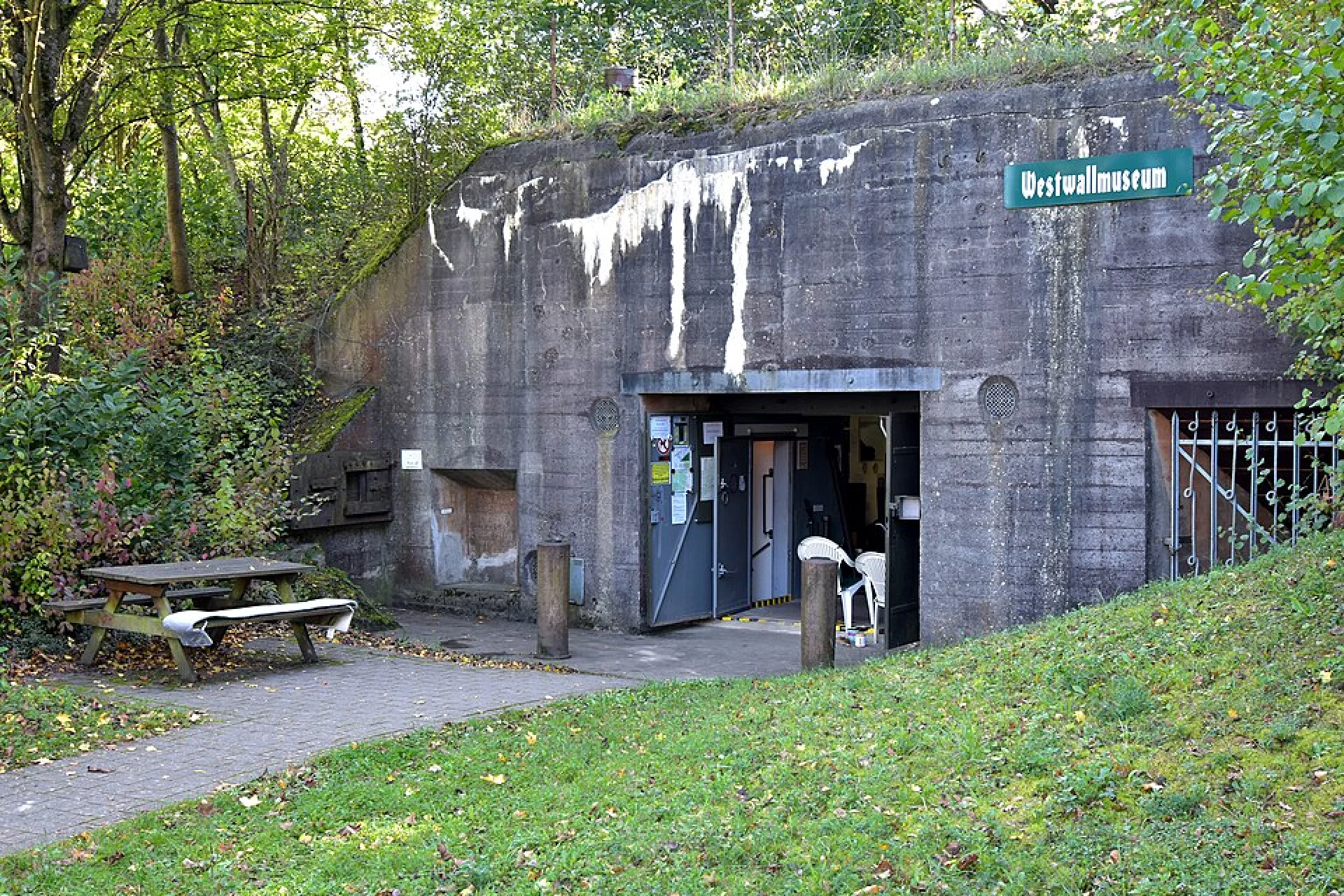
Deep within the tranquil landscapes of the Palatinate Forest, near the French border, lies a silent sentinel of a bygone era: the Westwallmuseum Bad Bergzabern. This site offers a tangible connection to the infamous Westwall, known to the Allies as the Siegfried Line. Conceived and constructed primarily between 1936 and 1940, the Westwall was a vast defensive network stretching over 630 kilometers along Germany's western frontier, from the border with the Netherlands to Switzerland. It comprised thousands of bunkers, anti-tank obstacles, tunnels, and troop shelters, designed to protect Germany from a potential invasion from France and the Low Countries. Its sheer scale and ambition were a testament to the pre-war geopolitical tensions and a chilling precursor to the conflict that would soon engulf Europe.
While never tested in its full might during the initial stages of World War II, the Westwall played a psychological role during the "Phoney War" (Sitzkrieg) period from late 1939 to mid-1940. It deterred a full-scale French offensive into Germany while German forces concentrated on Poland. Following the swift fall of France, the line became largely obsolete, with many of its armaments repurposed for other fronts.
However, the Westwall's moment of truth arrived in late 1944 and early 1945. As Allied forces advanced through France and into Germany, they encountered a reactivated and fiercely defended Siegfried Line. What was once a static, pre-war deterrent transformed into a brutal battleground. The fighting along this fortified belt was characterized by grueling close-quarters combat, heavy artillery bombardments, and significant casualties on both sides. Stories of tenacious German defenders and determined Allied assaults are etched into the concrete and earth of these structures, echoing the immense human cost of war.
Visiting the Westwallmuseum Bad Bergzabern today is a profound experience that transports you directly into the heart of the Siegfried Line. The museum is housed within a preserved section of the original fortifications, allowing visitors to explore authentic bunkers, command posts, and trenches. You can walk through the narrow, concrete corridors, descend into the subterranean chambers, and observe the formidable anti-tank obstacles up close.
The exhibits thoughtfully display artifacts, weaponry, uniforms, and personal effects of the soldiers who manned these defenses. Informative displays, photographs, and historical documents bring the strategic importance and the everyday life of the Westwall's garrisons to light, offering a nuanced perspective on the conflict. It's an opportunity to physically grasp the scale and complexity of these fortifications and to reflect on the stories of courage, fear, and resilience that unfolded within their walls.
For those undertaking a World War II historical journey, the Westwallmuseum Bad Bergzabern is an indispensable stop. It offers a unique opportunity to stand on the very ground where history was made, to feel the weight of the past, and to gain a deeper understanding of the Western Front's defensive strategies. This site provides crucial insight into the realities of modern warfare and the human impact of large-scale fortifications. It serves as a powerful reminder of the sacrifices made and the lessons learned, ensuring that the stories of those who experienced this critical period are never forgotten. A visit here is not just a tour; it’s an immersive, respectful journey into a pivotal chapter of the 20th century.
Plan your World War II trip with guides to museums, battlefields, memorials and historic sites worldwide. Discover the best WWII locations for your next tour.