
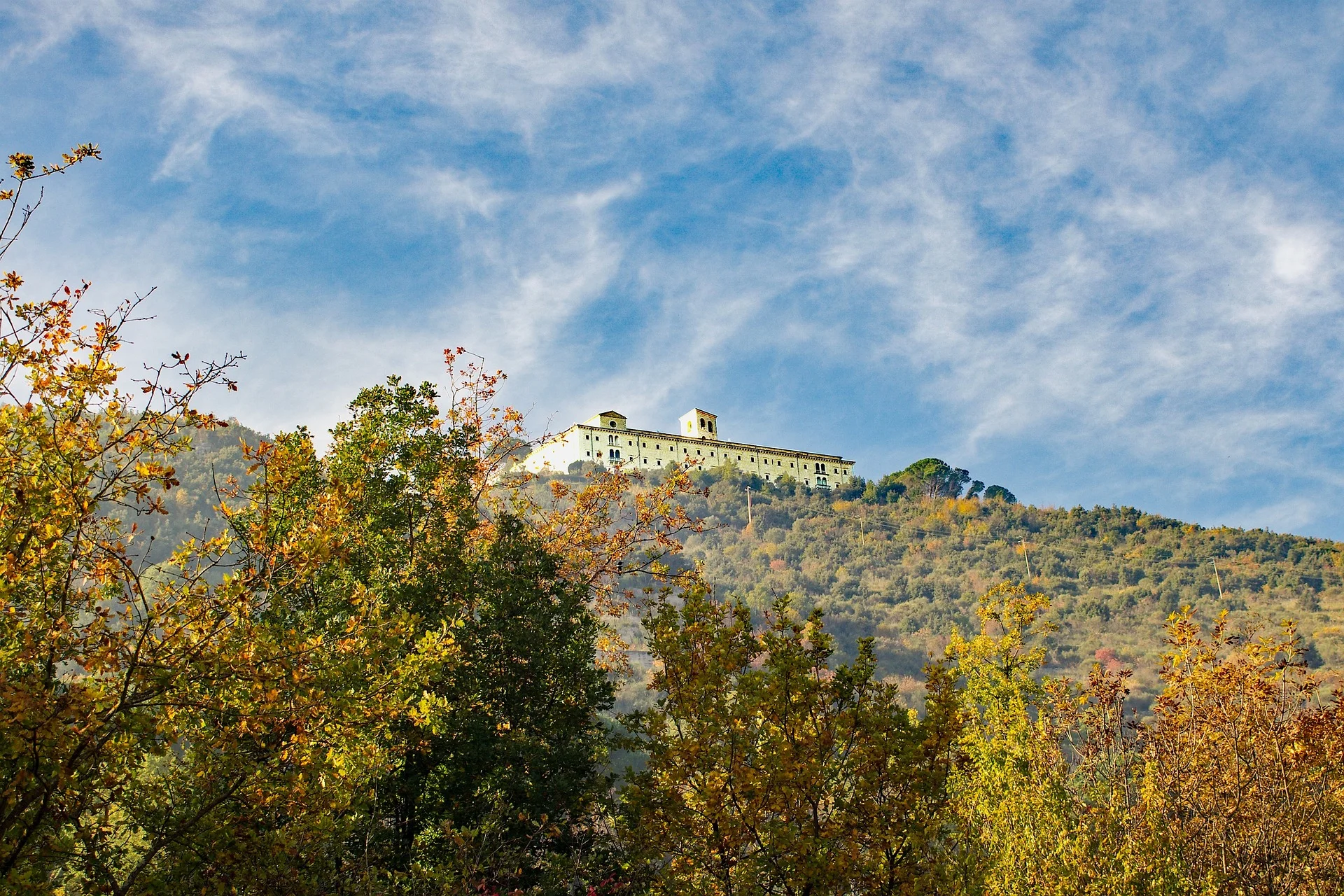
Perched atop a formidable hill overlooking the Liri Valley, Montecassino is home to one of the most revered Benedictine abbeys in the world. Founded by St. Benedict himself in 529 AD, this sacred site has endured centuries of conflict, natural disaster, and rebirth, serving as a beacon of Western monasticism and a repository of invaluable historical and cultural treasures. Its strategic position, however, destined it to play a tragic role in one of the most brutal campaigns of World War II.
In late 1943, as Allied forces pushed northward through Italy, they encountered the formidable German Gustav Line – a series of heavily fortified defensive positions stretching across the peninsula. Montecassino, with its commanding views and natural defenses, became the linchpin of this line, a seemingly impregnable fortress blocking the Allied advance towards Rome.
Between January and May 1944, four desperate battles raged for control of Montecassino and the surrounding terrain. Allied forces, including American, British, Indian, New Zealand, French, and Polish troops, faced elite German Fallschirmjäger (paratroopers) entrenched in a labyrinth of bunkers and dugouts. The fighting was extraordinarily fierce, characterized by bitter mountain warfare, close-quarters combat, and immense casualties on both sides. The most controversial event was the Allied bombing of the historic Abbey in February 1944, a decision made on the belief that German forces were using it for observation, though post-war accounts largely refuted direct occupation inside the monastic enclosure before the bombing. The destruction of the Abbey, a place of spiritual solace for centuries, added another layer of tragedy to an already devastating conflict. Ultimately, it was the Polish II Corps who, in May 1944, made the final, heroic push, capturing the ruins of the Abbey after immense sacrifice.
The battles for Montecassino represent an extraordinary test of human endurance, courage, and sacrifice. The landscape itself bears silent witness to the ferocity of the fighting, now a place of solemn remembrance. The Abbey, faithfully rebuilt "as it was where it was," stands today as a powerful symbol of resilience, a phoenix rising from the ashes of war.
Visiting Montecassino today offers a profound journey into a pivotal moment in World War II. The reconstructed Abbey of Montecassino welcomes visitors, allowing them to explore its majestic architecture, tranquil cloisters, and the tomb of St. Benedict, all while reflecting on its dramatic past. The panoramic views from the hilltop, once a strategic prize, now provide a breathtaking, yet poignant, backdrop for contemplation.
Nearby, the Polish War Cemetery, the Commonwealth War Cemetery, and the German War Cemetery serve as solemn final resting places, each a poignant reminder of the lives lost. The Cassino War Memorial and the National Archaeological Museum "G. Carettoni" in Cassino itself offer further insights into the region's history, both ancient and modern.
A journey to Montecassino is more than just a historical tour; it is an act of remembrance. Standing on these hallowed grounds, you can truly feel the weight of history, understanding the immense human cost of conflict. It is an essential stop for anyone seeking to grasp the full scope of the Italian Campaign and to pay respects to all who suffered and sacrificed during World War II. It inspires reflection on peace and the enduring spirit of humanity.
Plan your World War II trip with guides to museums, battlefields, memorials and historic sites worldwide. Discover the best WWII locations for your next tour.