Italy played a major role in World War II as one of the principal Axis powers before the country changed sides in 1943. The Allied invasion of Sicily, the Italian armistice, and the subsequent German occupation turned Italy into a major battlefield that stretched from the south to the Alps.
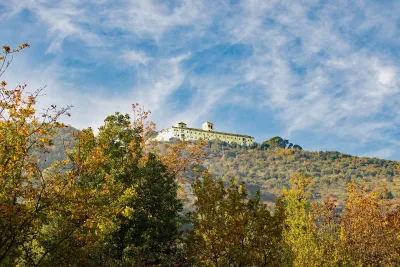
Today, visitors can explore a wide range of World War II historic sites across Italy, including battlefields, military cemeteries, bunkers, fortifications, museums, memorials, and historic buildings. Sicily, Salerno, Anzio, Monte Cassino, and the Gothic Line are among the most important areas associated with the Allied campaign in Italy.
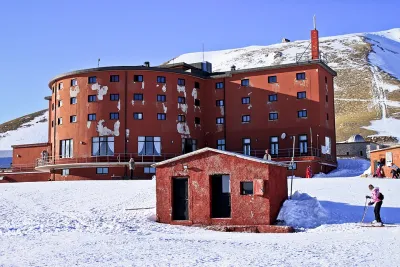
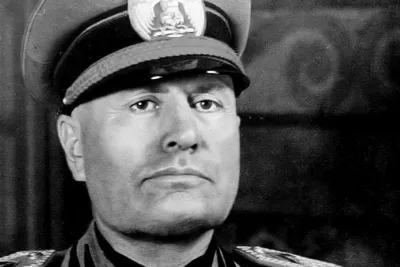
Other significant locations are connected to the Italian Resistance, the German occupation, and the final stages of the war. Sites such as the Gran Sasso and Campo Imperatore, where Benito Mussolini was held after his arrest and later liberated by German forces, provide a direct connection to important events of 1943. Museums and memorials across the country also document the experiences of Italian soldiers, civilians, resistance fighters, and victims of occupation and persecution.
Together, these places offer visitors the opportunity to explore Italy's wartime history, from its role as an Axis power and the Allied invasion of Sicily to the Italian armistice, German occupation, Resistance, and the final battles of 1945.
Plan your World War II trip with guides to museums, battlefields, memorials and historic sites worldwide. Discover the best WWII locations for your next tour.