
Along the windswept dunes of Julianadorp, a silent monolith stands guard, a stark reminder of a world at war. Artillery Bunker M219, a formidable concrete structure, is a tangible piece of the vast Atlantic Wall – Hitler’s ambitious defense system designed to repel an Allied invasion of occupied Europe. To stand before its imposing facade is to step back into a pivotal era, feeling the weight of history in every weathered crevice. This is not merely a ruin; it is a profound testament to the scale of human conflict and the enduring legacy of World War II.
From 1942 onwards, the German forces began construction on the Atlantic Wall, an immense network of bunkers, batteries, and anti-tank defenses stretching over 5,000 kilometers from Norway to the Franco-Spanish border. Julianadorp, strategically positioned on the Dutch coast, became a crucial component of this defense. Bunker M219 was part of the Stützpunktgruppe Julianadorp, itself integrated into Festung Den Helder – a heavily fortified area vital for controlling the approaches to the Zuiderzee and the key naval port of Den Helder. Its construction, often carried out by forced labor, was a colossal undertaking, consuming vast amounts of concrete and steel, reshaping the coastline forever with an unwavering, often brutal, efficiency.
Artillery Bunker M219 was not merely a shelter; it was a hardened combat position designed to house heavy artillery, its cannons aimed seaward, ready to unleash devastating fire upon any approaching enemy fleet. Its role was to contribute to the coastal defense, protecting against potential amphibious landings and providing interlocking fields of fire with other batteries along the coast. While the major Allied invasion, D-Day, ultimately occurred further south in Normandy, the presence of such formidable defenses tied up significant German resources and had a profound psychological impact on both occupiers and occupied. The M219, though perhaps never firing in anger at an invasion fleet, symbolizes the immense scale of wartime preparations and the constant state of alert maintained on this strategically vital stretch of coast.
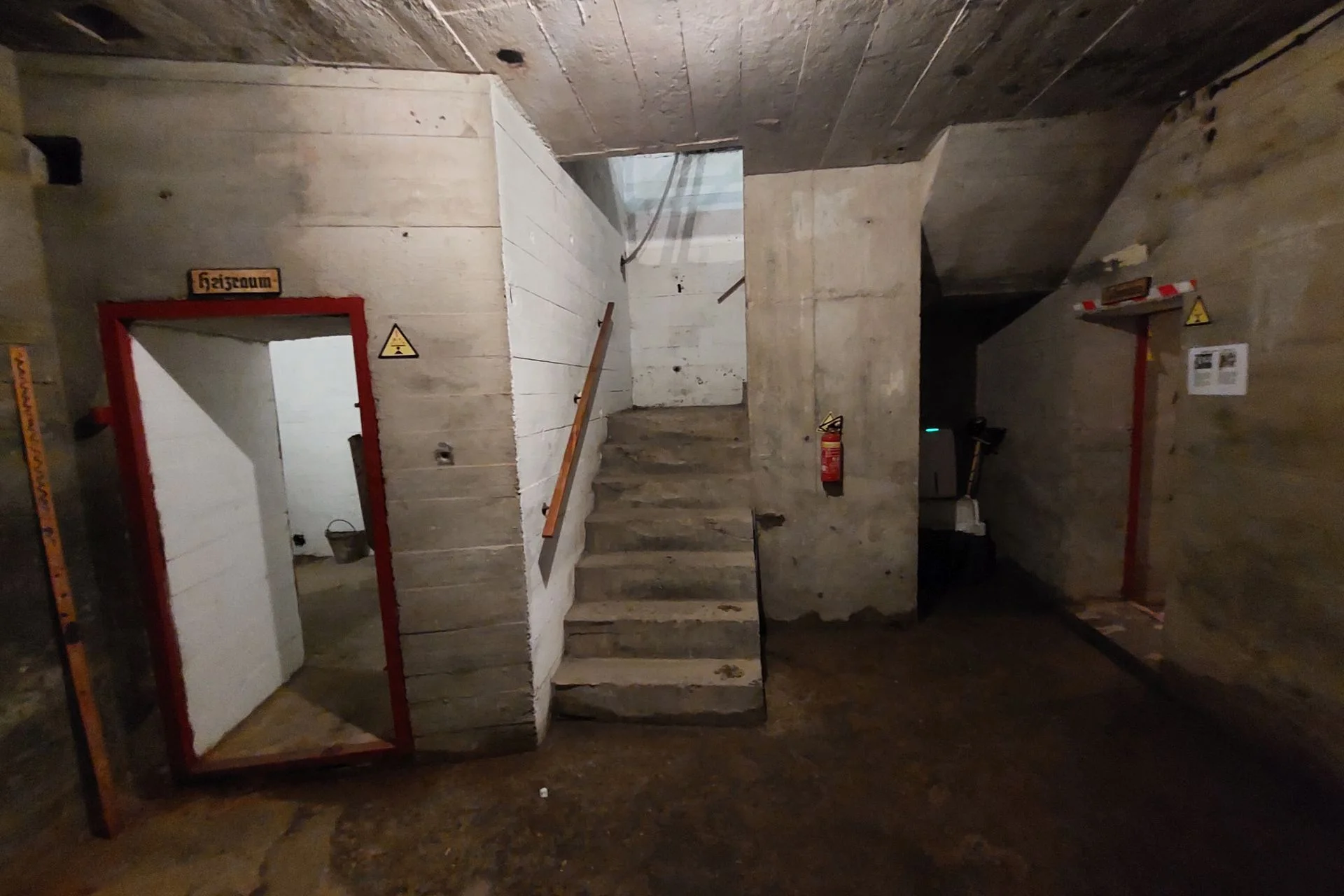
Today, Artillery Bunker M219 offers a unique opportunity for visitors to explore an authentic piece of World War II history. While the bunker is a solid, enduring structure, its surroundings invite contemplation. Imagine the relentless wind, the constant threat, and the daily lives of those stationed within its thick walls. Though access inside may vary, the exterior alone speaks volumes. Walk around its massive form, trace the lines of its design, and consider the sheer human effort and strategic thinking that went into its creation. The raw, unyielding nature of the concrete serves as a powerful testament to the harsh realities of conflict and the immense human cost of such endeavors.
Visiting Artillery Bunker M219 is more than just a sightseeing trip; it is an immersive historical journey. It allows one to stand on the very ground where grand strategic plans met the grim reality of defensive fortifications. It’s an important stop on any World War II itinerary, offering insights into the Atlantic Wall’s immense scale and its enduring legacy. It’s a place to reflect on the immense human cost of war, the resilience of those who endured occupation, and the ingenuity – however destructive – applied during a global conflict. This bunker is a silent, solemn monument to a bygone era, prompting us to remember, learn, and ensure such history is never repeated.
Plan your World War II trip with guides to museums, battlefields, memorials and historic sites worldwide. Discover the best WWII locations for your next tour.