The Netherlands played an important role in the history of World War II in Western Europe. After the German invasion in May 1940, the country remained under occupation for more than four years. The Dutch Resistance, the persecution of the Jewish population, the Allied advance, and the eventual liberation all left a lasting mark on the country.
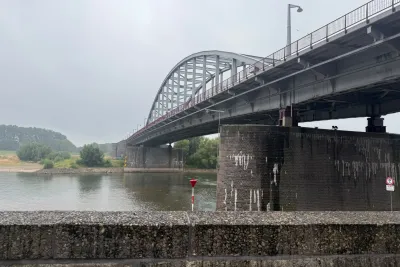
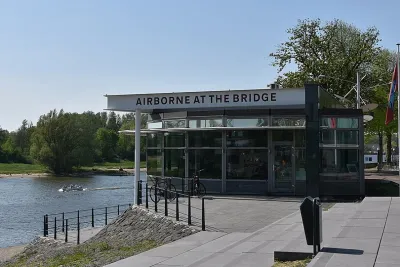
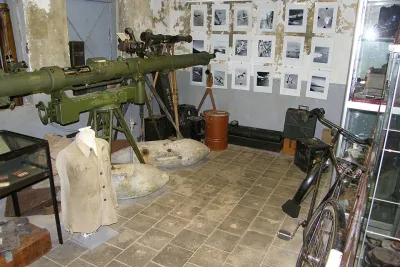
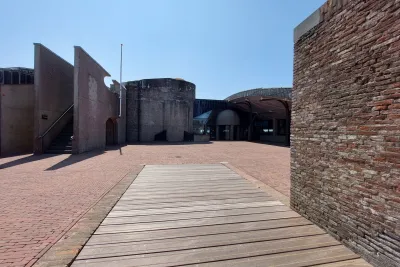
Today, visitors can explore a wide range of World War II historic sites across the Netherlands, including battlefields, military cemeteries, museums, bunkers, bridges, fortifications, memorials, and historic buildings. The region around Arnhem and Nijmegen is particularly associated with Operation Market Garden, where Allied airborne forces fought to secure a series of bridges in September 1944.
Other important locations are connected to the Battle of the Scheldt, the liberation of the southern Netherlands, and the final months of the war. Zeeland and the province of Noord-Brabant contain numerous sites associated with these campaigns, while places such as the National Monument Kamp Vught preserve the history of German persecution and imprisonment in the Netherlands.
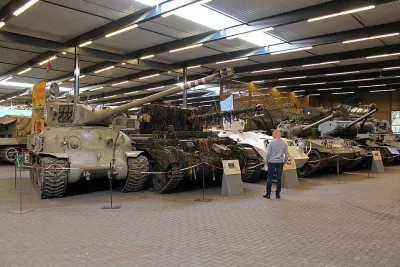
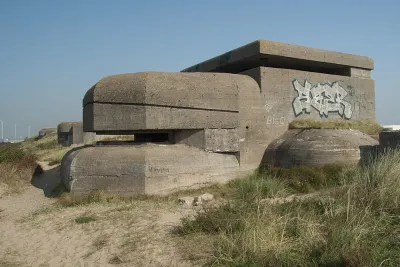
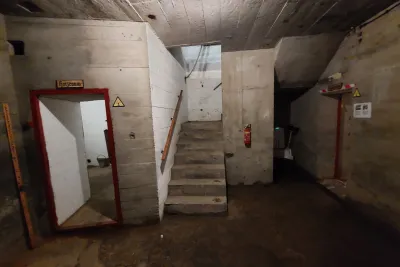
Across the country, preserved bunkers, wartime defenses, resistance sites, military cemeteries, and museums provide different perspectives on the occupation and liberation. Together, these places offer visitors an opportunity to explore the complex history of the Netherlands during World War II.
Plan your World War II trip with guides to museums, battlefields, memorials and historic sites worldwide. Discover the best WWII locations for your next tour.