
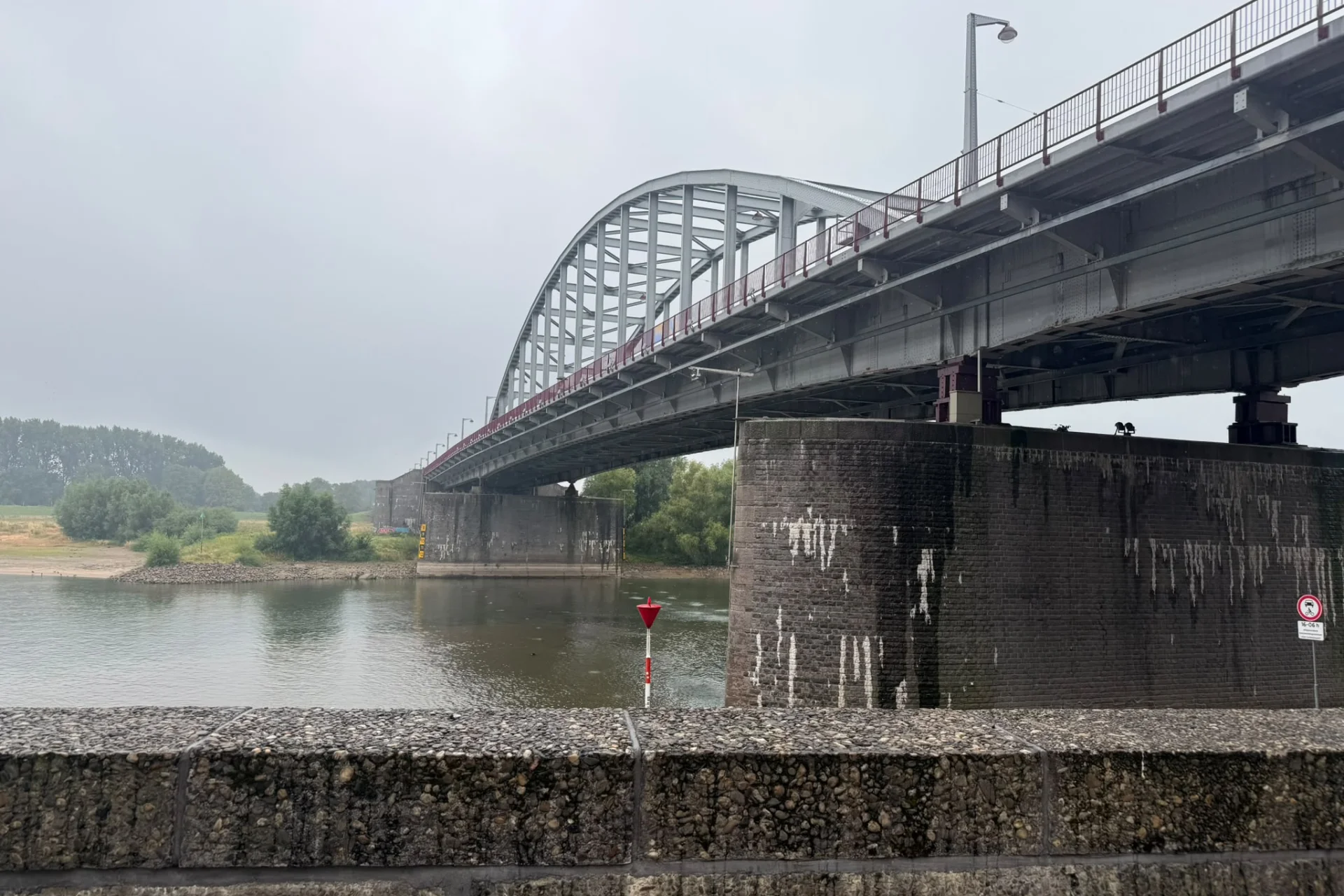
The Bridge of Arnhem, officially known as the John Frost Bridge, stands as a silent, powerful testament to one of the most audacious and tragic operations of World War II. For those who seek to connect with the raw emotion and immense sacrifice of that era, visiting this iconic location is not merely a trip; it's a pilgrimage to a pivotal site where history was carved with courage and determination.
Before the roar of war descended upon it, the Arnhem Road Bridge was a vital artery connecting the northern and southern banks of the Lower Rhine in the Netherlands. Its strategic importance was clear long before 1944. A sturdy steel structure, it offered the Allies a direct route into Germany, making it an irresistible target in their grand plans to hasten the end of the conflict. The serene river, the picturesque Dutch landscape—all would soon be irrevocably etched with the scars of battle.
In September 1944, the Bridge of Arnhem became the epicenter of Operation Market Garden, an ambitious Allied plan to secure several key bridges in the Netherlands and create a rapid advance into Germany. The British 1st Airborne Division, under Major General Roy Urquhart, was tasked with capturing this northernmost bridge. For four harrowing days, a small force, led by Lieutenant Colonel John Frost, valiantly held out against overwhelming German forces at the bridge's northern end. Against incredible odds, and with dwindling supplies and ammunition, they fought with extraordinary bravery. Their stand, immortalized in history and popular culture as "A Bridge Too Far," symbolizes both the heroic resilience of the Allied soldiers and the bitter cost of their ultimate failure to hold the bridge. The fighting was brutal, involving not just soldiers but also profoundly impacting the lives of local civilians caught in the crossfire.
Today, the John Frost Bridge stands rebuilt and restored, bearing little resemblance to the battle-scarred structure of 1944, yet its essence remains. Standing on its deck, one can gaze upon the same stretch of river that witnessed such fierce combat. The sounds of traffic now replace the echoes of gunfire, but the historical weight is palpable. Near the bridge, memorials pay tribute to the soldiers, both Allied and German, and the Dutch civilians who perished. The nearby Airborne Museum Hartenstein provides invaluable context, housing artifacts and stories from the battle. Visitors can reflect on the courage displayed, the human cost of war, and the resilience of the human spirit.
A visit to the Bridge of Arnhem offers a profound opportunity to walk in the footsteps of history. It is a place for solemn contemplation, remembrance, and understanding the profound impact of Operation Market Garden. As part of a broader World War II journey through the Netherlands, this site is indispensable. It connects directly to other significant locations such as the Airborne Museum, the Commonwealth War Graves Commission Cemetery at Oosterbeek, and the battlefields surrounding Arnhem. Engage with the history, honor the memory, and gain a deeper appreciation for the sacrifices made here for freedom.
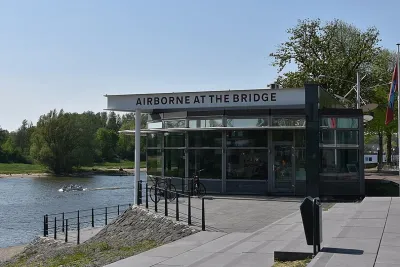
Explore the Airborne Museum at the Bridge in Arnhem, a poignant site of Operation Market Garden and the Battle of Arnhem. Witness history firsthand.
Rating: ★★★★☆
Plan your World War II trip with guides to museums, battlefields, memorials and historic sites worldwide. Discover the best WWII locations for your next tour.