
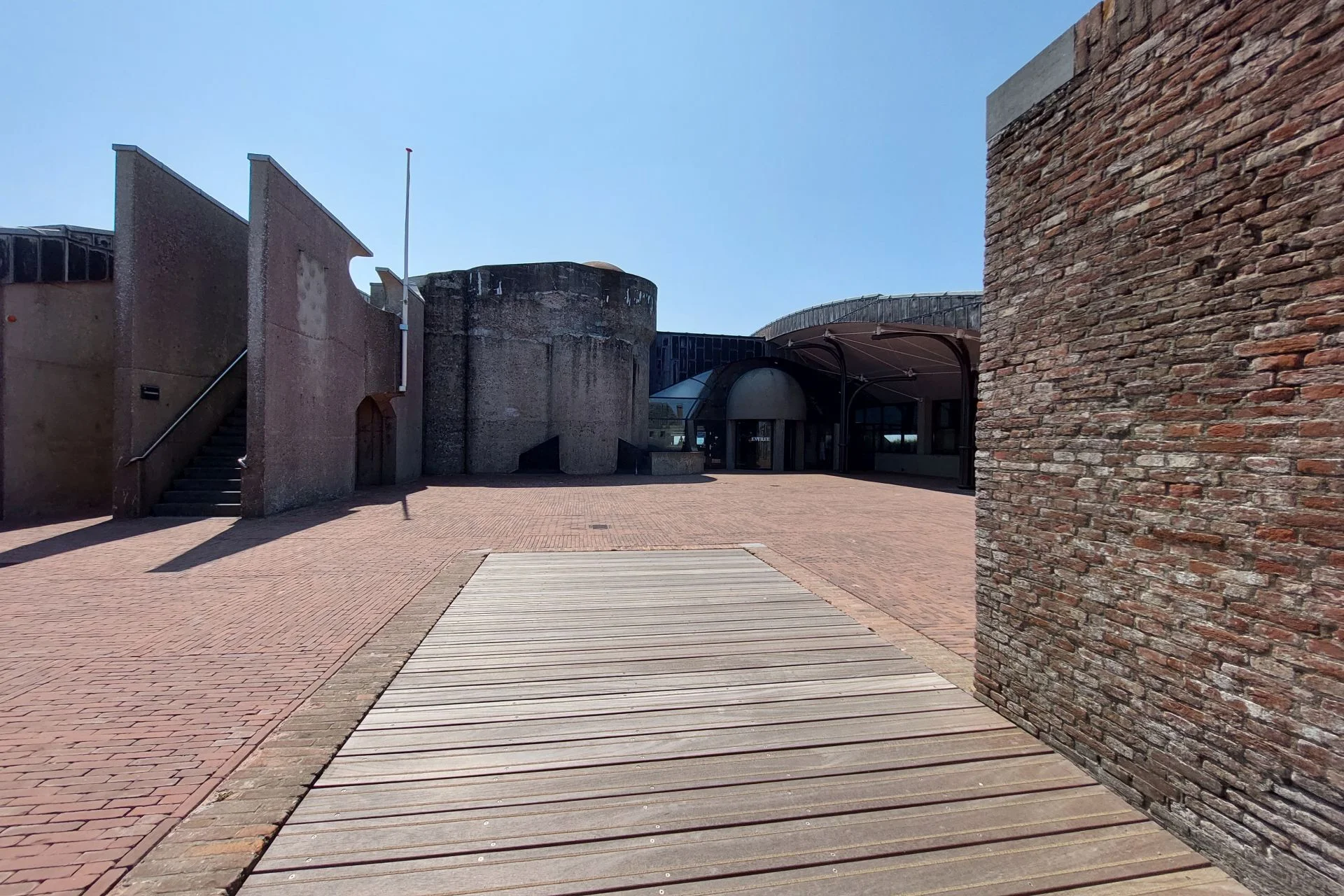
Standing resolute against the North Sea winds, Fort Kijkduin in Huisduinen, Netherlands, whispers tales of centuries of coastal defense, its stones now a silent testament to a world forever altered by conflict. For those seeking to walk in the footsteps of history, to truly grasp the scale and human endeavor behind the Atlantic Wall, this formidable fortress offers a profound and immersive journey back to World War II.
Originally commissioned by Napoleon Bonaparte in the early 19th century, Fort Kijkduin was designed as a crucial part of the defenses for the strategic port of Den Helder, protecting the Dutch naval base. Its robust construction, featuring thick walls and a unique subterranean tunnel system, made it an enduring symbol of Dutch coastal sovereignty through changing eras. Over decades, it adapted to new military technologies, but its core purpose remained: to guard the coastline.
With the occupation of the Netherlands in May 1940, the German Wehrmacht quickly recognized the strategic value of Den Helder and Fort Kijkduin. The fort became an integral component of Hitler’s vast Atlantic Wall—a defensive line stretching from Norway to the Spanish border. German forces fortified Kijkduin further, integrating their own concrete bunkers, observation posts, and anti-aircraft positions into the existing structure. It served as a critical strongpoint (Stützpunkt) protecting the approaches to Den Helder's U-boat pens and naval facilities. While no major land battles unfolded directly at its gates, the fort was a constant presence, its guns and garrisons prepared for an Allied invasion that ultimately came elsewhere. Life within its walls, and for the local population, was shaped by the daily realities of occupation, surveillance, and the constant threat of war.
Today, Fort Kijkduin invites visitors to explore its layered history. You can wander through the vast network of underground corridors, the very passages once patrolled by soldiers, feeling the cool, damp air that has clung to these walls for decades. The museum within the fort provides detailed insights into its construction, its role during various conflicts, and its particular significance during World War II, offering authentic artifacts and historical accounts. From its battlements, panoramic views of the North Sea stretch out, allowing reflection on the immense task of defending such a vast coastline. While the fort also houses a modern aquarium, it is the tangible remnants of its military past, especially its Atlantic Wall modifications, that resonate most deeply.
Visiting Fort Kijkduin is more than just a historical excursion; it is an opportunity to connect with the physical remnants of a pivotal era. Standing where soldiers stood, gazing out at the same sea they guarded, offers a unique perspective on the challenges and realities of World War II coastal defense. It provides a tangible understanding of the Atlantic Wall's immense scale and its impact on occupied territories. For those on a World War II history journey, Fort Kijkduin serves as a powerful reminder of human resilience, the strategic importance of geography, and the enduring echoes of history embedded in the landscape. It is a place that encourages respectful reflection on the human cost of conflict and the importance of preserving these vital chapters for future generations.
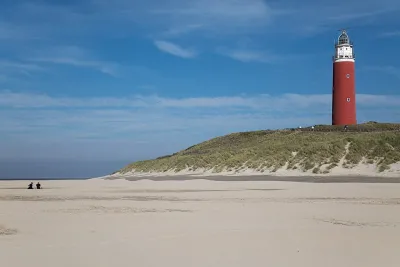
Discover the Texel Lighthouse, a silent witness to the Georgian Uprising and Europe's last WW2 battles. Experience history at this iconic Dutch landmark.
Rating: ★★★★☆
Plan your World War II trip with guides to museums, battlefields, memorials and historic sites worldwide. Discover the best WWII locations for your next tour.