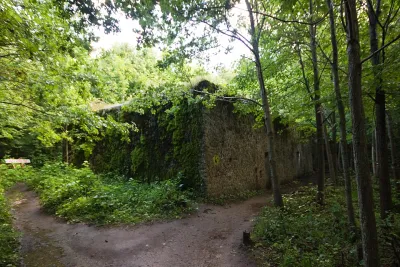
Poland was at the center of the European theater of World War II. The German invasion of Poland on September 1, 1939, marked the beginning of the war in Europe, followed by the Soviet invasion from the east. Poland then remained under brutal German and Soviet occupation, with millions of civilians and soldiers killed during the conflict.
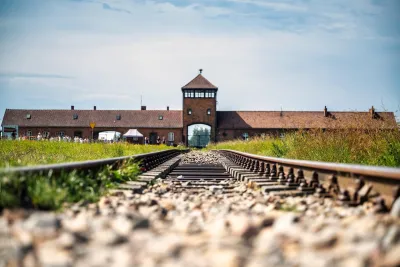
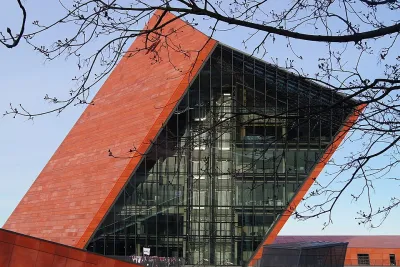
Today, visitors can explore a wide range of World War II historic sites across Poland, including battlefields, museums, fortifications, memorials, cemeteries, and former concentration and extermination camps. Major sites such as the Auschwitz-Birkenau Memorial and Museum, the Warsaw Uprising Museum, and Westerplatte preserve important chapters of Poland's wartime history.
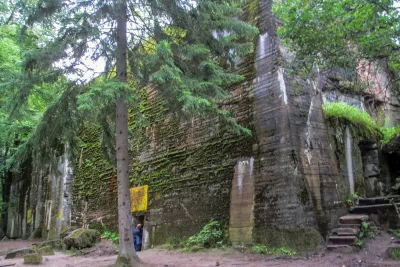
Other significant locations are connected to the German occupation, the Warsaw Uprising of 1944, the Polish Resistance, the invasion of 1939, and major battles on the Eastern Front. Sites such as the Wolf's Lair, the former German headquarters in Masuria, and the remnants of the Atlantic Wall and other military fortifications provide further insight into the war.
Together, these places offer visitors the opportunity to explore Poland's wartime history, from the invasion and occupation of 1939 to the resistance, the Holocaust, the Warsaw Uprising, and the final battles on Polish territory in 1945.
Plan your World War II trip with guides to museums, battlefields, memorials and historic sites worldwide. Discover the best WWII locations for your next tour.