
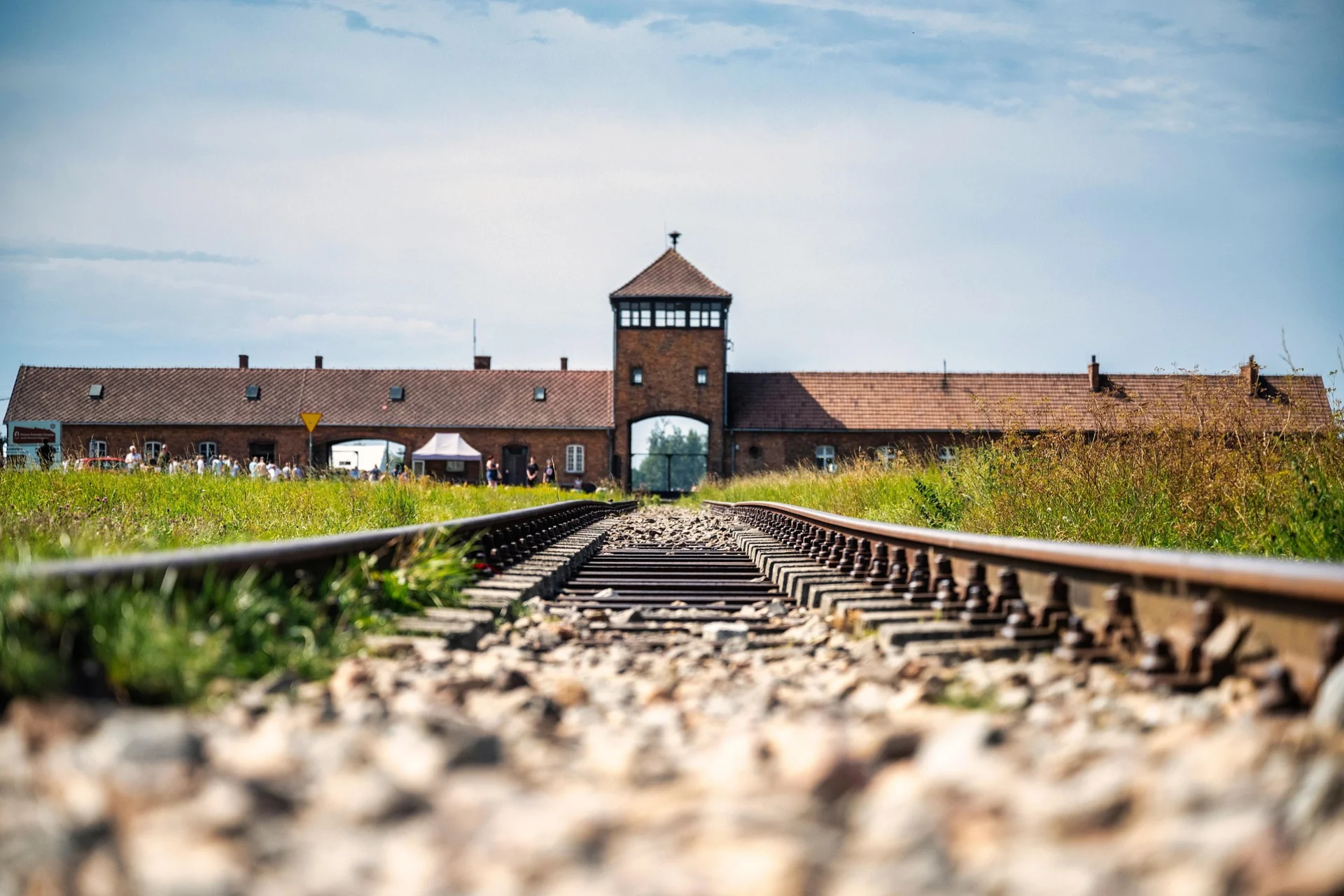
Standing on the ground of Auschwitz-Birkenau is to confront one of the darkest chapters in human history. This former Nazi concentration and extermination camp, now a UNESCO World Heritage site, is not merely a destination, but a profound and essential pilgrimage for anyone seeking to understand the depths of World War II and its enduring legacy.
Established by Nazi Germany in occupied Poland in 1940, Auschwitz I initially served as a concentration camp for Polish political prisoners. However, with the escalation of World War II and the implementation of the "Final Solution," it quickly expanded into a vast complex, with Auschwitz II-Birkenau becoming the principal site for the systematic extermination of Jews from across Europe, alongside Roma, Soviet prisoners of war, and other persecuted groups. It was here that the industrialized murder of millions was carried out with chilling efficiency, transforming a quiet Polish landscape into a symbol of unparalleled atrocity.
Auschwitz-Birkenau stands as the largest and most lethal of the Nazi concentration and extermination camps. Its role during World War II was central to the Holocaust, representing the ultimate horror of genocide. The camp complex, encompassing Auschwitz I, Auschwitz II-Birkenau, and Auschwitz III-Monowitz (a labor camp), became the epicenter of the Nazi regime's systematic effort to annihilate entire peoples. The sheer scale of suffering and death here, estimated at 1.1 million people, primarily Jews, makes it a critical historical touchstone. It embodies the catastrophic consequences of hatred and fanaticism, serving as a stark warning to future generations.
Today, the Auschwitz-Birkenau Memorial and Museum preserves the authentic site for visitors to bear witness. You can walk through the original brick barracks of Auschwitz I, see the remains of the gas chambers and crematoria at Birkenau, and trace the path taken by countless victims along the railway tracks. Extensive exhibitions, personal artifacts, and poignant testimonies powerfully convey the lives lost and the unspeakable cruelty endured. The sheer scale of Birkenau, with its watchtowers, barbed wire, and countless chimneys, is a chilling reminder of the camp’s immense size and purpose. Guided tours are highly recommended to gain a comprehensive and respectful understanding of this complex history.
Visiting Auschwitz-Birkenau is an emotionally challenging but historically vital experience. It demands solemn reflection and respect for the victims. It's a journey into the past that forces introspection and fosters a deeper appreciation for human dignity and peace. To stand where so many suffered is to feel the weight of history and to commit to never forgetting. This location is an indispensable part of any World War II history journey, offering an unparalleled opportunity to connect with the raw, unfiltered truth of the past and to affirm our collective responsibility to humanity.
Plan your World War II trip with guides to museums, battlefields, memorials and historic sites worldwide. Discover the best WWII locations for your next tour.