On December 7, 1941, the tranquil morning at Pearl Harbor was shattered by a surprise attack from the Imperial Japanese Navy. This devastating assault marked the United States' entry into World War II, forever altering the course of global history and leaving an indelible mark on the American psyche.
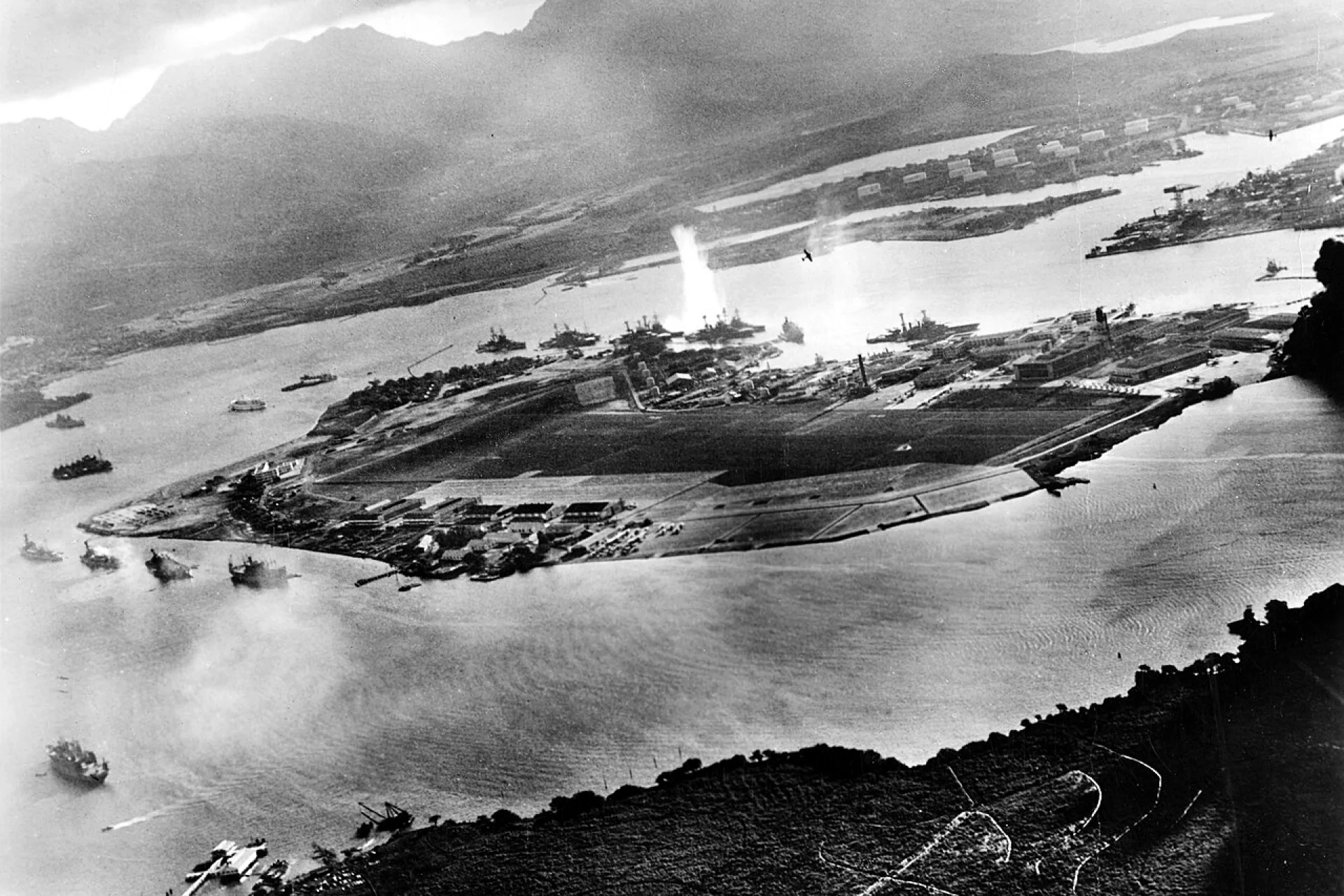
The attack on Pearl Harbor was the culmination of escalating tensions between Japan and the United States over geopolitical ambitions in the Pacific. Seeking to cripple the U.S. Pacific Fleet and deter American intervention in its planned Southeast Asian conquests, Japan launched a meticulously planned aerial assault without a formal declaration of war. In two waves, 353 Japanese aircraft descended upon the naval base, targeting battleships, airfields, and other crucial infrastructure.
The devastation was profound: eight U.S. Navy battleships were damaged, with four sunk, including the USS Arizona, which suffered catastrophic explosions and sank with 1,177 crewmen aboard. Over 2,400 Americans, both military personnel and civilians, lost their lives, and approximately 1,000 more were wounded. The sheer audacity and brutality of the attack, particularly against an unprepared military base, galvanized a previously isolationist American public. President Franklin D. Roosevelt famously declared December 7th “a date which will live in infamy,” and the following day, the United States declared war on Japan, irrevocably drawing America into the global conflict.
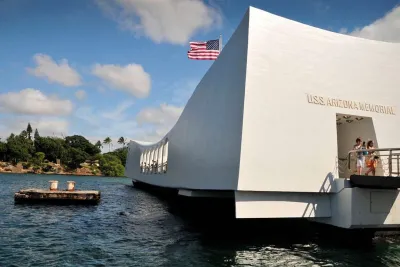
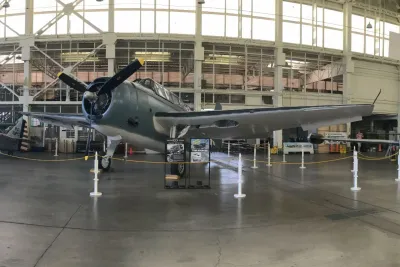
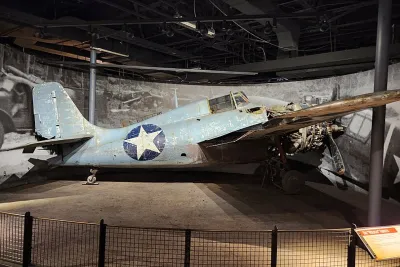
Today, Pearl Harbor stands as a solemn memorial, a powerful educational site, and a testament to the resilience of the human spirit. The Pearl Harbor National Memorial encompasses several poignant sites. The most iconic is the USS Arizona Memorial, a white structure spanning the sunken battleship, accessible only by boat, offering a moment of quiet reflection over the graves of those entombed within. Visitors can also explore the USS Missouri Battleship Memorial, where the formal surrender of Japan took place, bringing World War II to an end. Other sites include the Pacific Fleet Submarine Museum, offering insight into undersea warfare, and the Pearl Harbor Aviation Museum, showcasing historical aircraft and the stories of their crews. The visitor experience is deeply moving, combining strict historical accounts with the emotional gravitas of the events that unfolded here.
Planning a visit to Pearl Harbor requires respectful preparation. Due to high demand, it is highly recommended to reserve tickets for the USS Arizona Memorial well in advance online. Security is strict; no bags of any size are allowed within the memorial sites, though lockers are available for a fee. Dress respectfully, as this is a place of remembrance for significant loss of life. Allocate a full day to properly experience all the attractions, as each offers unique perspectives on the attack and its aftermath. Consider exploring nearby historic sites in Honolulu that offer further insights into Hawaii's role in the war.
Plan your World War II trip with guides to museums, battlefields, memorials and historic sites worldwide. Discover the best WWII locations for your next tour.