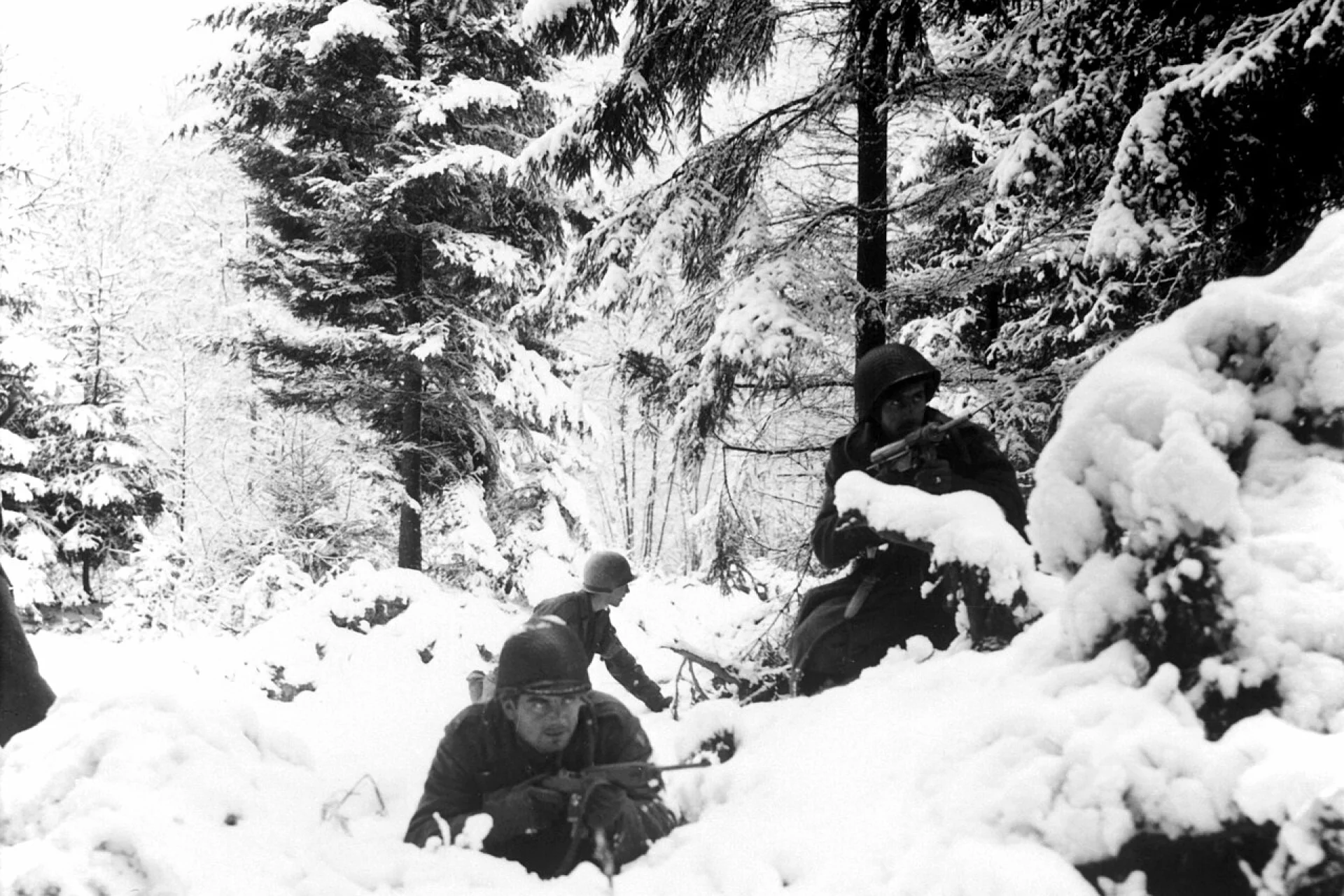
The Ardennes Offensive, famously known as the Battle of the Bulge, was Nazi Germany’s last major offensive on the Western Front during World War II, a desperate gambit to turn the tide of war. Bastogne, a strategically vital crossroads town in Belgium, became the epicenter of this brutal winter campaign, witnessing an extraordinary siege and a testament to Allied resilience against overwhelming odds. It is a place where heroism, suffering, and the ultimate cost of war are profoundly etched into the landscape.
Key Facts
In December 1944, as Allied forces advanced towards Germany, Hitler launched a surprise counter-offensive through the heavily forested Ardennes. His aim was to split the Allied lines, capture the port of Antwerp, and force a separate peace on the Western Allies. The thrust created a 'bulge' in the Allied front, giving the battle its enduring name. Central to this audacious plan was the capture of Bastogne, a crucial hub for seven major roads, without which German armored divisions could not effectively advance. The town was defended primarily by elements of the U.S. 101st Airborne Division, the 10th Armored Division, and other units, who quickly found themselves encircled by vastly superior German forces. Despite freezing temperatures, dwindling supplies, and relentless shelling, the defenders held firm. When asked to surrender, Brigadier General Anthony McAuliffe famously replied, “Nuts!” The unwavering defense of Bastogne, coupled with a determined Allied counterattack and eventual air support, broke the German offensive, though not without tremendous cost in human lives on all sides, including civilians caught in the crossfire. The battle delayed the Allied advance but ultimately crippled Germany’s capacity to wage war on the Western Front.
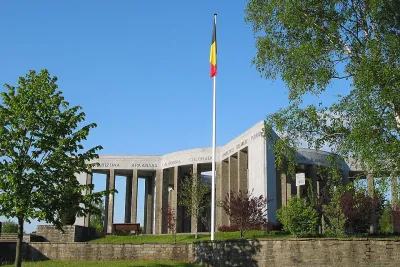
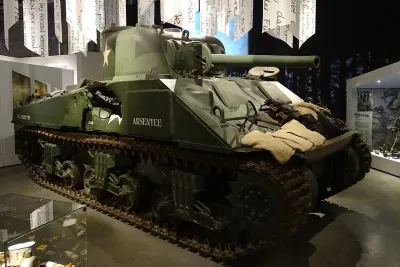
Visiting Bastogne today is a deeply moving experience that allows for direct engagement with this pivotal chapter of World War II. The Bastogne War Museum offers a modern, immersive journey through the causes, events, and aftermath of the battle, focusing on the human stories of soldiers and civilians. Nearby, the majestic Mardasson Memorial, a five-pointed star structure, stands as a powerful tribute to the American soldiers who fought in the Ardennes. Visitors can also explore preserved foxholes in the Bois Jacques (Jack's Wood), where the 'Band of Brothers' Easy Company famously endured the siege. In the heart of Bastogne, General McAuliffe Square features a Sherman tank and a bust of the general, marking the town's enduring gratitude. Numerous small memorials, monuments, and battlefield remnants dot the surrounding landscape, inviting respectful reflection on the immense sacrifice made here.
Allow at least a full day, if not two, to truly absorb the history of Bastogne and its surroundings. Start at the Bastogne War Museum to gain essential context before exploring the outdoor sites. Guided tours are highly recommended to bring the battlefields to life with expert commentary. Wear comfortable, weather-appropriate footwear, especially if you plan to walk through the Bois Jacques. Consider visiting during the shoulder seasons (spring or fall) to avoid summer crowds. Nearby WWII sites include the Schumann's Eck Memorial in Luxembourg and various museums and memorials scattered throughout the wider Ardennes region. Always approach these historical sites with respect, remembering the immense human cost of the conflict.
Plan your World War II trip with guides to museums, battlefields, memorials and historic sites worldwide. Discover the best WWII locations for your next tour.