 Photo: LEFFRINCKOUCKE / Wikimedia Commons / License: CC BY-SA 4.0
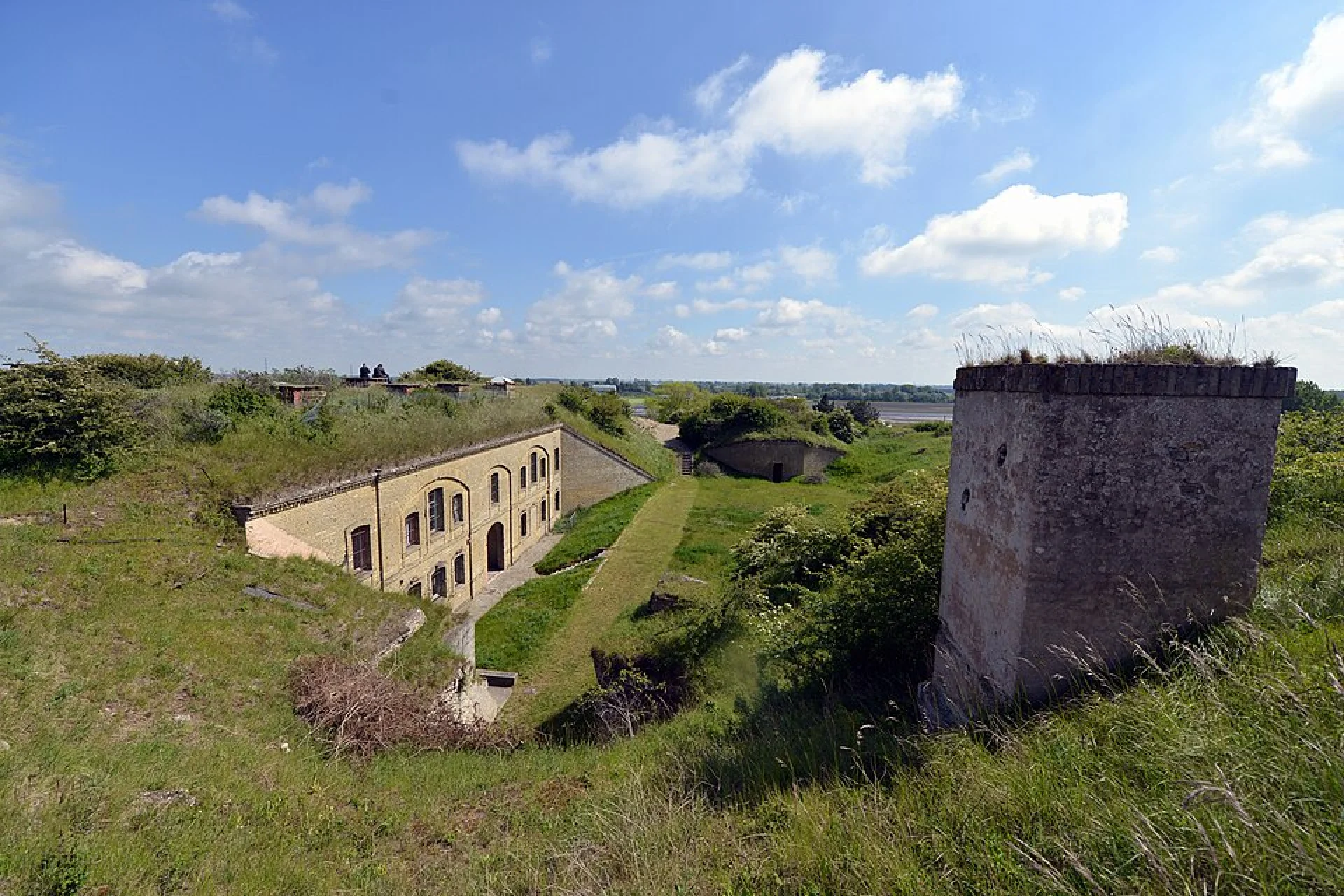
The Fort des Dunes in Leffrinckoucke stands as a solemn witness to the tumultuous events of World War II, particularly its pivotal role during the Battle of Dunkirk. Originally a 19th-century coastal defense, its strategic position transformed it into a crucial stronghold for Allied forces attempting to evacuate from the Dunkirk Pocket. Today, it serves as a powerful memorial and museum, preserving the memory of those who fought and perished there.
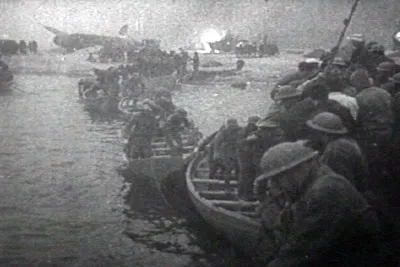
Built as part of the Séré de Rivières system, Fort des Dunes found itself at the heart of the Western Front in May 1940. As German forces trapped Allied soldiers in the "Dunkirk Pocket," the Fort became a vital strongpoint on the eastern flank of the defensive perimeter. Under French Admiral Platon, it served as a significant command post, coordinating defense and providing crucial covering fire for Operation Dynamo's evacuation efforts.
The fort endured intense bombardments and fierce fighting as French and British troops held the line against overwhelming odds. On June 2nd, 1940, it was tragically bombed by German aircraft, resulting in significant casualties, including Admiral Platon. Despite the devastation, the courageous resistance at Fort des Dunes bought precious time for the evacuation of over 338,000 Allied soldiers. Its stand exemplifies the desperate heroism and sacrifice made during one of the war's most critical early phases.
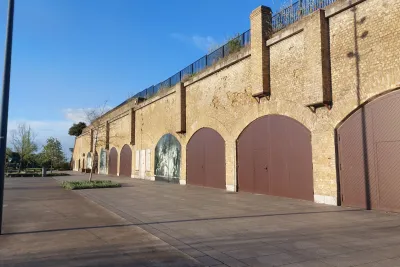
Visitors to Fort des Dunes today can explore the well-preserved bunkers, casemates, and underground passages that echo with the history of the Battle of Dunkirk. The site has been meticulously maintained and transformed into a museum, offering a poignant journey through the events of May and June 1940. Exhibitions feature artifacts, photographs, and personal testimonies, bringing the human stories of the soldiers and civilians involved to life. The scars of battle are still visible on the fort's robust concrete and brickwork, providing a tangible connection to the past. Walking through its corridors, one can almost feel the tension and hear the echoes of the intense fighting that took place. The memorial to Admiral Platon and the French defenders serves as a solemn reminder of the sacrifice made on these grounds.
Fort des Dunes is located at Chem. du Fort, 59495 Leffrinckoucke, easily accessible from Dunkirk. Allow at least 2-3 hours to fully explore the fort and its museum. Comfortable shoes are highly recommended as there is a significant amount of walking, much of it outdoors and on uneven terrain. The site can be chilly, so bringing an extra layer of clothing is advisable, especially for underground sections. Combine your visit with other significant WWII sites in the Dunkirk area, such as the Dunkirk 1940 Museum and the memorial beaches, to gain a comprehensive understanding of Operation Dynamo. Parking is available on site.
Plan your World War II trip with guides to museums, battlefields, memorials and historic sites worldwide. Discover the best WWII locations for your next tour.