
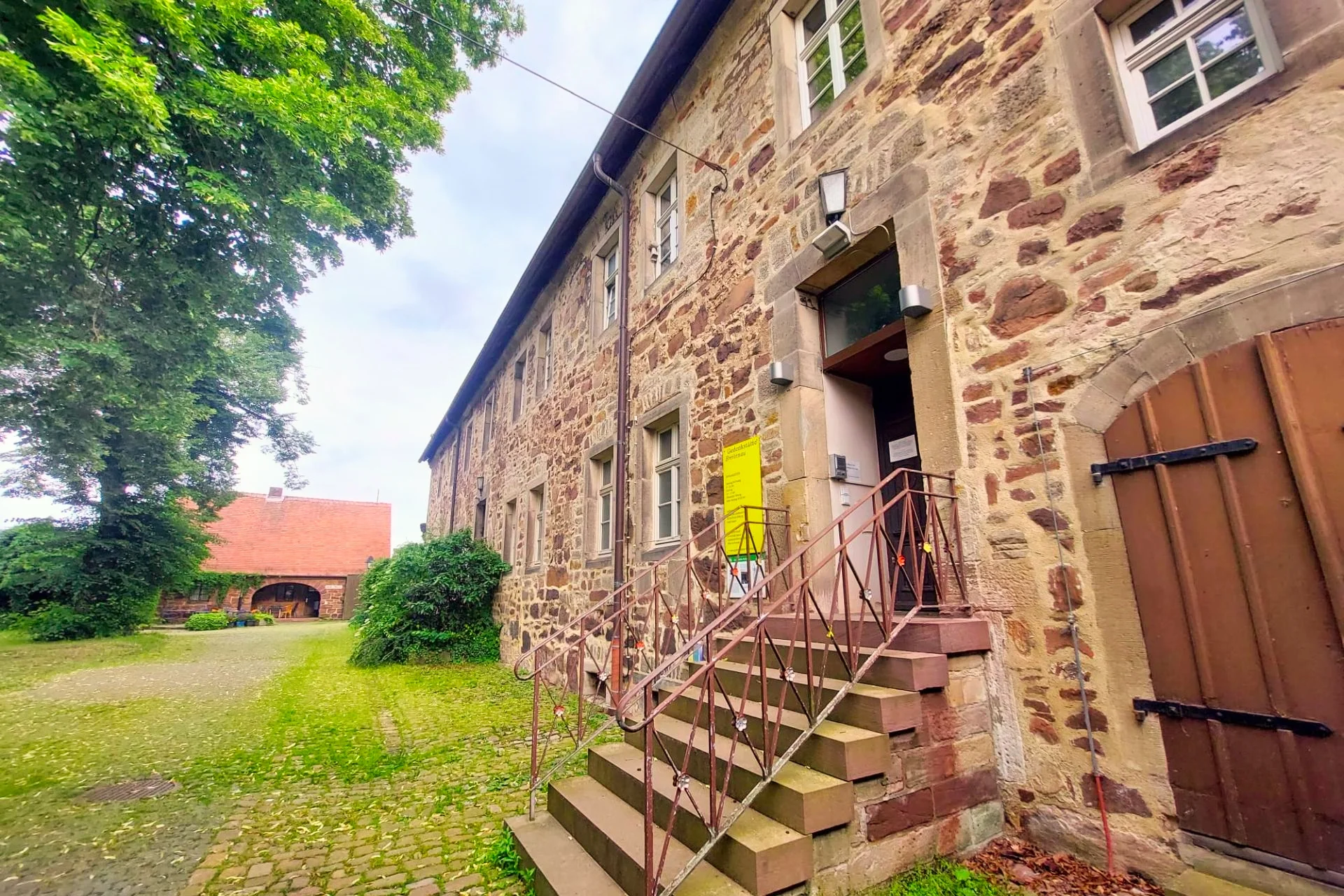
The echo of history resonates deeply in places where human dignity was systematically stripped away. The Breitenau Concentration Camp Memorial stands as one such profound site, urging visitors to bear witness to the early brutality of the Nazi regime.
Nestled in Guxhagen-Breitenau, Germany, the site's history predates the Second World War. Originally a Benedictine monastery and later a correctional facility, its transformation into a place of terror began immediately with the Nazi seizure of power. In June 1933, Breitenau became one of the very first concentration camps in Germany, specifically designed for political opponents and individuals deemed 'undesirable' by the new regime. It served as a stark precursor to the widespread system of camps that would follow, a chilling indicator of the violence to come.
While initially closed in 1934, Breitenau's gates reopened in 1940, repurposed as an "Arbeitserziehungslager" – a 'work education camp' – under the control of the Gestapo. This was a euphemism for a brutal forced labor camp where people were subjected to severe physical and psychological torment. Here, individuals from across Europe, including foreign forced laborers, political prisoners, Jewish citizens, and others considered 'asocial', were incarcerated and exploited. Their daily lives were a struggle against starvation, harsh conditions, and relentless work, all designed to break their spirit and extract labor for the Nazi war effort. Breitenau's role highlights the pervasive nature of Nazi terror, reaching far beyond the well-known extermination camps, into the fabric of daily life and labor.
Today, the Breitenau Concentration Camp Memorial is a place of profound remembrance and education. While much of the original camp infrastructure has been repurposed, the memorial foundation has meticulously documented its history. Visitors can explore a comprehensive exhibition within the former monastery building, which delves into the lives of the prisoners, the camp's administration, and its evolution. Testimonies, documents, and artifacts bring the personal stories of those persecuted to light, ensuring their experiences are not forgotten. The quiet atmosphere of the site encourages reflection and a deeper understanding of the injustices committed.
As part of a World War II history journey, visiting Breitenau offers a unique perspective on the early stages and the insidious spread of Nazi terror. It's a crucial site for understanding how political dissent was crushed and how the systematic persecution of various groups began. Standing on this ground, you connect directly with the beginning of a dark chapter in human history. It serves as a powerful reminder of the fragility of freedom and the importance of vigilance. A visit to Breitenau is not just a journey through history, but a profound lesson in humanity, ensuring that the victims are remembered and the lessons of the past are never forgotten.
Explore the Weinbergbunker in Kassel, a key air-raid shelter for civilians during WWII. Understand the human experience of survival under relentless bombing.
Rating: ★★★★☆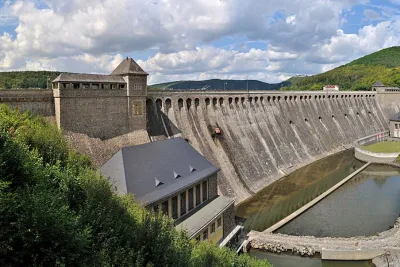
Visit the Eder Dam, a key target of the Dambusters Raid, and immerse yourself in its WWII history. Discover the strategic importance and engineering marvel in Germany.
Rating: ★★★★☆
Explore the Edersee Visitor Center, a pivotal site targeted during the iconic Dam Busters raid of WWII. Discover its history, impact, and what to experience today.
Rating: ★★★☆☆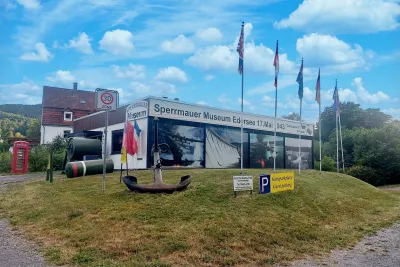
Explore the Sperrmauer Museum and the history of the Edersee Dam, a critical target during Operation Chastise in WWII. Discover its impact and legacy.
Rating: ★★★☆☆
Explore Gedenkstätte und Museum Trutzhain, a former WWII POW camp (Stalag IX A) and post-war Displaced Persons camp. A powerful site of human resilience.
Rating: ★★★★☆
Plan your World War II trip with guides to museums, battlefields, memorials and historic sites worldwide. Discover the best WWII locations for your next tour.