
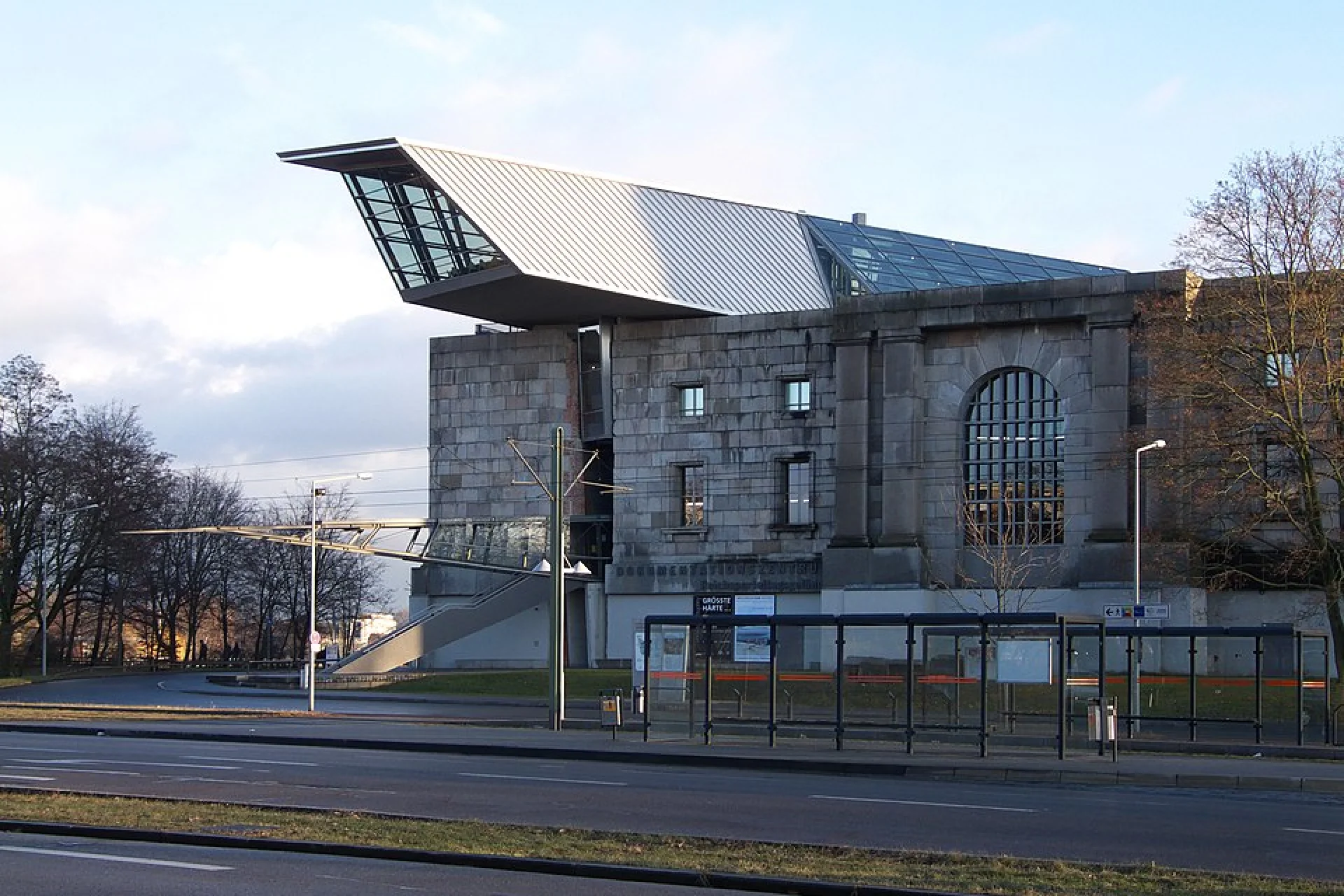
The very air around the Dokumentationszentrum Reichsparteitagsgelände in Nuremberg feels heavy with the echoes of a dark past. Here, on what were once sprawling parade grounds, a regime of terror sought to solidify its power and mesmerize a nation. Today, the Documentation Center serves as a vital counterpoint, a place of profound reflection that confronts the chilling realities of its origins.
Nuremberg, with its medieval charm, was tragically co-opted by the Nazi Party in the 1930s to become the 'City of the Party Rallies.' From 1933 onwards, vast structures were planned and partially built across an enormous 11-square-kilometer area (approximately 4.2 square miles) to host the annual Nazi Party Rallies. These monumental, often unfinished, architectural projects by Albert Speer were designed to impress, intimidate, and demonstrate the regime's power and supposed eternal reign. The scale was staggering, intended to create a theatrical backdrop for mass rallies, parades, and propaganda speeches.
Before and during the early years of World War II, the Party Rally Grounds were the stage for meticulously orchestrated spectacles. Here, hundreds of thousands of party members and civilians were gathered to witness Hitler's speeches, military parades, and torchlight processions. These events were not mere political meetings; they were carefully choreographed performances designed to foster a cult of personality, instill unwavering obedience, and propagate racist and expansionist ideologies that would plunge the world into conflict. The grounds, therefore, represent the very heart of the Nazi propaganda machine, a physical manifestation of their intent to control and dominate.
Today, the Documentation Center is housed in the colossal, unfinished Congress Hall, a testament to Nazi grandiosity. Its permanent exhibition, "Fascination and Terror," meticulously details the causes, context, and consequences of the Nazi Party Rallies. Through historical photographs, documents, film footage, and artifacts, visitors gain insight into the propaganda, the victims, and the structures themselves. An audio guide enhances the experience, allowing for personal exploration of the exhibition and the extensive outdoor grounds, including the Zeppelin Field and the Great Road. Standing within these vast, silent spaces evokes a potent sense of history, prompting contemplation on totalitarianism and its impact.
To walk the former Nazi Party Rally Grounds and explore the Documentation Center is to undertake a crucial historical journey. It is a place of remembrance, education, and warning. For those seeking to understand the mechanisms of propaganda, the rise of totalitarianism, and the human cost of hatred, this site is indispensable. It offers a unique opportunity to stand where history unfolded, to learn from past mistakes, and to reflect on the importance of human dignity and democratic values. A visit here is not just about observing history; it's about engaging with it, ensuring that its vital lessons are never forgotten.
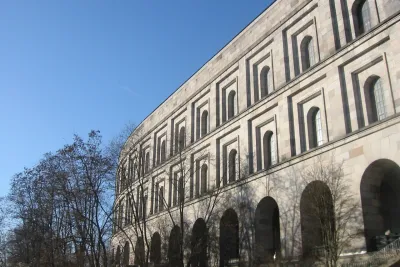
Explore Nuremberg's Kongresshalle, a monumental relic of Nazi architecture and a poignant symbol of a dark era. Understand its WWII significance.
Rating: ★★★★☆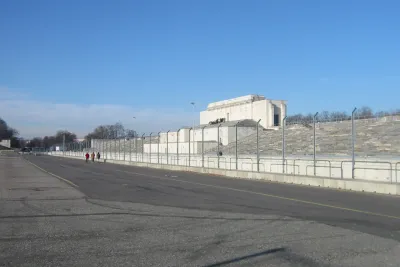
Explore Zeppelinfeld in Nuremberg, a chilling WWII historic site where grand Nazi rallies once unfolded. Understand its dark past and profound significance.
Rating: ★★★★☆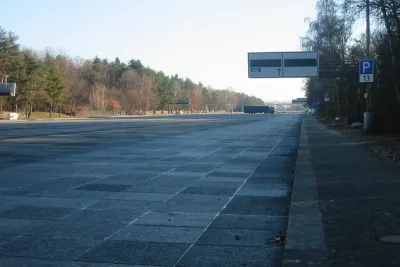
Explore Große Straße in Nuremberg, the monumental Nazi rally road. Stand where history was made and reflect on WWII's profound impact.
Rating: ★★★★☆
Plan your World War II trip with guides to museums, battlefields, memorials and historic sites worldwide. Discover the best WWII locations for your next tour.