
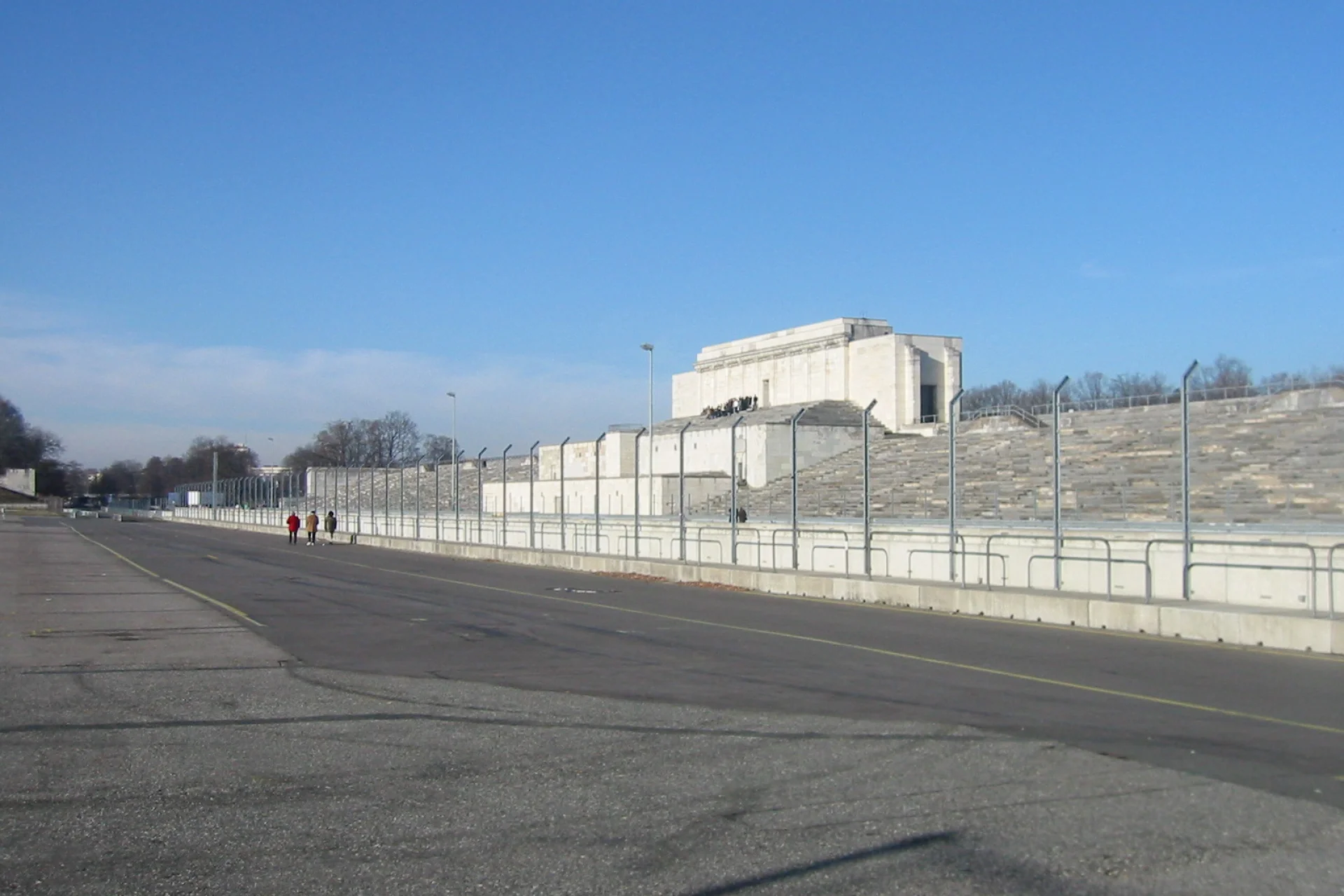
In the heart of Nuremberg, Germany, lies a vast expanse of concrete and stone known as the Zeppelinfeld. Conceived by Adolf Hitler and meticulously designed by his chief architect, Albert Speer, this monumental site was one of the central components of the sprawling Nazi Party Rally Grounds (Reichsparteitagsgelände). Construction began in 1933, transforming a former field into an imposing arena capable of holding hundreds of thousands. The Zeppelinfeld was engineered to be a stage for theatrical displays of power, featuring a grandstand (the Zeppelintribüne) with a central speaker's podium, surrounded by towering flag masts and adorned with eagles and swastikas. It was a calculated architectural statement, meant to overwhelm and indoctrinate the masses, symbolizing the Third Reich's ambition and perceived invincibility.
The Zeppelinfeld's role during World War II was less about direct combat and more about the ideological foundations that led to the conflict. From 1933 to 1938, it served as the primary venue for the infamous Nazi Party Rallies (Reichsparteitage), grand annual spectacles designed to consolidate Hitler's power, mobilize support, and project an image of national unity and strength. Here, under a blaze of searchlights and before an ocean of saluting followers, Hitler delivered his most inflammatory speeches, propagating his doctrines of racial purity, territorial expansion, and anti-Semitism. These rallies, captured in Leni Riefenstahl's propaganda film "Triumph of the Will," were crucial tools for mass manipulation, showcasing the terrifying effectiveness of fascist propaganda and laying the groundwork for the atrocities that would follow. The sheer scale of these events at Zeppelinfeld underscored the regime's totalitarian grip and its preparation for war.
Today, the Zeppelinfeld stands as a stark, skeletal reminder of its dark past. While much of the Zeppelintribüne was dynamited by the U.S. Army in 1945 to remove its symbolic power, and further demolished over the decades, visitors can still walk across the vast parade ground and witness the remains of the grandstand. The imposing scale of the original design is still palpable, evoking a profound sense of the regime's colossal ambition. Information panels provide historical context, helping visitors understand the events that unfolded here. Adjacent to the site is the excellent Documentation Centre Nazi Party Rally Grounds, which offers a comprehensive and critical examination of the rallies, their propaganda, and the devastating consequences of Nazi ideology.
A visit to the Zeppelinfeld is a crucial, somber experience for anyone seeking to understand the origins and impact of World War II. Standing on this ground offers a unique opportunity to reflect on the nature of totalitarianism and the importance of vigilance against its resurgence. It is not merely a historical site but a potent educational space, urging visitors to remember the victims and learn from the catastrophic lessons of the past. Combining your visit with the Documentation Centre and the Nuremberg Trials Memorial at the Palace of Justice creates a comprehensive and deeply moving journey into one of history's darkest chapters, inspiring a commitment to peace and human dignity.
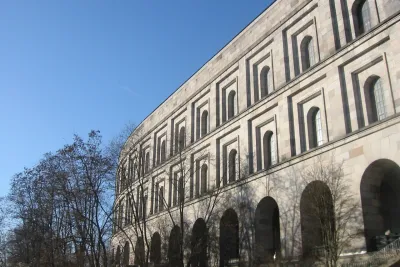
Explore Nuremberg's Kongresshalle, a monumental relic of Nazi architecture and a poignant symbol of a dark era. Understand its WWII significance.
Rating: ★★★★☆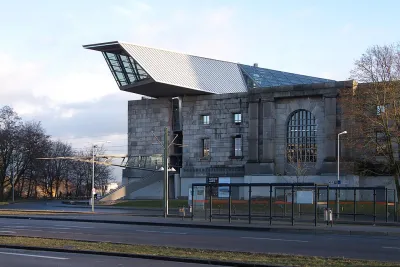
Explore the former Nazi Party Rally Grounds in Nuremberg, Germany. The Documentation Center reveals the chilling history and propaganda of the Third Reich.
Rating: ★★★★★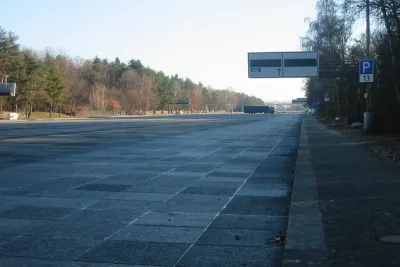
Explore Große Straße in Nuremberg, the monumental Nazi rally road. Stand where history was made and reflect on WWII's profound impact.
Rating: ★★★★☆
Plan your World War II trip with guides to museums, battlefields, memorials and historic sites worldwide. Discover the best WWII locations for your next tour.