
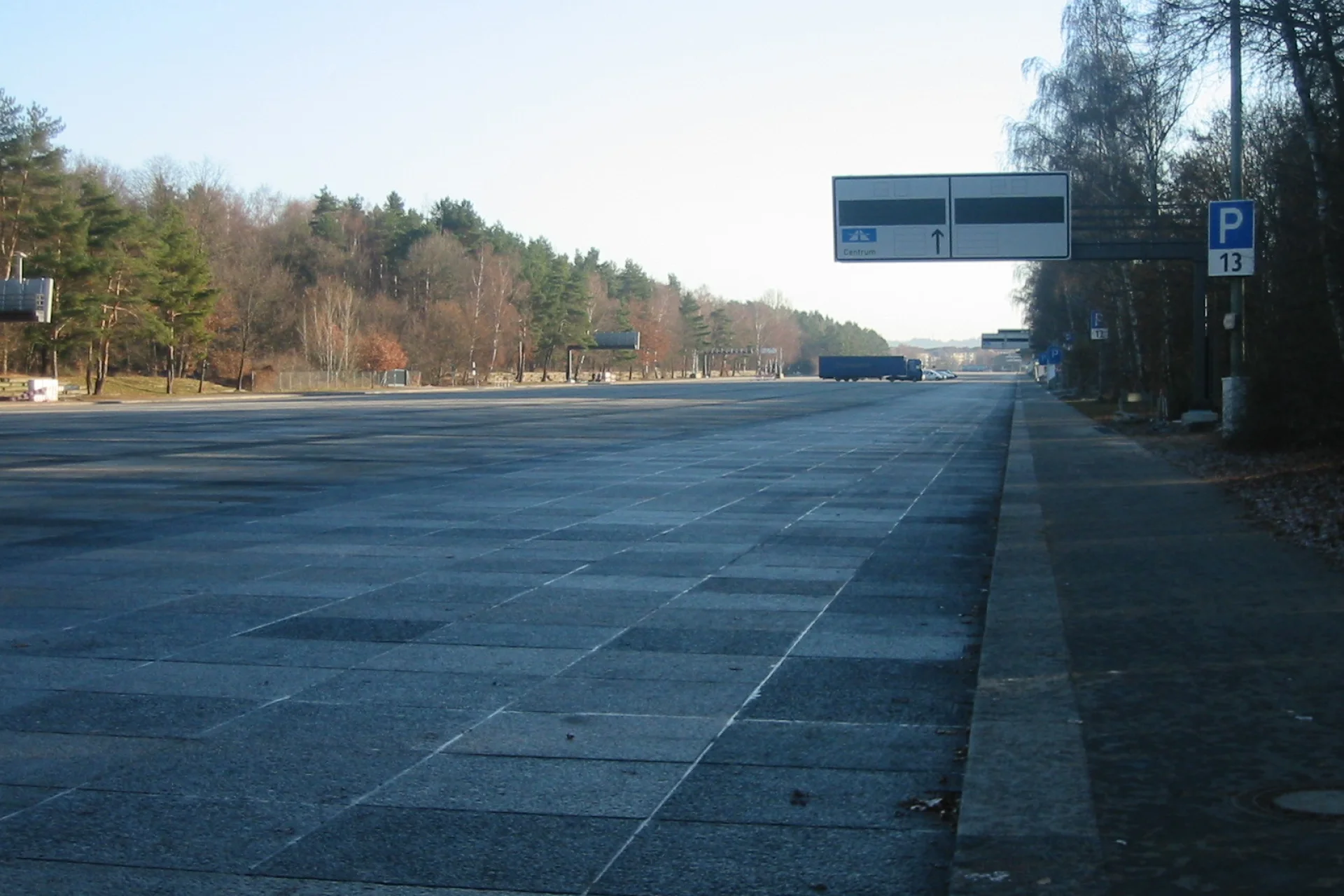
Nuremberg, a city steeped in medieval charm, bears a profound and indelible scar from the 20th century. During the interwar years, it was designated the "City of the Nazi Party Rallies" (Stadt der Reichsparteitage), becoming a central stage for one of history's most chilling spectacles. At the heart of this vast propaganda machine lay the Große Straße (Great Street), a colossal ceremonial avenue designed to awe, intimidate, and unify under a singular, totalitarian vision. For those seeking to understand the mechanisms of power and the psychological warfare that preceded the global conflict, standing on the Große Straße is an essential, sobering experience.
Conceived by Albert Speer, the Große Straße was a monumental granite-paved axis, stretching nearly two kilometers and a staggering 60 meters wide. Its construction, though never fully completed to original plans, aimed to create an overwhelming backdrop for the annual Nazi Party Rallies held between 1933 and 1938. Millions converged here, witnessing parades, torchlight processions, and speeches that stoked nationalist fervor and demonized perceived enemies. This wasn't merely a road; it was a carefully engineered psychological instrument, a physical manifestation of the regime's absolute authority, meant to project an image of unstoppable power and unity that would ultimately lead to World War II.
While the Große Straße itself was not a battlefield, its existence and purpose are intrinsically linked to the outbreak and course of World War II. It served as the crucible where the Nazi ideology was forged into public consciousness, mobilizing the German population behind a regime that would plunge the world into its deadliest conflict. The very stones beneath your feet witnessed the orchestrated fanaticism that foreshadowed unimaginable destruction and suffering. After the war, this symbolic center of Nazi power was gradually repurposed, with the structures around it often left as stark reminders or re-imagined for new uses.
Today, visitors can walk upon the surviving sections of the Große Straße, which remain largely as they were constructed. Though the grand edifices intended to line its entire length were never completed, and the surrounding areas have undergone significant changes, the sheer scale of the street still conveys the ambitious, megalomaniacal vision of its architects. Adjacent to this historic artery, the Documentation Center Nazi Party Rally Grounds (Dokumentationszentrum Reichsparteitagsgelände) offers an invaluable critical perspective, providing historical context, survivor testimonies, and a nuanced understanding of the rallies and their devastating consequences. It is here that reflection replaces spectacle, offering vital lessons from a dark chapter.
Visiting Große Straße is not about glorifying a past regime, but about confronting history responsibly. It's an opportunity to contemplate the power of propaganda, the vulnerability of society, and the human cost of extremism. For those embarking on a World War II history journey with ww2.tours, this location offers a unique insight into the ideological foundations of the conflict. It compels us to remember the victims and to reaffirm our commitment to peace, understanding that the lessons learned from places like Große Straße are as crucial today as they ever were.
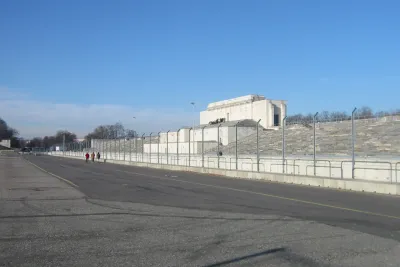
Explore Zeppelinfeld in Nuremberg, a chilling WWII historic site where grand Nazi rallies once unfolded. Understand its dark past and profound significance.
Rating: ★★★★☆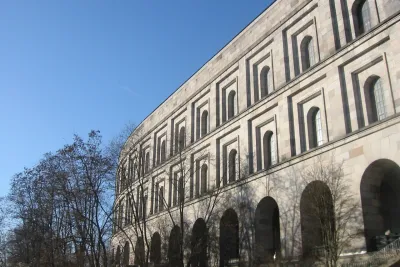
Explore Nuremberg's Kongresshalle, a monumental relic of Nazi architecture and a poignant symbol of a dark era. Understand its WWII significance.
Rating: ★★★★☆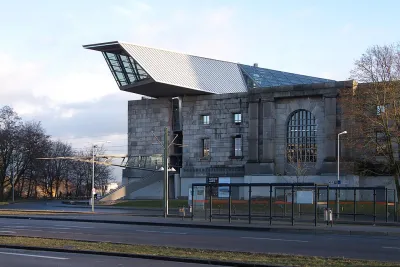
Explore the former Nazi Party Rally Grounds in Nuremberg, Germany. The Documentation Center reveals the chilling history and propaganda of the Third Reich.
Rating: ★★★★★
Plan your World War II trip with guides to museums, battlefields, memorials and historic sites worldwide. Discover the best WWII locations for your next tour.