
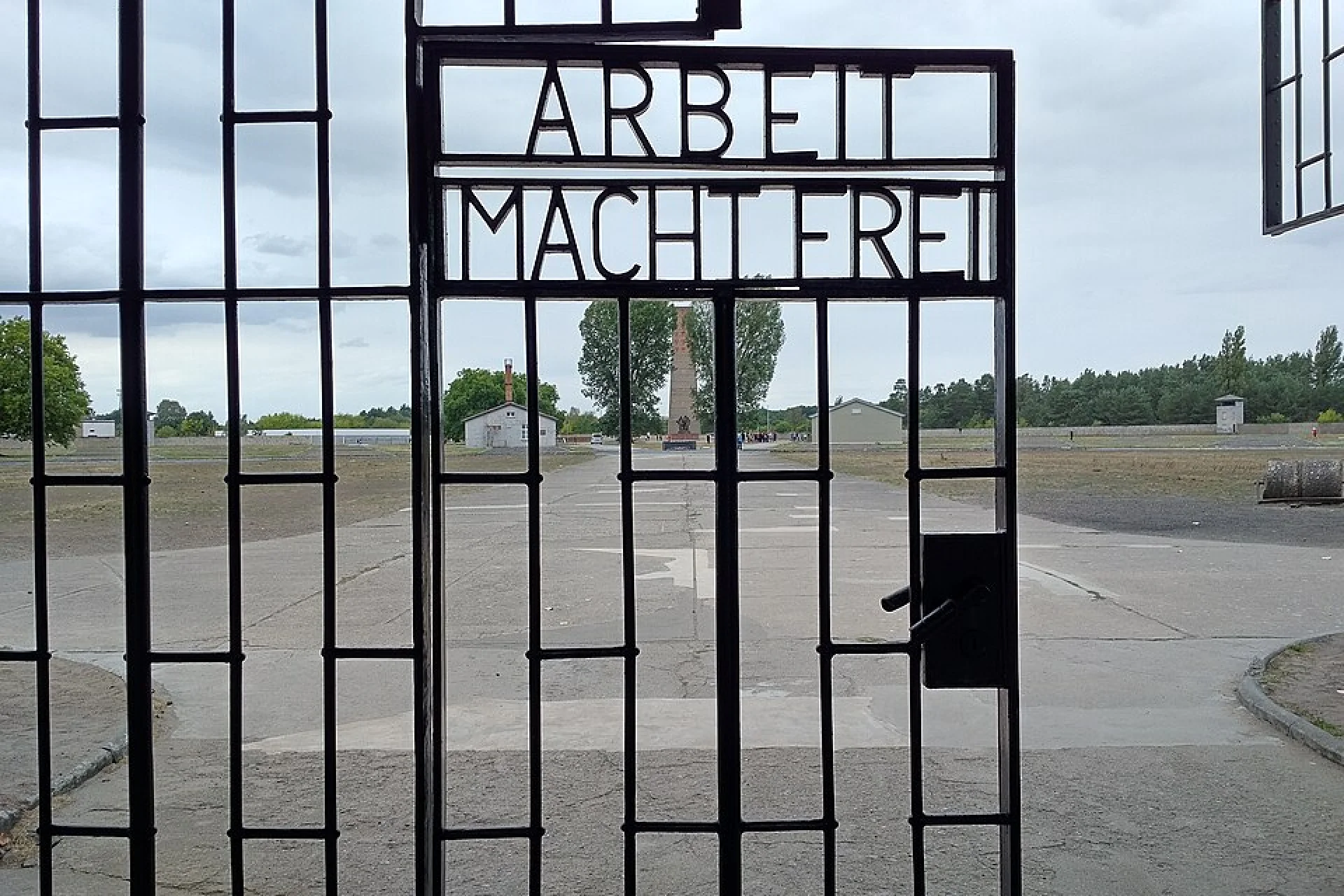
 Photo: Stephan Kaphle / Wikimedia Commons / License: CC BY-SA 4.0
As the somber echoes of history reverberate through time, some places demand our presence, compelling us to bear witness to humanity's darkest chapters. The Sachsenhausen Memorial and Museum, nestled in Oranienburg, just north of Berlin, is one such indispensable destination. It stands as a stark, powerful testament to the atrocities of the Nazi regime and a profound reminder of the millions who suffered under its tyranny.
Established in the summer of 1936, Sachsenhausen was one of the earliest concentration camps built by the Nazis. Designed as a model camp, its unique triangular layout, with an SS guard tower at its apex, epitomized the meticulous cruelty and systematic oppression that would define the concentration camp system. Initially intended for political opponents of the Nazi regime, its prisoner population soon expanded to include Jews, Roma, Sinti, homosexuals, "asocials," and Soviet prisoners of war. It served as the central administrative hub for the entire Nazi concentration camp network.
During World War II, Sachsenhausen's role became even more critical and brutal. It was not primarily an extermination camp like Auschwitz, but a place of immense suffering, forced labor, torture, and murder. Tens of thousands perished here from starvation, disease, exhaustion, medical experimentation, and systematic executions. Key figures of the German resistance and prominent individuals from occupied territories were imprisoned within its walls. The "shoelacing track," where prisoners were forced to march incessantly to test shoe sole durability, is a chilling example of the camp's dehumanizing practices. The camp was liberated by Soviet and Polish troops in April 1945, revealing the horrors within. Tragically, it was then used by the Soviet NKVD as "Special Camp No. 7" until 1950.
Today, Sachsenhausen Memorial and Museum is a site of remembrance, education, and solemn reflection. Walking through the surviving original structures—the camp gate with its infamous "Arbeit Macht Frei" slogan, barrack foundations, guard towers, and the execution trench—offers a visceral connection to the past. The various exhibitions housed in rebuilt barracks and former SS facilities provide detailed insights into the lives of prisoners, the mechanisms of Nazi terror, and the camp's complex history both under the Nazis and the Soviets. The museum meticulously documents the individual stories, allowing visitors to grasp the human scale of the tragedy.
A journey to Sachsenhausen is a profoundly moving and essential experience for anyone seeking to understand the full scope of World War II and the Holocaust. It is a place that compels introspection, demanding that we confront the darkest aspects of human history to ensure they are never repeated. While challenging, the visit is meticulously curated to be respectful and informative, leaving visitors with an enduring lesson on human resilience and the enduring importance of freedom and dignity. ww2.tours encourages you to undertake this crucial historical pilgrimage.
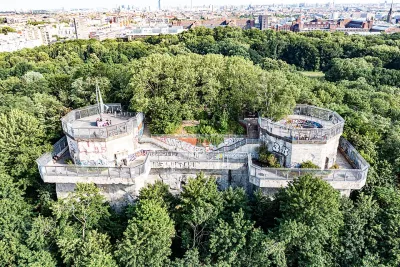
Explore Flakturm Humboldthain in Berlin, a colossal WWII flak tower. Discover its grim history, role in air defense, and what remains today of this wartime relic.
Rating: ★★★★☆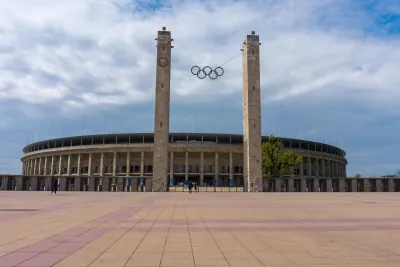
Explore Berlin's Olympiastadion, a site from Nazi propaganda to a WWII Allied HQ. Understand its pivotal role in history and its lasting impact.
Rating: ★★★★☆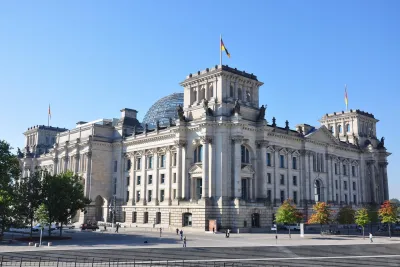
Explore the Reichstagsgebäude in Berlin, a pivotal World War II site. Stand where history was made during the Battle of Berlin and reflect on its past.
Rating: ★★★★★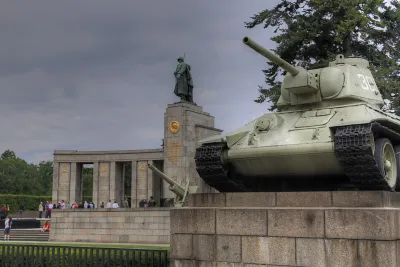
Stand where history unfolded. Visit the Soviet War Memorial Tiergarten in Berlin, a powerful tribute to Red Army soldiers in the Battle of Berlin. Discover its history.
Rating: ★★★★☆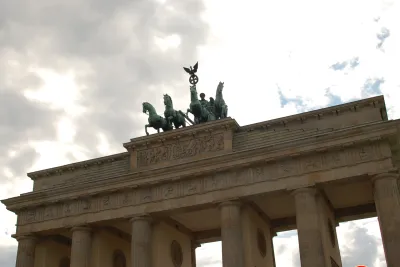
Stand at the Brandenburger Tor, a symbol of Berlin's turbulent WWII past. Discover its role in conflict and its powerful message of peace today.
Rating: ★★★★★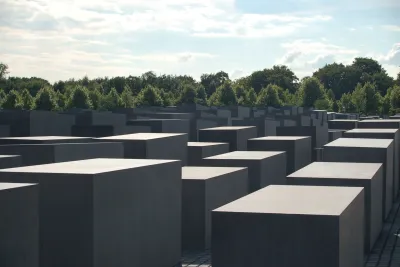
Explore the solemn Memorial to the Murdered Jews of Europe in Berlin. A powerful tribute to Holocaust victims and a vital stop for WWII history.
Rating: ★★★★★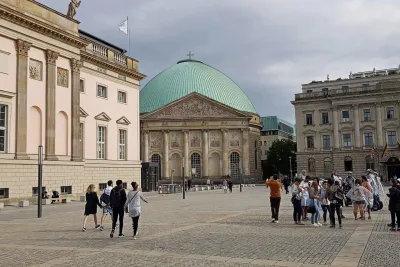
Stand at Bebelplatz in Berlin, where the infamous Nazi book burning took place. Discover its chilling WWII history and reflect on the power of ideas.
Rating: ★★★★☆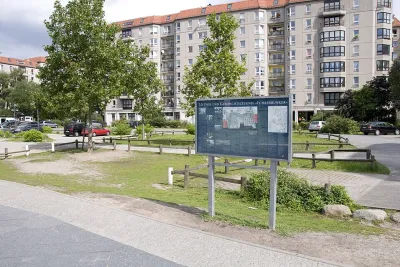
Stand where history ended. Explore the site of Hitler's Führerbunker in Berlin, a place of profound significance at the collapse of Nazi Germany.
Rating: ★★★☆☆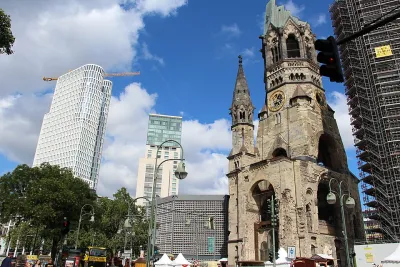
Witness the enduring symbol of peace and remembrance at Berlin's Kaiser Wilhelm Memorial Church, a poignant WWII landmark.
Rating: ★★★★☆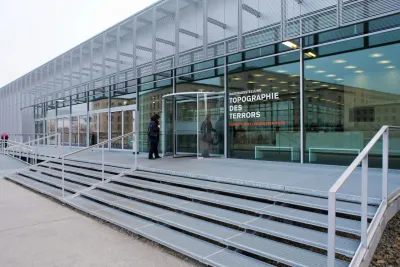
Explore the Topography of Terror in Berlin, built on the former Gestapo & SS headquarters. Confront the chilling history of Nazi terror at this essential WWII site.
Rating: ★★★★☆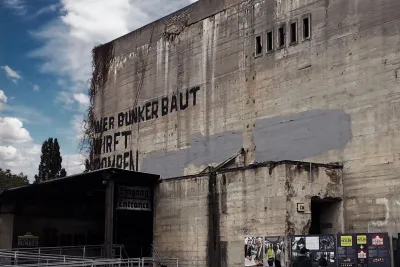
Explore the Berlin Story Bunker, a genuine WWII air raid shelter now a museum, offering a powerful journey into Berlin's wartime experience and Hitler's last days.
Rating: ★★★★★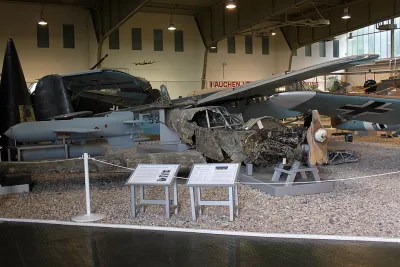
Explore the German Air Force Museum Gatow, a former Luftwaffe airfield during WWII. Discover historic aircraft and feel the history of Berlin's aviation past.
Rating: ★★★★☆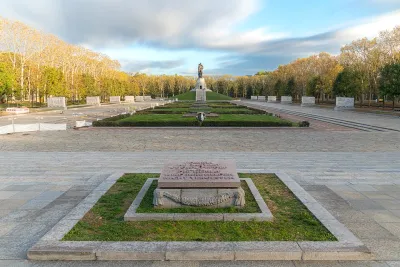
Explore the monumental Soviet War Memorial in Berlin's Treptow Park, honoring fallen Red Army soldiers. A powerful WWII historical travel destination.
Rating: ★★★★☆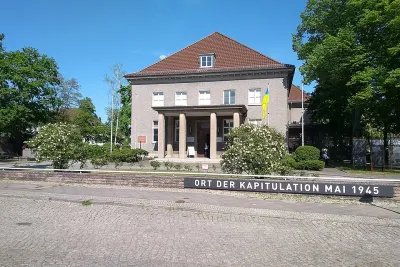
Visit Museum Berlin-Karlshorst, where Germany's WWII surrender was signed. Explore the Eastern Front's history and the war's end. A crucial historical journey.
Rating: ★★★★☆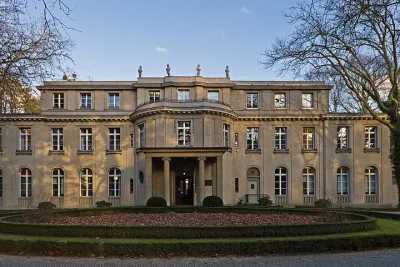
Visit the House of the Wannsee Conference in Berlin, where the "Final Solution" was planned. A solemn journey into a dark chapter of WWII history.
Rating: ★★★★☆
Plan your World War II trip with guides to museums, battlefields, memorials and historic sites worldwide. Discover the best WWII locations for your next tour.