
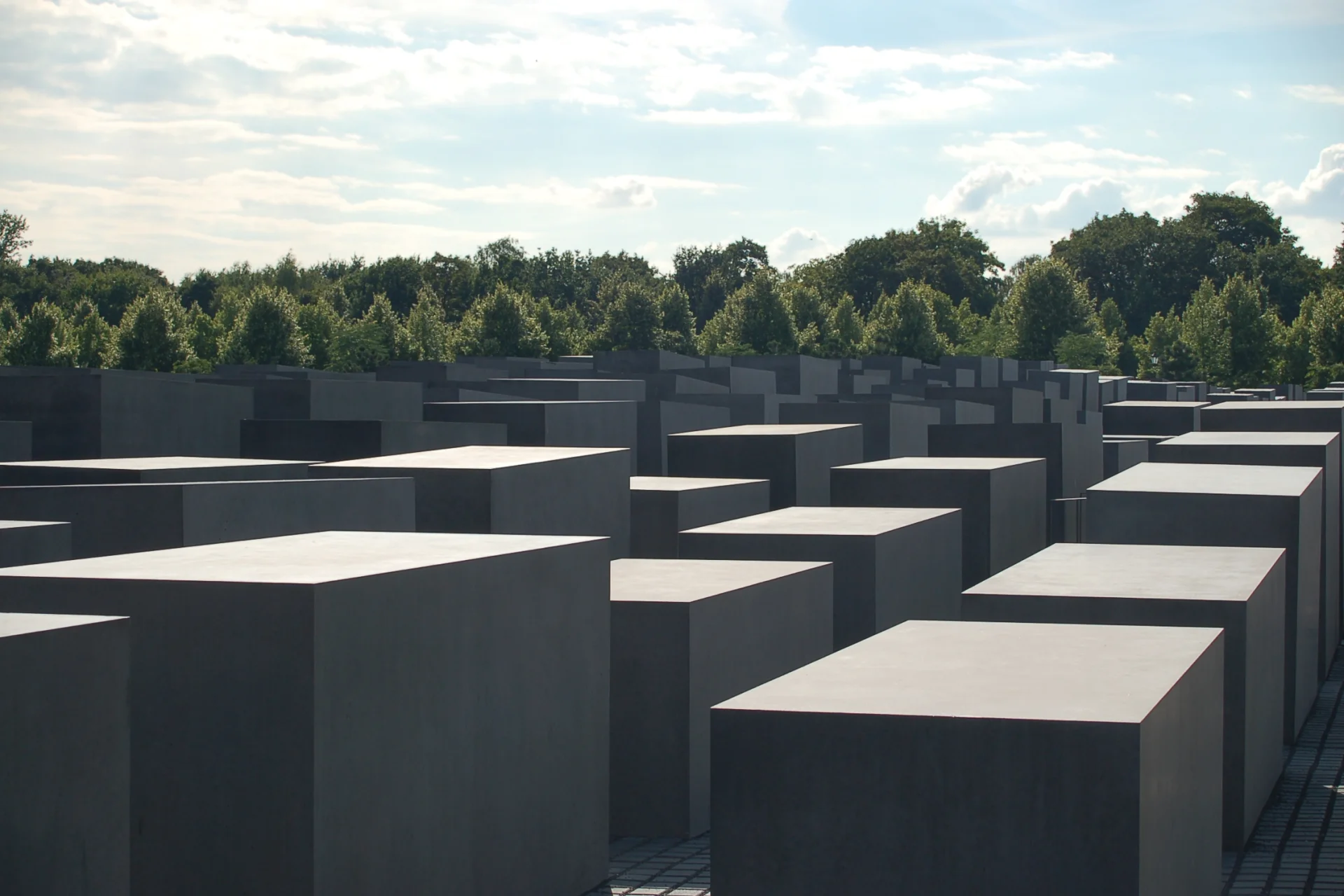
At the heart of Germany's vibrant capital, Berlin, lies a profoundly moving and intentionally disorienting monument: the Memorial to the Murdered Jews of Europe. It stands as a stark, solemn tribute to the approximately six million Jewish victims of the Holocaust, brutally persecuted and murdered under the Nazi regime during World War II.
Designed by architect Peter Eisenman and inaugurated in 2005, the memorial occupies a sloping site covering 19,000 square meters (4.7 acres) near the Brandenburg Gate. It features 2,711 concrete slabs, or stelae, of varying heights arranged in a grid pattern. As visitors walk through the narrow, undulating paths, the ground dips and rises, and the stelae tower above, creating a sense of unease, isolation, and disorientation. This abstract design compels individual reflection, symbolizing the systematic and dehumanizing nature of the Holocaust while allowing for personal interpretation of loss and memory.
While the memorial itself was constructed decades after World War II, its very existence is a testament to the war's most horrific chapter. It directly confronts Germany's past, acknowledging the unimaginable atrocities committed. This site is not about the battles fought, but about the profound human cost—the innocent lives systematically erased from across Europe. It embodies the nation's commitment to remembrance and reconciliation, ensuring that the lessons of the Holocaust are never forgotten. It represents a promise that such acts of hatred and genocide must never again be allowed to flourish.
Today, a visit to the Memorial to the Murdered Jews of Europe is a deeply personal and often emotional experience. Walking among the towering stelae, the outside world fades, replaced by a quiet, reflective atmosphere. Beneath the field of stelae lies the 'Ort der Information' (Information Centre), which provides crucial historical context. Here, through personal testimonies, letters, photographs, and historical documents, visitors learn about the victims, the places of terror, and the scale of the genocide. The center names millions of victims, offering a powerful, human dimension to the abstract memorial above. It serves as a factual anchor to the overwhelming emotional impact of the stelae.
For anyone embarking on a World War II history journey, this memorial is an indispensable stop. It offers more than just historical facts; it provides a space for contemplation and empathy, bringing visitors face-to-face with the enduring legacy of the Holocaust. Standing here, you feel the weight of history, understanding the immense human tragedy that underpinned the conflict. It serves as a poignant reminder of the fragility of human rights and the importance of vigilance against prejudice and hatred, making it a powerful and necessary addition to any tour dedicated to comprehending the profound impact of World War II.
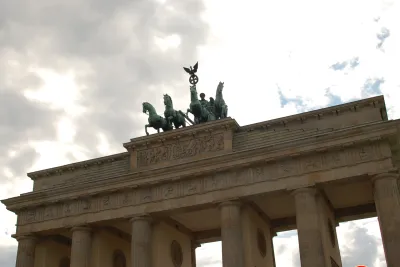
Stand at the Brandenburger Tor, a symbol of Berlin's turbulent WWII past. Discover its role in conflict and its powerful message of peace today.
Rating: ★★★★★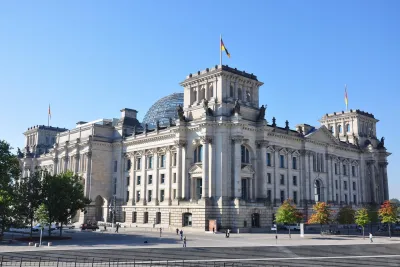
Explore the Reichstagsgebäude in Berlin, a pivotal World War II site. Stand where history was made during the Battle of Berlin and reflect on its past.
Rating: ★★★★★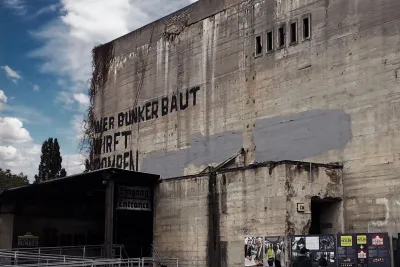
Explore the Berlin Story Bunker, a genuine WWII air raid shelter now a museum, offering a powerful journey into Berlin's wartime experience and Hitler's last days.
Rating: ★★★★★
Plan your World War II trip with guides to museums, battlefields, memorials and historic sites worldwide. Discover the best WWII locations for your next tour.