
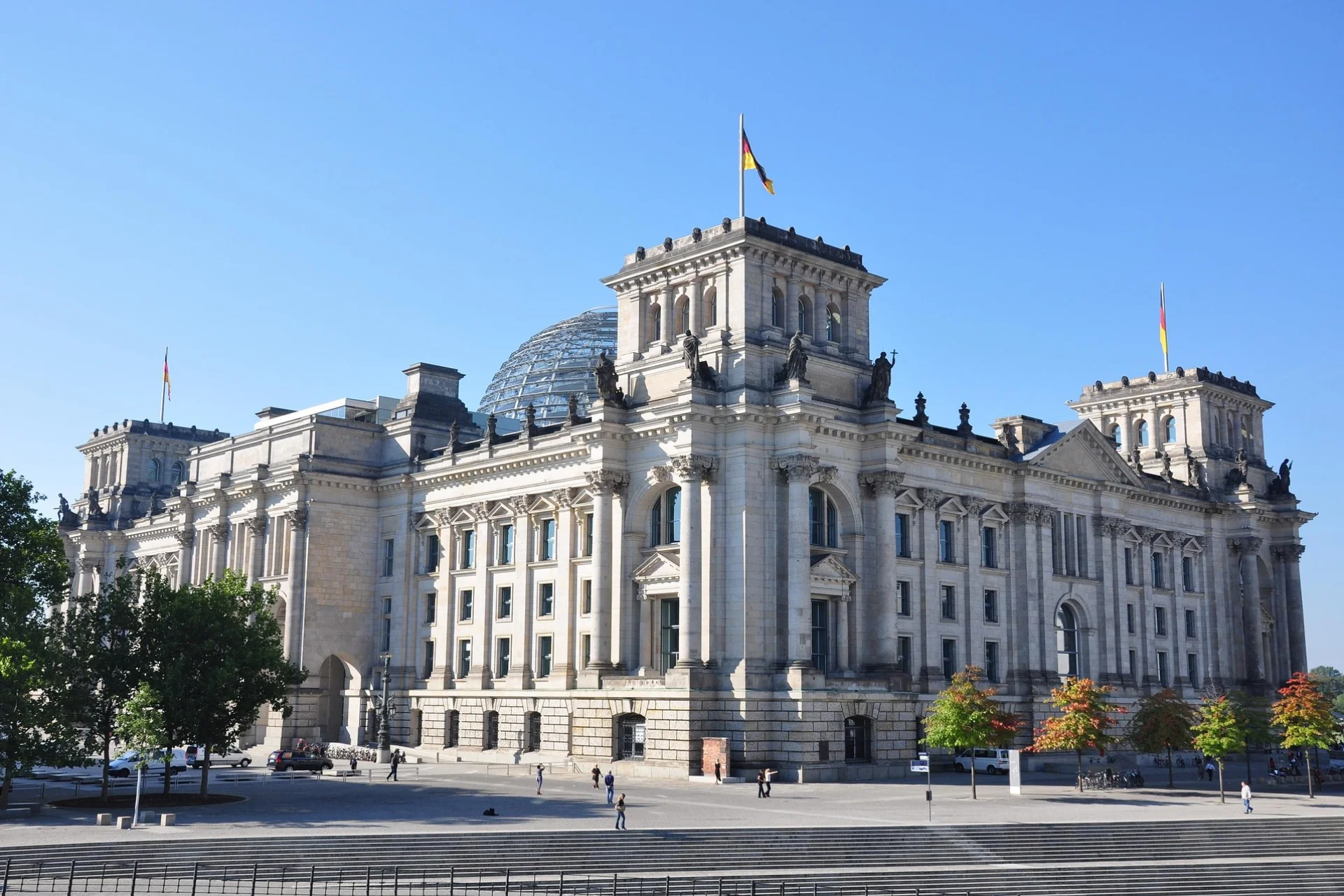
Standing proudly in Berlin, the Reichstagsgebäude, or Reichstag Building, has been a silent witness to some of Germany's most tumultuous moments. Completed in 1894, this grand edifice was designed to house the Imperial Diet and later, the parliament of the Weimar Republic. Its impressive architecture and prominent location quickly established it as a powerful symbol of German national identity and democracy. However, its democratic function was tragically cut short in 1933, when a devastating fire, swiftly blamed on communists by the Nazi party, became a crucial pretext for Hitler to consolidate absolute power, effectively dismantling Germany's nascent democracy.
Throughout the war years, the Reichstag lay mostly dormant, a silent monument to a democracy that had been brutally suppressed. Yet, it retained immense symbolic power. As the Soviet Red Army fought its way into Berlin in April 1945, the Reichstag became a prime, almost mythical, target. Despite having little practical strategic value—the actual seat of Nazi power was the Chancellery—its capture represented the ultimate triumph over Nazism, a visible end to a brutal regime. The battle for the Reichstag was one of the fiercest of the entire conflict, a final, desperate stand by German defenders against overwhelming Soviet forces.
Soviet soldiers, driven by revenge and the desire for victory, etched their names and messages onto its smoke-stained walls. The iconic photograph, "Raising a Flag over the Reichstag," taken by Yevgeny Khaldei on May 2, 1945, became the enduring image of the Allied victory in Europe, a powerful testament to the sacrifice and ultimate liberation.
Today, the Reichstagsgebäude has been magnificently restored and modernized, serving once again as the seat of the German Bundestag (parliament). British architect Norman Foster's stunning glass dome offers panoramic views of Berlin and a poignant reflection on history, standing literally above the historical plenary chamber. Visitors can still see the preserved Soviet graffiti and bullet holes on certain walls within the building—raw, tangible scars of the Battle of Berlin. These stark reminders bring the past into sharp focus, connecting you directly to the human experiences of those final, desperate days.
To stand before the Reichstag Building is to connect with the very heart of European history. It's a journey not just through architecture, but through ideology, conflict, and rebirth. For those passionate about World War II history, visiting the Reichstag offers a unique opportunity to witness the physical evidence of one of history's most pivotal battles. It inspires a profound sense of reflection on the fragility of democracy, the human cost of conflict, and the enduring power of remembrance. It is an essential stop on any World War II history tour, allowing you to walk in the footsteps of soldiers and bear witness to a place where the fate of a continent was dramatically sealed.
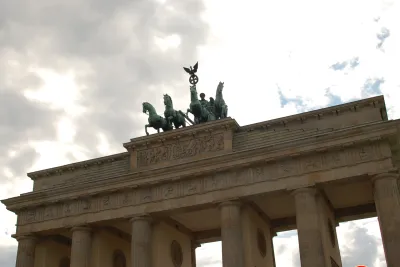
Stand at the Brandenburger Tor, a symbol of Berlin's turbulent WWII past. Discover its role in conflict and its powerful message of peace today.
Rating: ★★★★★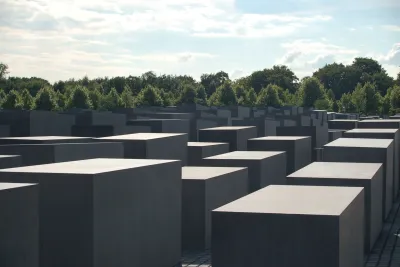
Explore the solemn Memorial to the Murdered Jews of Europe in Berlin. A powerful tribute to Holocaust victims and a vital stop for WWII history.
Rating: ★★★★★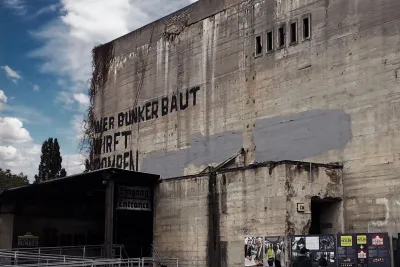
Explore the Berlin Story Bunker, a genuine WWII air raid shelter now a museum, offering a powerful journey into Berlin's wartime experience and Hitler's last days.
Rating: ★★★★★
Plan your World War II trip with guides to museums, battlefields, memorials and historic sites worldwide. Discover the best WWII locations for your next tour.