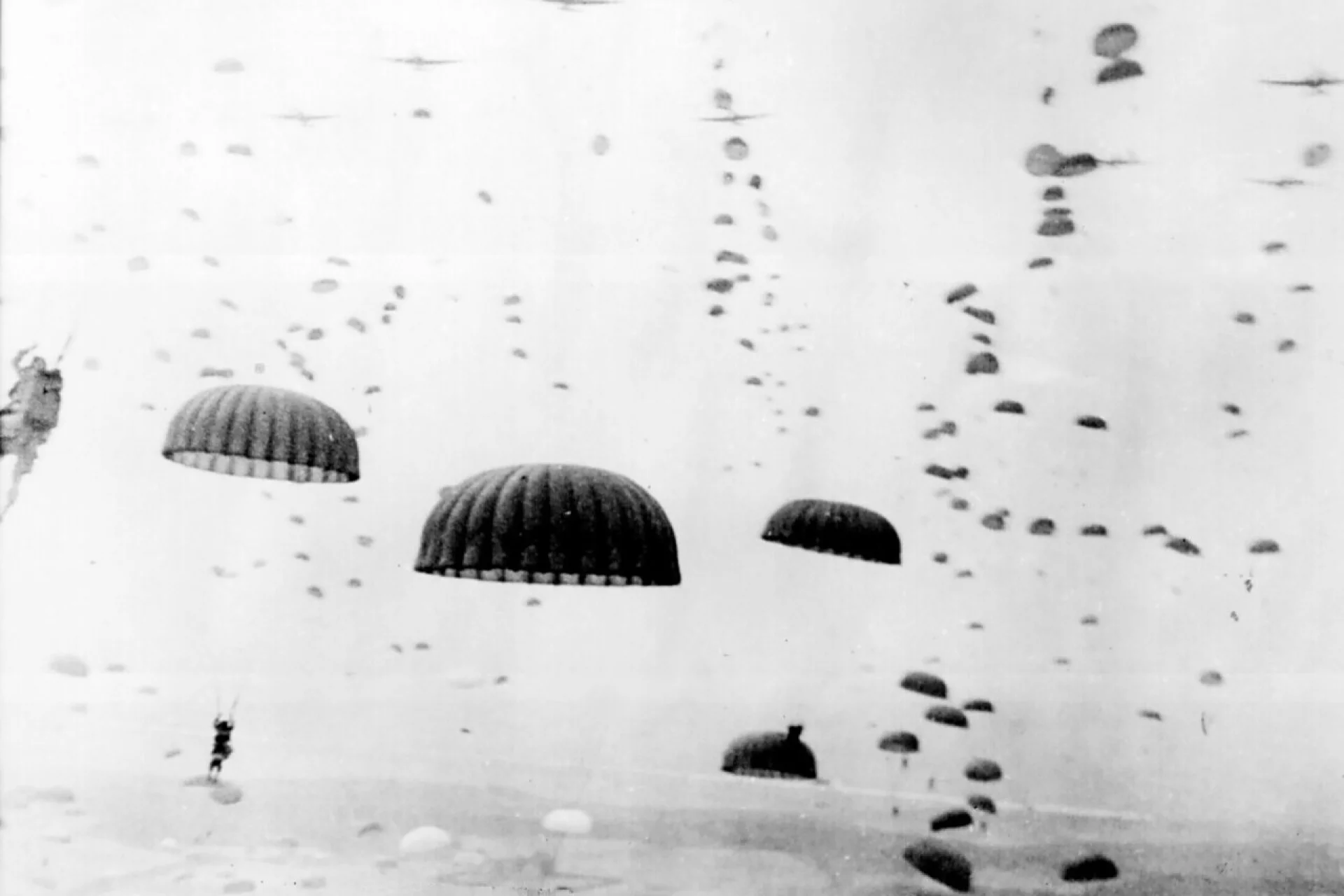
Arnhem stands as a poignant symbol of ambition and sacrifice during World War II, forever etched into history by Operation Market Garden in September 1944. This audacious Allied airborne assault aimed to seize vital bridges across the Netherlands, securing a swift route into Germany, but met fierce German resistance, leading to one of the war's most brutal and tragic battles for the British 1st Airborne Division.
Key Facts:
Operation Market Garden, conceived by Field Marshal Montgomery, was a daring Allied plan to bypass the Siegfried Line. The "Market" component involved three airborne divisions capturing key bridges in the Netherlands, with Arnhem's Lower Rhine bridge being the final, crucial objective for the British 1st Airborne Division.
Landing on September 17, 1944, the British faced immediate setbacks. Unexpectedly strong German forces, including II SS Panzer Corps elements, offered fierce resistance. Communication failures and scattered landings disrupted the Allied advance. Only a small force, led by Lt. Col. John Frost, reached the northern end of the Arnhem bridge, holding out heroically for four days. The main division was pushed into a shrinking perimeter around Oosterbeek, enduring relentless shelling.
The "Garden" ground forces struggled up "Hell's Highway." Despite valiant efforts, including the Polish 1st Independent Parachute Brigade, relief never reached the trapped paratroopers. After nine days of ferocious fighting and immense suffering for both soldiers and civilians, the remnants of the British 1st Airborne withdrew across the Rhine, leaving thousands dead, wounded, or captured. The battle was a strategic defeat, a testament to incredible courage.
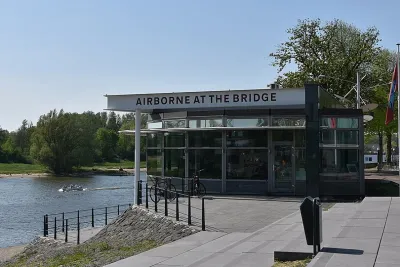
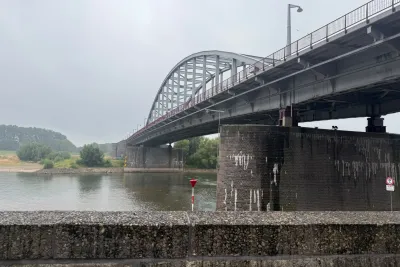
Visiting Arnhem offers a profound connection to Operation Market Garden. The iconic John Frost Bridge still spans the Lower Rhine, a silent witness. In Oosterbeek, the Airborne Museum Hartenstein, former British 1st Airborne HQ, provides a deeply moving experience. Its extensive collection, personal stories, and immersive "Airborne Experience" cellar bring the desperate struggle to life.
The Arnhem Oosterbeek War Cemetery, a short distance away, is the final resting place for nearly 1,800 Allied soldiers. Walking among the headstones offers quiet reflection on the immense human cost. Visitors can also explore remnants of the Oosterbeek perimeter through historical markers, understanding the desperate last stand. The landscape largely retains the feel of 1944, inviting contemplation.
Allocate at least a full day for Arnhem. Start at the Airborne Museum Hartenstein for comprehensive understanding before outdoor locations. Comfortable walking shoes are essential. Consider a local guided tour for invaluable insights.
Spring or early autumn is ideal. Each September, the city hosts commemoration events. Don't miss walking across the John Frost Bridge. For broader context, visit the National Liberation Museum 1944-1945 in Groesbeek. Approach sites with respect, honoring all who suffered and sacrificed.
Plan your World War II trip with guides to museums, battlefields, memorials and historic sites worldwide. Discover the best WWII locations for your next tour.