
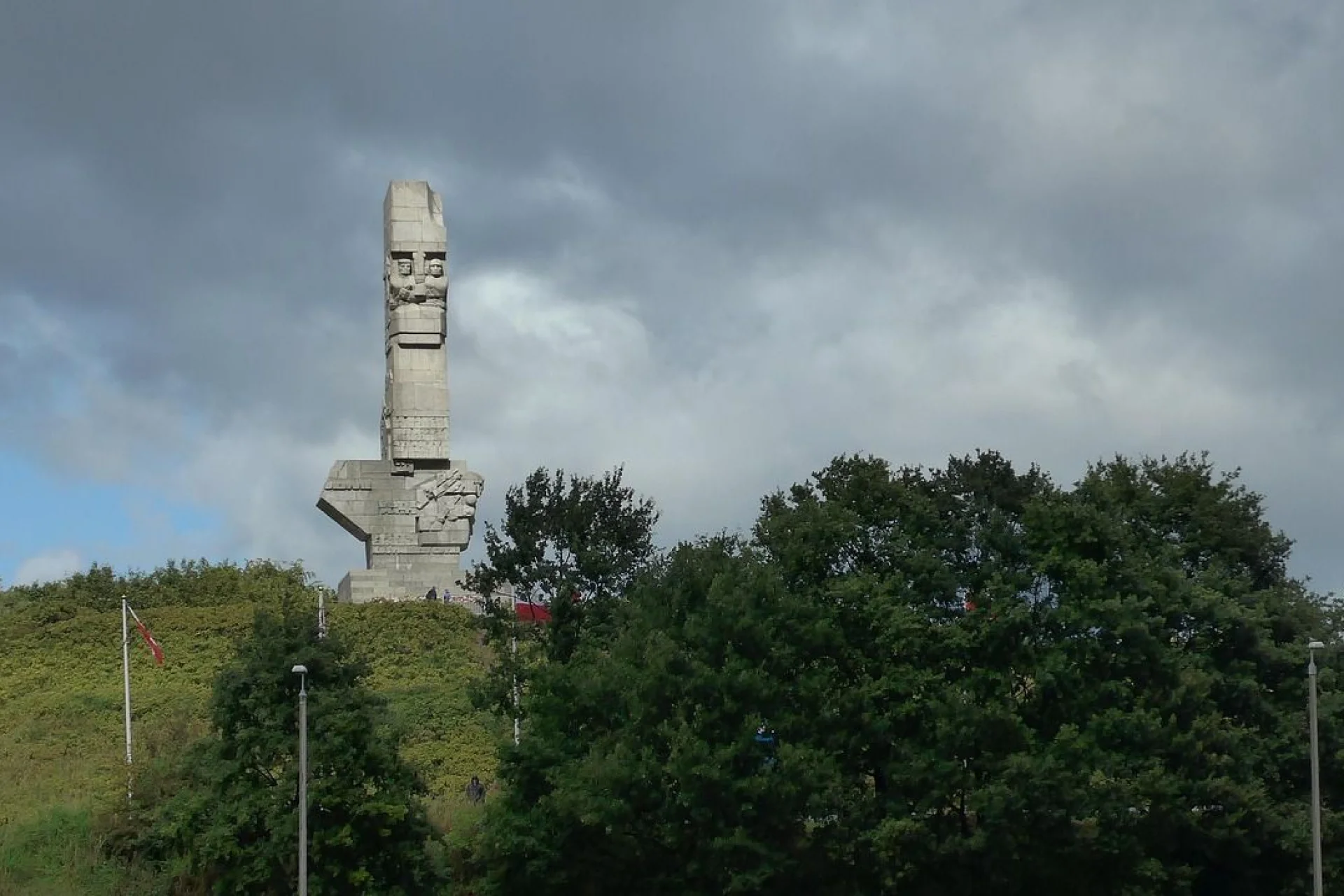
At the narrow entrance to Gdańsk's bustling port lies Westerplatte, a small peninsula that carved its name into the annals of history as the site of World War II's brutal opening act. Before the war, this strategic spit of land, designated a Polish Military Transit Depot since 1926 under League of Nations supervision, became a flashpoint of simmering international tensions. Despite its demilitarized status, Poland maintained a small garrison here, tasked with protecting Polish military supplies entering the Free City of Danzig (Gdańsk). As Nazi Germany's expansionist ambitions grew, Westerplatte, isolated and vulnerable, represented a critical symbol of Polish sovereignty on a contested frontier.
The serene dawn of September 1, 1939, shattered at 4:45 AM. The German battleship Schleswig-Holstein, ostensibly on a goodwill visit, opened fire on Westerplatte. This was no diplomatic gesture; it was the first volley of World War II. Against overwhelming odds – a small Polish garrison of around 200 soldiers, commanded by Major Henryk Sucharski and Captain Franciszek Dąbrowski, faced a combined assault of German naval, land, and air forces – the defenders held. Expected to surrender within hours, they defiantly resisted for seven days, their heroic stand becoming a potent symbol of Polish courage and a desperate, early act of defiance against the might of the Third Reich. Their sacrifice bought precious time and galvanized the spirit of a nation under siege.
Westerplatte’s steadfast defense, though ultimately overwhelmed, resonated far beyond its strategic importance. It became an enduring testament to the human spirit's capacity for resistance in the face of tyranny. The battle marked the beginning of a conflict that would engulf the globe, costing tens of millions of lives. Visiting Westerplatte today means standing on the very ground where the world changed forever, feeling the profound weight of those initial moments and the immense human cost that followed. It’s a sobering reminder of the consequences of aggression and the bravery of those who stood against it.
Today, Westerplatte stands as a powerful memorial and a place of quiet reflection. The most prominent feature is the towering Monument to the Defenders of the Coast, a stark and moving tribute to the heroes of 1939, offering panoramic views across the bay. Visitors can walk among the evocative ruins of the barracks and Guardhouse No. 1, which now houses a small, poignant museum detailing the siege. Informative plaques guide you through the key positions of the defense, allowing for a deeper understanding of the battle's intensity. The windswept landscape, often shrouded in a melancholic mist, invites contemplation, connecting you directly to the solemn atmosphere of that fateful week.
Located just a short distance from Gdańsk city center in Poland, Westerplatte is easily accessible by public transport – a scenic water tram, bus, or taxi. Allow several hours to respectfully explore the monument, the ruins, and the museum. A visit here is more than just seeing historical sites; it's an immersive journey into the beginning of WWII, offering a unique opportunity to honor the sacrifices made and to reflect on the enduring lessons of history. It is an essential stop for anyone seeking to understand the true human cost and the remarkable courage demonstrated at the dawn of the deadliest conflict in human history.
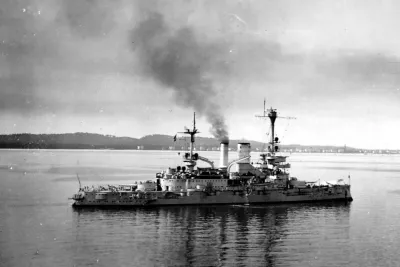
Explore the history of SMS Schleswig-Holstein, the German battleship that fired the first shots of WWII at Westerplatte, Poland, on September 1, 1939. Learn about its role and legacy.

Explore the Polish Military Museum in Warsaw, a powerful tribute to Poland's military history, including its courageous role in World War II. Plan your visit with ww2.tours.
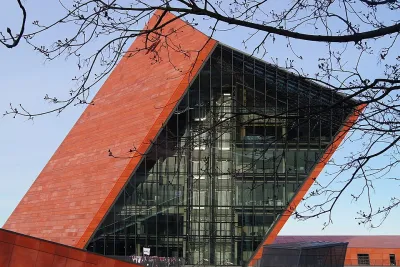
Explore the Museum of the Second World War in Gdańsk, Poland. Delve into the human experience of WWII, its origins, and global impact from a unique perspective.
Plan your World War II trip with guides to museums, battlefields, memorials and historic sites worldwide. Discover the best WWII locations for your next tour.