
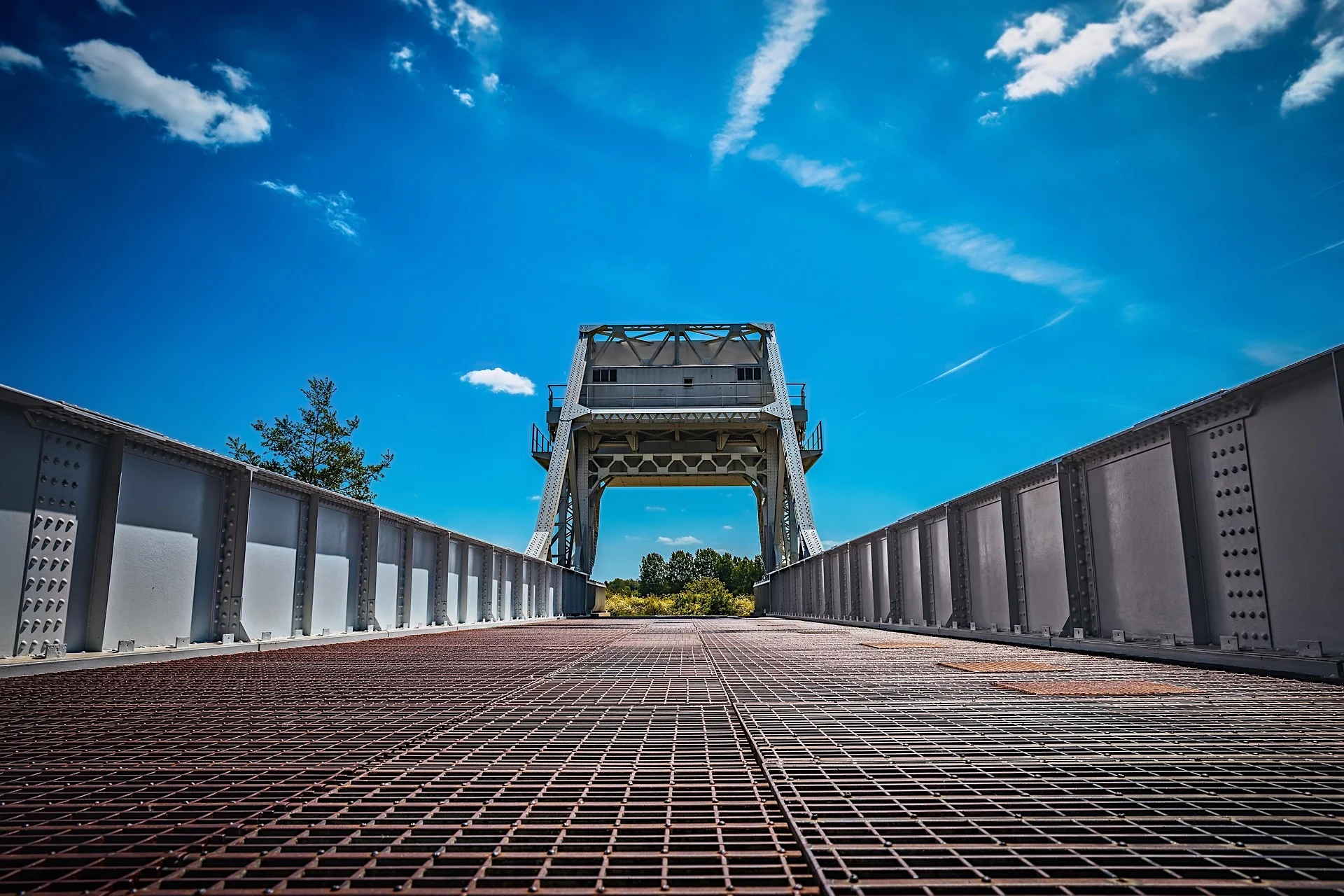
Nestled in the tranquil Norman village of Ranville, just a stone's throw from the legendary Pegasus Bridge, lies the Memorial Pegasus. This museum stands as a poignant testament to one of the most audacious and pivotal operations of D-Day: Operation Deadstick. Before the first Allied soldier even set foot on the beaches, elite British airborne forces were tasked with securing vital bridges over the Caen Canal and River Orne, effectively protecting the eastern flank of the invasion.
The night of June 5th to 6th, 1944, saw a handful of Horsa gliders, carrying men of D Company, 2nd Ox and Bucks Light Infantry, led by Major John Howard, silently descend from the skies. Their mission: to capture the Bénouville Bridge (later famously renamed Pegasus Bridge) and the Ranville Bridge intact. This audacious plan relied on precision, surprise, and unwavering courage. The gliders landed with remarkable accuracy, some within yards of their targets, initiating a swift and brutal engagement that secured the bridges in mere minutes, a feat often hailed as a masterpiece of airborne warfare.
The successful capture of Pegasus Bridge was critical. It prevented German panzer divisions from reaching the D-Day landing beaches and allowed Allied forces to establish a crucial foothold in Normandy. These airborne pioneers held the bridges against determined counter-attacks, buying precious time for the main invasion force to consolidate its gains. Their bravery ensured that the Allied invasion could proceed without the immediate threat of a major German counter-offensive from the east, directly contributing to the success of Operation Overlord.
Today, Memorial Pegasus invites visitors to step back in time and grasp the magnitude of these events. The museum houses a rich collection of artifacts, including uniforms, weapons, and personal effects of the soldiers who fought here. The centerpiece is a meticulously recreated Horsa glider, offering a visceral sense of the cramped and terrifying journey these men undertook. Outside, the original Pegasus Bridge, now replaced and relocated, stands as a solemn monument. You can also visit the nearby Café Gondrée, reputedly the first house in France to be liberated. Walking the ground where history unfolded, you can almost hear the echoes of battle and feel the resolve of those who fought for freedom.
A visit to Memorial Pegasus is an essential part of any World War II history journey through Normandy. It offers a deeply moving and informative experience, honoring the sacrifice and ingenuity of the Allied airborne forces. Standing here, you connect with the human stories behind the grand strategies, gaining a profound appreciation for the courage displayed on that fateful night. It is a place of remembrance, education, and inspiration, reminding us of the immense cost of war and the enduring spirit of heroism.
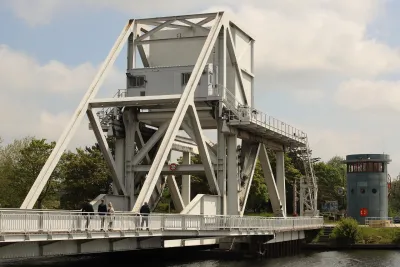
Discover Pegasus Bridge, the crucial D-Day site captured by British airborne troops. Explore its history and significance in the Normandy landings.
Rating: ★★★★★
Plan your World War II trip with guides to museums, battlefields, memorials and historic sites worldwide. Discover the best WWII locations for your next tour.