
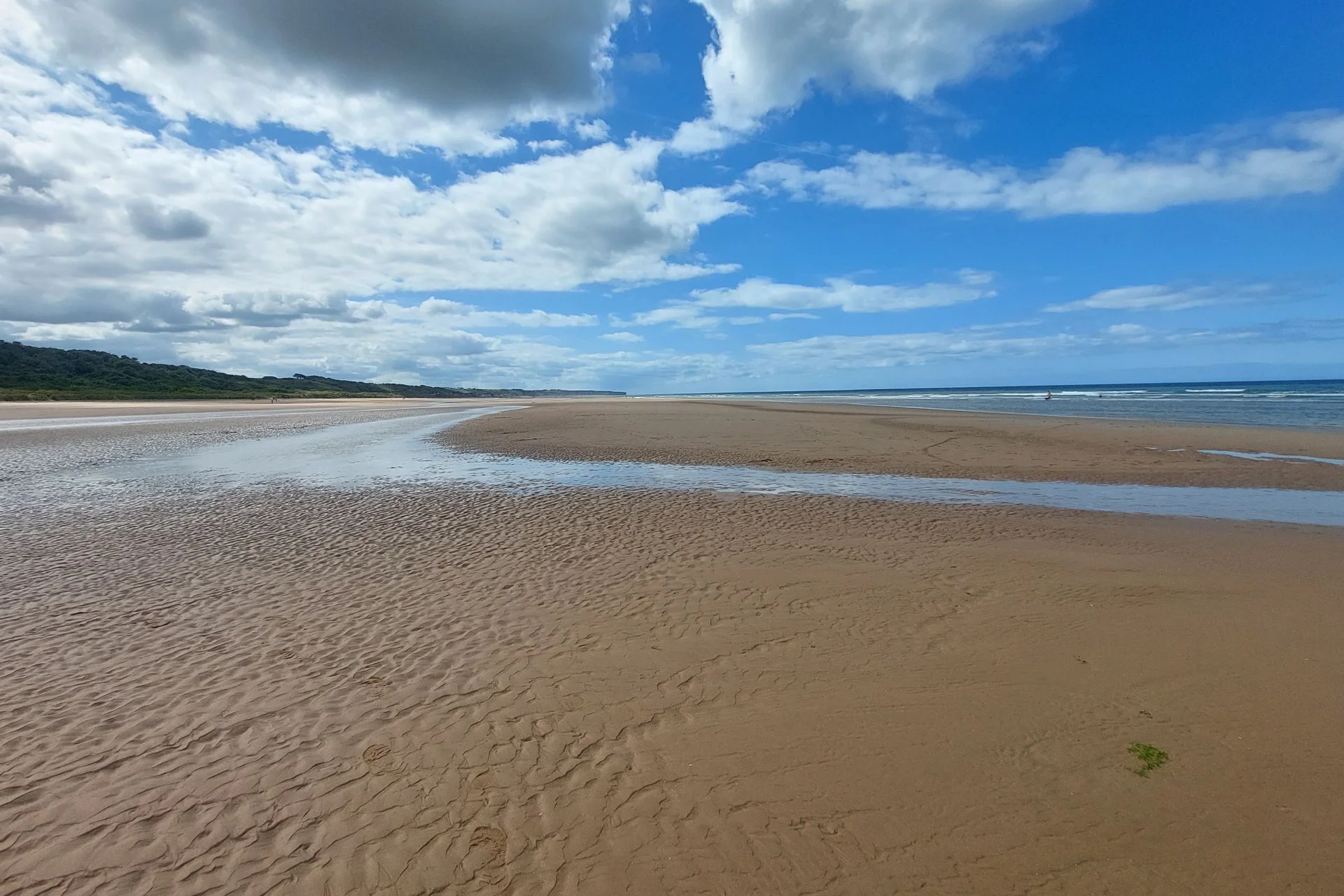
Nestled along the picturesque coast of Normandy, France, Omaha Beach holds a name etched forever in the annals of human history. On June 6, 1944, this stretch of sand, approximately 8 kilometers long, became one of the five primary landing zones for the Allied invasion of Western Europe, a monumental undertaking known as Operation Overlord. For years leading up to this day, Allied strategists meticulously planned to breach Hitler's formidable Atlantic Wall, and Omaha was assigned to American forces, primarily elements of the U.S. 1st and 29th Infantry Divisions.
Omaha Beach stands as a stark reminder of the immense cost of liberation. Unlike the relatively successful landings on other beaches, Omaha quickly earned the grim moniker "Bloody Omaha" due to the catastrophic casualties suffered by the American troops. Heavily fortified German defenses, including concrete bunkers, artillery positions, and machine-gun nests, were strategically placed to command the entire beach, turning the landing into a brutal struggle for survival. High tides submerged many of the pre-planned obstacles, and the initial bombardment failed to neutralize many German positions, leaving the landing forces exposed and vulnerable. Despite overwhelming odds and devastating losses, the courage and determination of individual soldiers, often leaderless, eventually allowed small pockets of troops to breach the German lines, scaling the bluffs and opening the way inland. Their sacrifice was pivotal, securing a foothold that was vital for the entire D-Day operation's success.
Today, Omaha Beach offers a deeply moving and reflective experience. As you stand on the vast expanse of sand, the serenity of the present contrasts sharply with the violent history that unfolded here. Visitors can walk the very ground where young soldiers fought for freedom, tracing the path from the water's edge to the bluffs above. Remnants of the German fortifications, although weathered by time, still bear witness to the intense combat. Nearby, the poignant Normandy American Cemetery and Memorial in Colleville-sur-Mer provides a solemn space to honor the thousands of American servicemen who made the ultimate sacrifice. Along the beach, memorials like "Les Braves" stand as modern tributes to the valor displayed on that fateful day.
A journey to Omaha Beach is more than just a historical tour; it is a pilgrimage. It offers a unique opportunity to connect with the human story of World War II, to understand the sheer scale of the D-Day landings, and to pay respect to those who endured unimaginable hardship. Standing here, you can almost feel the echoes of the past, gaining a profound appreciation for the peace and freedom we often take for granted. It is an essential stop for anyone seeking to comprehend the true meaning of courage, sacrifice, and the pivotal moments that shaped the 20th century. A visit to Omaha Beach is a powerful, emotional, and unforgettable testament to history.
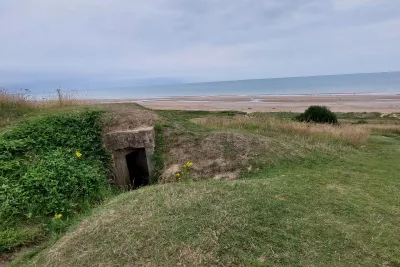
Explore Widerstandsnest 62, a formidable German strongpoint overlooking Omaha Beach. Witness the D-Day battlefield and understand its crucial role.
Rating: ★★★★★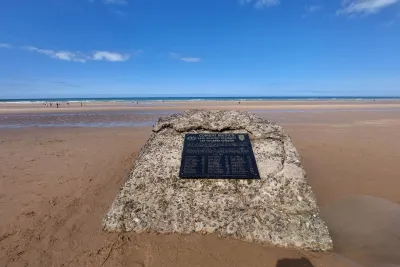
Visit Ray's Rock in Colleville-sur-Mer, a poignant D-Day site overlooking Omaha Beach. Stand where history unfolded, reflecting on courage and sacrifice.
Rating: ★★★★☆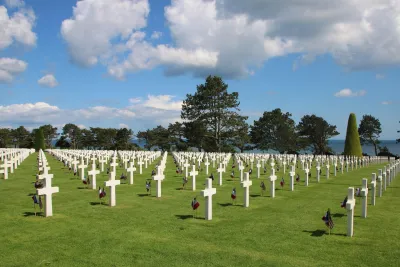
Visit the sacred Normandy American Cemetery, overlooking Omaha Beach. Honor D-Day heroes, explore exhibits, and feel the profound sacrifice of WWII.
Rating: ★★★★★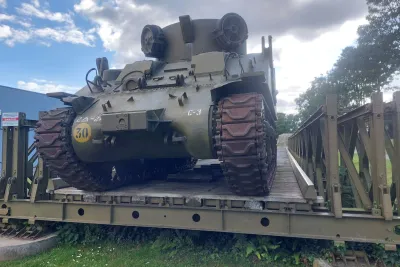
Explore the Overlord Museum, adjacent to Omaha Beach. Discover an extensive collection of D-Day artifacts, vehicles, and the human stories of liberation.
Rating: ★★★★★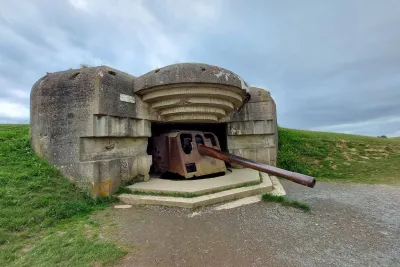
Explore Batterie Longues-sur-Mer, a key D-Day coastal artillery battery in Normandy. Stand where history unfolded on June 6, 1944. Plan your WWII tour.
Rating: ★★★★★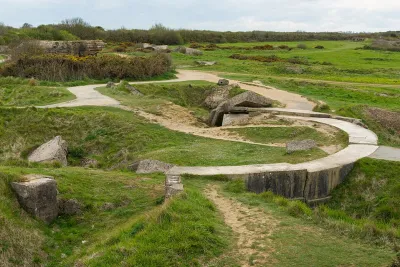
Explore Pointe du Hoc, the D-Day cliffside where US Army Rangers scaled formidable defenses. Witness a preserved WWII battlefield in Normandy, a testament to immense courage.
Rating: ★★★★★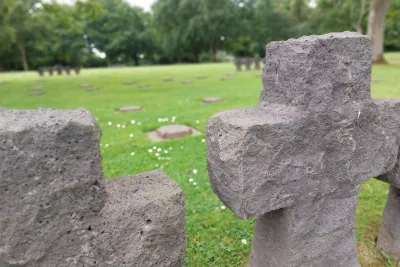
Visit La Cambe German War Cemetery in Normandy, a poignant site dedicated to German soldiers from WWII. Discover its history and significance.
Rating: ★★★★☆
Plan your World War II trip with guides to museums, battlefields, memorials and historic sites worldwide. Discover the best WWII locations for your next tour.