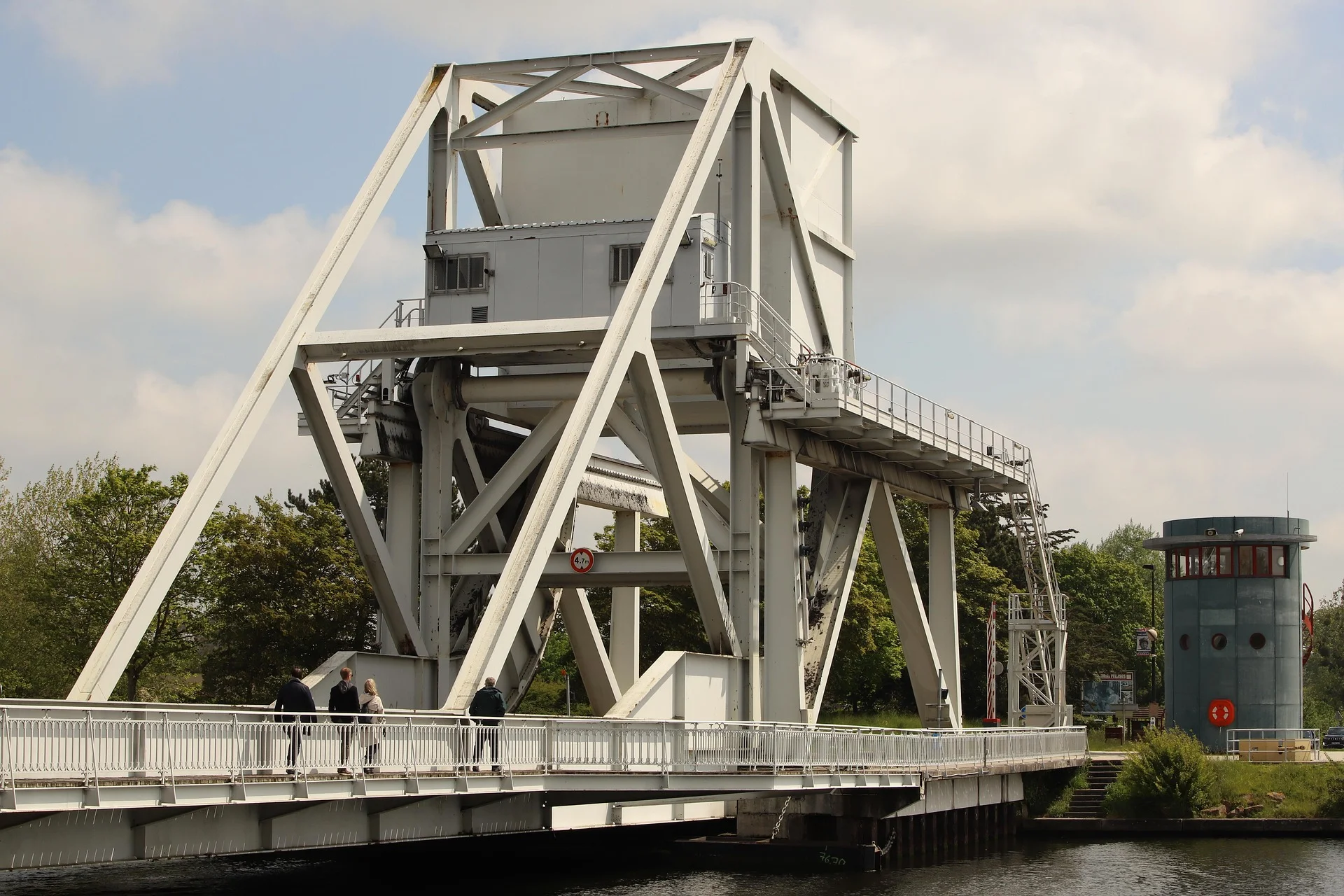
As the clock ticked past midnight on June 6, 1944, a small, elite force of British airborne troops embarked on one of the most audacious and critical missions of D-Day. Their target: two bridges over the Caen Canal and River Orne, code-named "Pegasus Bridge" and "Horsa Bridge." These bridges were vital for the success of Operation Overlord, the Allied invasion of Normandy. Their swift capture was paramount to protect the eastern flank of the landing beaches, particularly Sword Beach, and to ensure the passage of reinforcements inland.
Led by Major John Howard, D Company of the 2nd Battalion, Oxfordshire and Buckinghamshire Light Infantry, along with sappers, executed "Operation Deadstick." In the pre-dawn darkness, six Horsa gliders made a silent, pinpoint landing within yards of their objectives, a feat of incredible precision. The element of surprise was complete. Within minutes, the British paratroopers, emerging from their shattered gliders, overwhelmed the German defenders. The fighting was fierce but swift, and by 00:16, Pegasus Bridge, a strategic prize, was in Allied hands – the first objective of D-Day secured. This daring nighttime assault prevented German Panzer divisions from launching counterattacks that could have devastated the vulnerable Allied forces establishing their beachheads.
Pegasus Bridge stands as a powerful symbol of courage and ingenuity in the face of overwhelming odds. Its capture ensured the vital link for Allied forces pushing inland from Sword Beach, establishing a crucial bridgehead for the liberation of France. The precision of the glider landings and the bravery of Major Howard’s men prevented the destruction of the bridges by German forces, which would have severely hampered Allied logistics and potentially jeopardized the entire D-Day operation. It represents the successful execution of a high-stakes mission that laid the groundwork for the liberation of Western Europe.
Today, visitors to Pegasus Bridge (Pont de Bénouville) are transported back to those pivotal hours of June 1944. While the original bridge now stands proudly at the Memorial Pegasus Museum just a short walk away, a meticulously recreated replica occupies its historic position over the Caen Canal. Standing on this bridge, you can almost hear the gliders landing and feel the tension of that early morning assault.
The Memorial Pegasus Museum offers an exceptional collection of artifacts, uniforms, and personal stories, providing deep insight into the lives of those who fought. Nearby, the famous Café Gondrée, reputedly the first house liberated on D-Day, still serves refreshments, allowing visitors to step into a piece of living history. A visit to the Ranville War Cemetery provides a solemn space for reflection and remembrance of the brave soldiers who made the ultimate sacrifice.
Pegasus Bridge is an essential stop on any World War II history journey through Normandy. It offers a unique opportunity to stand on the very ground where history was made, to appreciate the immense courage of the airborne forces, and to reflect on the human cost of freedom. Visiting this site is not just seeing a landmark; it’s an immersive experience that connects you directly to the dramatic events of D-Day, fostering a profound respect for the sacrifices made for our future.
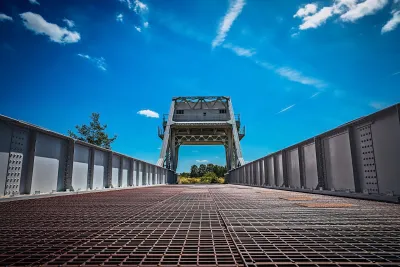
Visit Memorial Pegasus in Ranville, Normandy. Discover the pivotal D-Day glider assault on Pegasus Bridge by British airborne forces. A must-see WWII site.
Rating: ★★★★☆
Plan your World War II trip with guides to museums, battlefields, memorials and historic sites worldwide. Discover the best WWII locations for your next tour.