
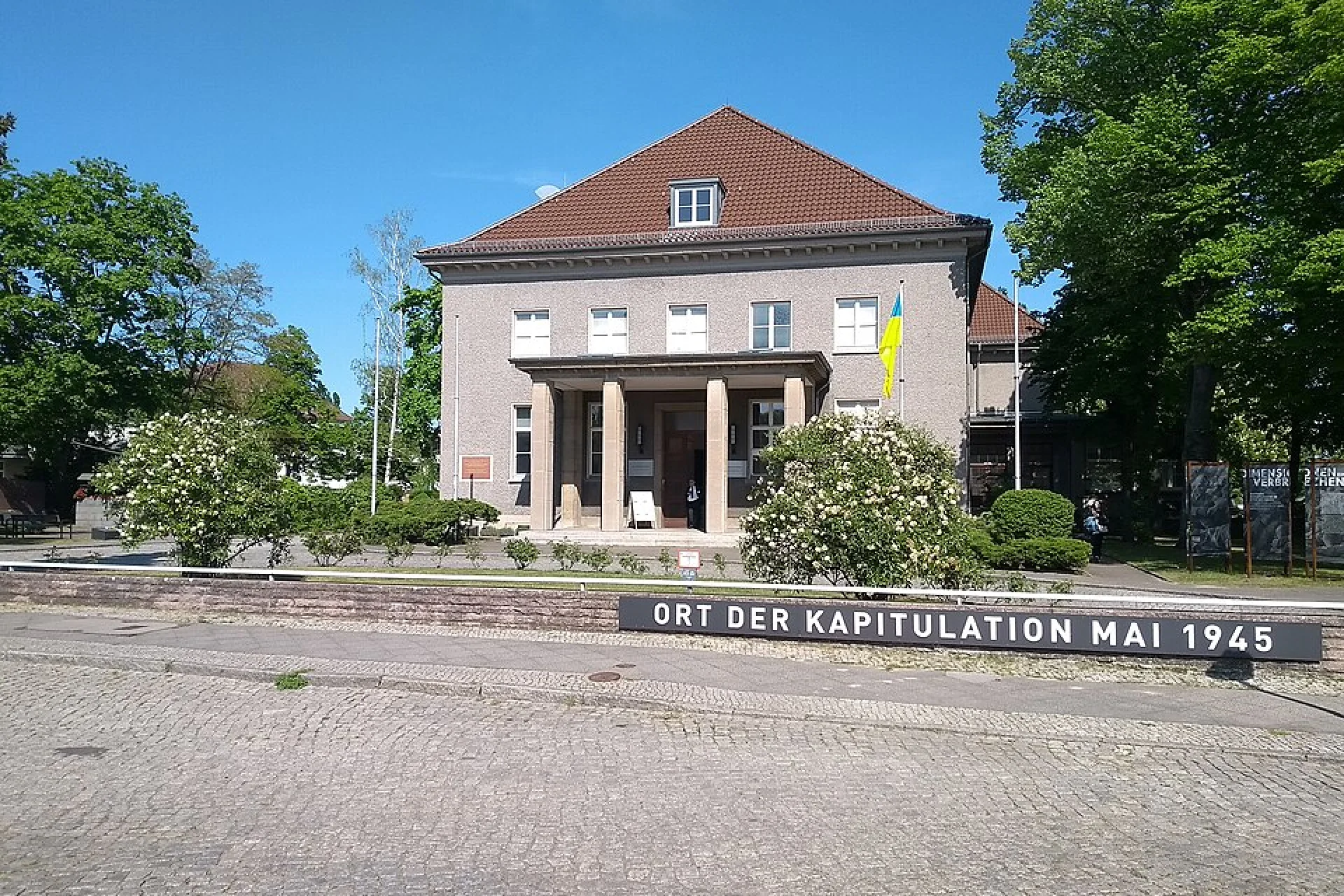
 Photo: Thm72 / Wikimedia Commons / License: CC BY-SA 4.0
The Museum Berlin-Karlshorst stands as a silent witness to one of the most pivotal moments of the 20th century: the unconditional surrender of Nazi Germany. For those seeking to grasp the full scope and emotional weight of World War II, a visit to this historic site is not merely a stop on a travel itinerary but a profound journey back in time, directly to the very room where the guns of the European conflict finally fell silent.
Nestled in Berlin's Karlshorst district, the building that now houses the museum began its life as an officers' mess hall for the Wehrmacht. Its unassuming exterior belies the immense historical significance contained within its walls. As the Red Army advanced into Berlin in the spring of 1945, this very building was chosen by Marshal Georgy Zhukov as the headquarters for Soviet forces in the city. Its selection was pragmatic, but its role in the war's conclusion would etch it into the annals of history forever.
In the early hours of May 9, 1945 (May 8 in Western Allied time zones), representatives of the German High Command, including Field Marshal Wilhelm Keitel, formally signed the unconditional surrender of all German land, sea, and air forces to the Allied Powers. The ceremony, chaired by Marshal Zhukov, with British Air Chief Marshal Arthur Tedder, American General Carl Spaatz, and French General Jean de Lattre de Tassigny also present, marked the definitive end of World War II in Europe. Standing in that very room today, one can almost feel the immense gravity of the moment, the mixture of exhaustion, relief, and the somber recognition of the war's devastating cost.
The Museum Berlin-Karlshorst focuses predominantly on the Soviet-German War (1941-1945), often referred to as the Eastern Front, which was arguably the largest and most brutal theater of World War II. Its exhibits offer a vital perspective on the conflict, highlighting the immense suffering, sacrifice, and ultimately, the triumph of the Soviet people and the Red Army. This museum fills a crucial gap in many Western narratives, providing deep insights into the scale of the invasion, the siege of Leningrad, the Battle of Stalingrad, and the relentless drive towards Berlin that culminated in the surrender signed here. It is a testament to the millions of lives lost and the incredible human endurance against an ideology of extermination.
Today, the museum carefully preserves the historic surrender hall, allowing visitors to stand in the exact spot where this world-changing event took place. Beyond this preserved chamber, extensive exhibitions delve into the causes, course, and consequences of the Soviet-German War. Through compelling artifacts, photographs, documents, and personal testimonies, the museum respectfully narrates the experiences of soldiers and civilians alike. You'll encounter detailed displays on military equipment, the occupation of Eastern Europe, the horrors of Nazi ideology, and the eventual liberation.
A journey to the Museum Berlin-Karlshorst is essential for anyone seeking a comprehensive understanding of World War II. It offers a unique opportunity to connect with history on a profound level, to reflect on the immense human cost of conflict, and to honor the memory of all who suffered and fought. As you walk through its halls, you are not just observing history; you are standing in a place where history was irrevocably made, gaining a deeper appreciation for the sacrifices that led to peace. This site is a powerful reminder of the importance of vigilance and remembrance.
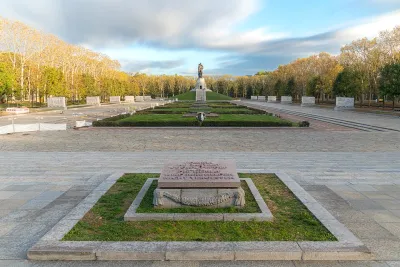
Explore the monumental Soviet War Memorial in Berlin's Treptow Park, honoring fallen Red Army soldiers. A powerful WWII historical travel destination.
Rating: ★★★★☆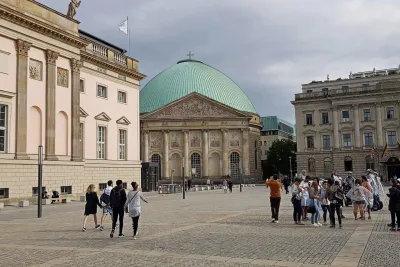
Stand at Bebelplatz in Berlin, where the infamous Nazi book burning took place. Discover its chilling WWII history and reflect on the power of ideas.
Rating: ★★★★☆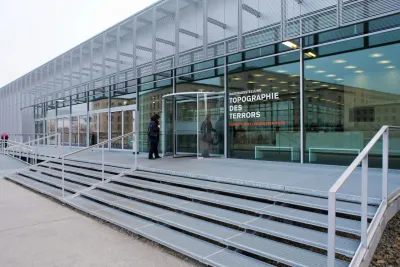
Explore the Topography of Terror in Berlin, built on the former Gestapo & SS headquarters. Confront the chilling history of Nazi terror at this essential WWII site.
Rating: ★★★★☆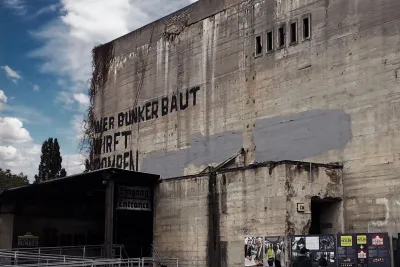
Explore the Berlin Story Bunker, a genuine WWII air raid shelter now a museum, offering a powerful journey into Berlin's wartime experience and Hitler's last days.
Rating: ★★★★★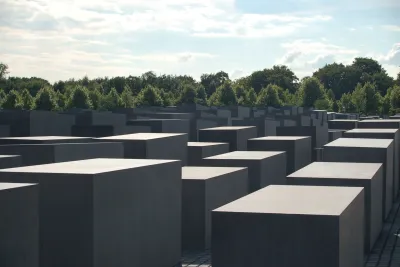
Explore the solemn Memorial to the Murdered Jews of Europe in Berlin. A powerful tribute to Holocaust victims and a vital stop for WWII history.
Rating: ★★★★★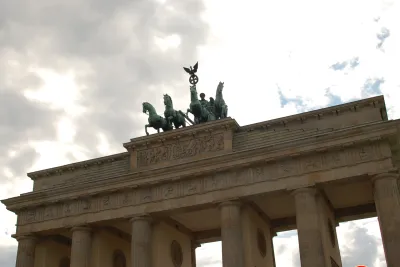
Stand at the Brandenburger Tor, a symbol of Berlin's turbulent WWII past. Discover its role in conflict and its powerful message of peace today.
Rating: ★★★★★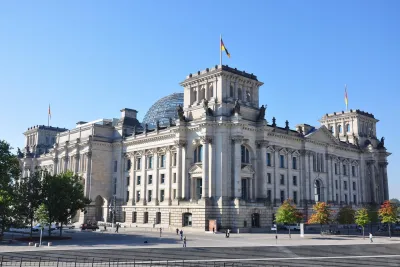
Explore the Reichstagsgebäude in Berlin, a pivotal World War II site. Stand where history was made during the Battle of Berlin and reflect on its past.
Rating: ★★★★★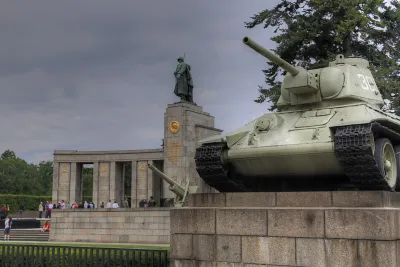
Stand where history unfolded. Visit the Soviet War Memorial Tiergarten in Berlin, a powerful tribute to Red Army soldiers in the Battle of Berlin. Discover its history.
Rating: ★★★★☆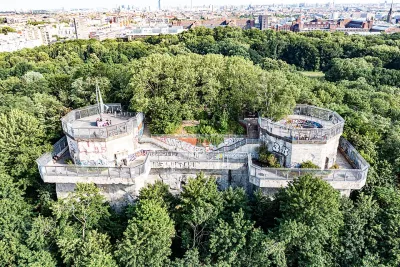
Explore Flakturm Humboldthain in Berlin, a colossal WWII flak tower. Discover its grim history, role in air defense, and what remains today of this wartime relic.
Rating: ★★★★☆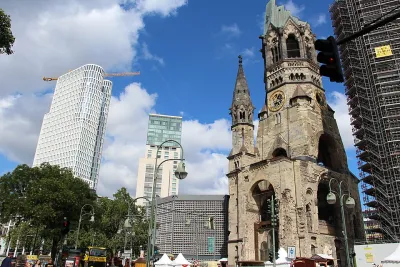
Witness the enduring symbol of peace and remembrance at Berlin's Kaiser Wilhelm Memorial Church, a poignant WWII landmark.
Rating: ★★★★☆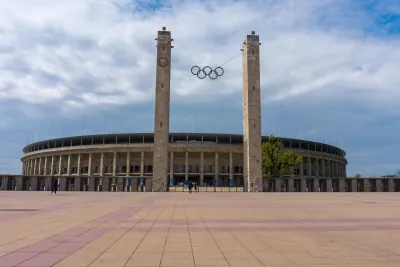
Explore Berlin's Olympiastadion, a site from Nazi propaganda to a WWII Allied HQ. Understand its pivotal role in history and its lasting impact.
Rating: ★★★★☆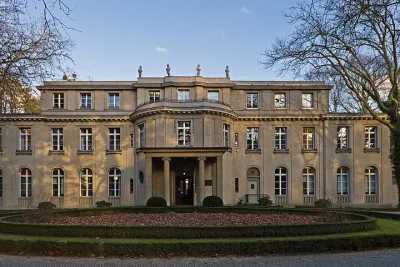
Visit the House of the Wannsee Conference in Berlin, where the "Final Solution" was planned. A solemn journey into a dark chapter of WWII history.
Rating: ★★★★☆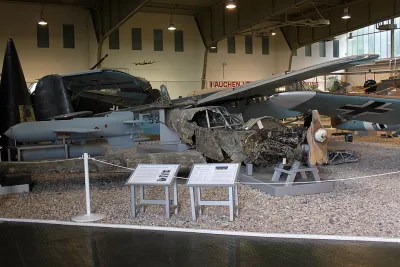
Explore the German Air Force Museum Gatow, a former Luftwaffe airfield during WWII. Discover historic aircraft and feel the history of Berlin's aviation past.
Rating: ★★★★☆
Plan your World War II trip with guides to museums, battlefields, memorials and historic sites worldwide. Discover the best WWII locations for your next tour.