
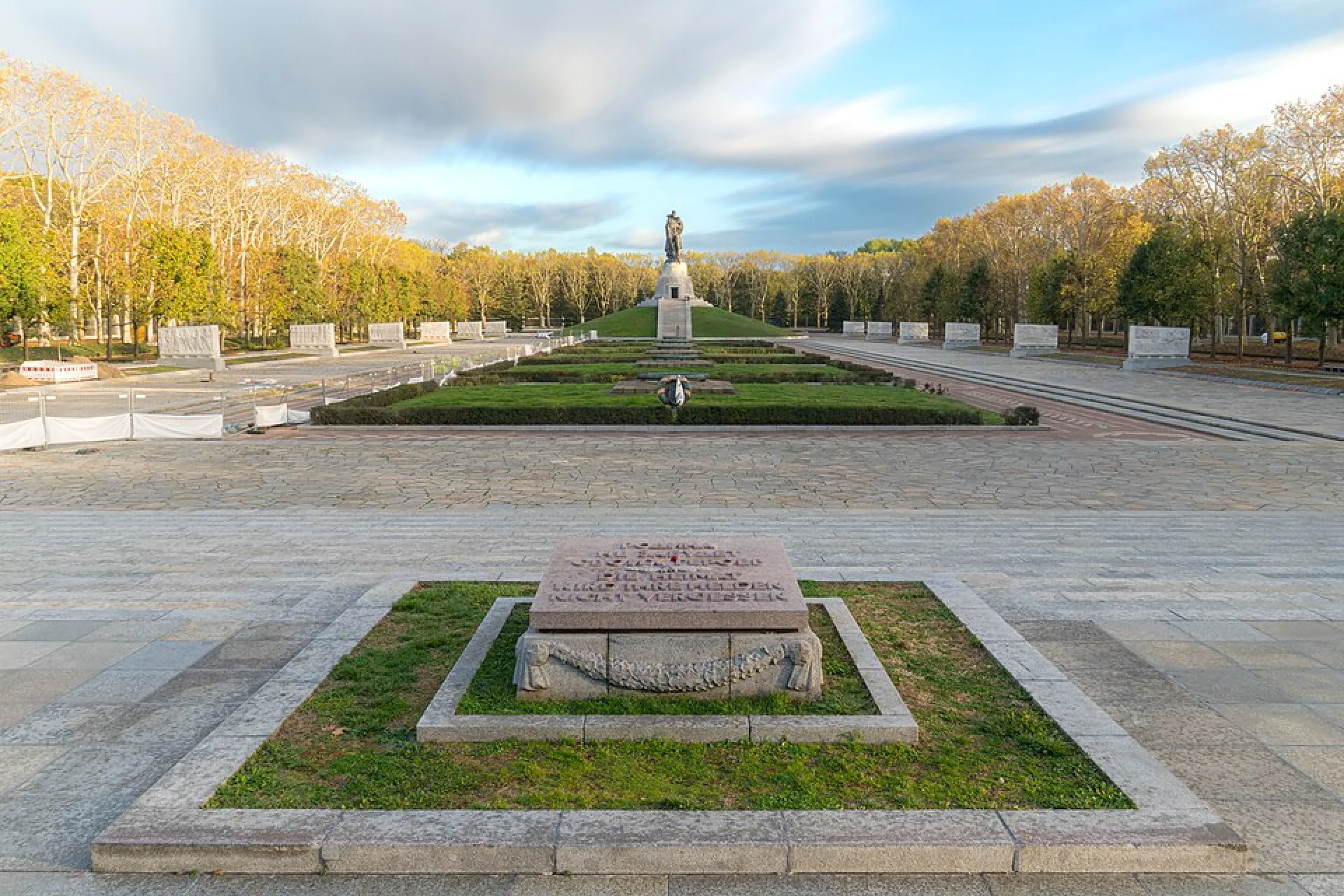
 Photo: Fernando / Wikimedia Commons / License: CC BY-SA 4.0
The air in Treptow Park, Berlin, carries a solemn weight, a silence that speaks volumes. Here, amidst green avenues and quiet paths, stands one of the largest and most poignant war memorials in Germany: the Soviet War Memorial. This vast complex isn't merely a monument; it is a final resting place, a powerful testament to the immeasurable human cost of World War II and the sacrifice of over 80,000 Soviet soldiers who fell during the Battle of Berlin. Standing on this hallowed ground, one cannot help but feel the echoes of history, a profound connection to the climactic final days of the war in Europe.
As the Red Army advanced relentlessly towards Berlin in the spring of 1945, they faced fierce resistance. The Battle of Berlin, one of the final major offensives of the European theatre, was a brutal and costly struggle. Thousands of Soviet soldiers lost their lives in the relentless push to capture the Nazi capital. Following the Allied victory, the Soviet Union commissioned a series of memorials in Berlin to honor its fallen heroes, with the Treptow Park memorial being the most prominent and ambitious. Designed by Soviet architect Yakov Belopolsky and sculptor Yevgeny Vuchetich, its construction began in 1946 and was completed in 1949.
The memorial covers an area of 10 hectares, a sprawling necropolis where approximately 7,000 Red Army soldiers are buried. At its heart stands the colossal 12-meter-tall bronze statue of a Soviet soldier, his foot resting on a broken swastika, holding a sword and cradling a German child. This iconic image symbolizes the liberation of Europe and the humanity shown even amidst the destruction of war. Flanking the main path are sixteen stone sarcophagi, each adorned with bas-relief carvings depicting scenes of the Red Army's struggles and triumphs, accompanied by Cyrillic inscriptions detailing the Soviet people's sacrifices and their quest for peace. The sheer scale and intricate detail of the artistry compel visitors to reflect on the immense effort and loss.
The Soviet War Memorial in Treptow Park serves as a monumental tribute to the Soviet soldiers who gave their lives to defeat Nazi Germany. It marks the culmination of the Eastern Front's brutal campaigns, a front that bore the brunt of the fighting and inflicted the vast majority of German casualties. While a symbol of Soviet victory, it is fundamentally a place of remembrance for the dead, transcending political ideologies to honor the human lives sacrificed. It reminds us of the devastating impact of totalitarianism and the profound cost of liberation.
Today, the memorial is an enduring symbol of peace and reconciliation, a site of respectful pilgrimage. Visitors can walk the impressive avenues lined with weeping birches, admire the powerful statuary, and read the poignant inscriptions. The quiet dignity of the grounds invites contemplation, allowing one to grasp the scale of the past and the importance of its lessons. The eternal flame, the towering statues, and the vast burial fields collectively create an atmosphere of profound solemnity.
A visit to the Soviet War Memorial Treptow is an essential component of any comprehensive World War II history journey in Berlin. It offers a unique and powerful perspective on the Eastern Front, complementing visits to other historical sites across the city. Come prepared for quiet reflection, to bear witness to a pivotal chapter in human history, and to pay respect to those who fell. It is a journey not just through history, but through the enduring legacy of courage and sacrifice.
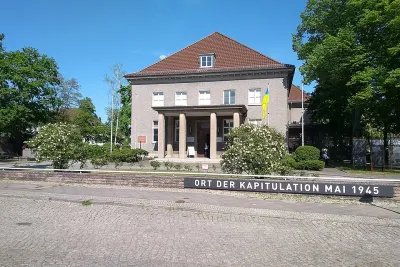
Visit Museum Berlin-Karlshorst, where Germany's WWII surrender was signed. Explore the Eastern Front's history and the war's end. A crucial historical journey.
Rating: ★★★★☆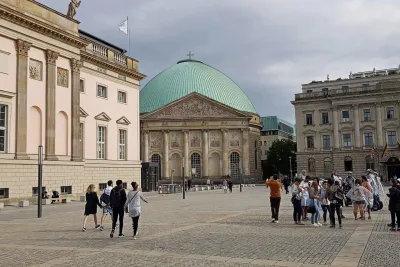
Stand at Bebelplatz in Berlin, where the infamous Nazi book burning took place. Discover its chilling WWII history and reflect on the power of ideas.
Rating: ★★★★☆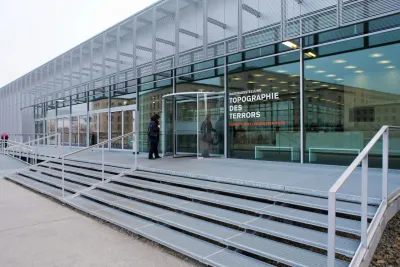
Explore the Topography of Terror in Berlin, built on the former Gestapo & SS headquarters. Confront the chilling history of Nazi terror at this essential WWII site.
Rating: ★★★★☆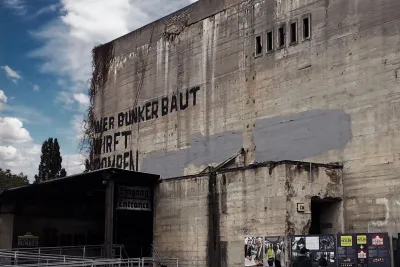
Explore the Berlin Story Bunker, a genuine WWII air raid shelter now a museum, offering a powerful journey into Berlin's wartime experience and Hitler's last days.
Rating: ★★★★★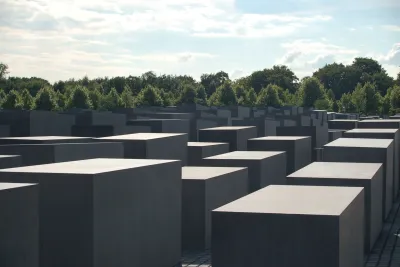
Explore the solemn Memorial to the Murdered Jews of Europe in Berlin. A powerful tribute to Holocaust victims and a vital stop for WWII history.
Rating: ★★★★★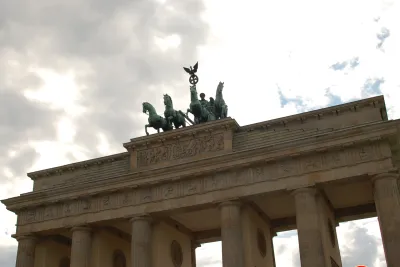
Stand at the Brandenburger Tor, a symbol of Berlin's turbulent WWII past. Discover its role in conflict and its powerful message of peace today.
Rating: ★★★★★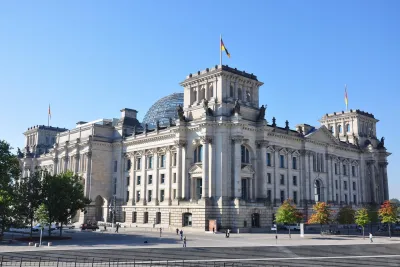
Explore the Reichstagsgebäude in Berlin, a pivotal World War II site. Stand where history was made during the Battle of Berlin and reflect on its past.
Rating: ★★★★★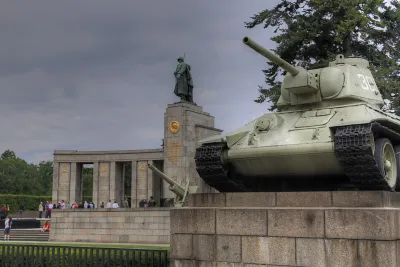
Stand where history unfolded. Visit the Soviet War Memorial Tiergarten in Berlin, a powerful tribute to Red Army soldiers in the Battle of Berlin. Discover its history.
Rating: ★★★★☆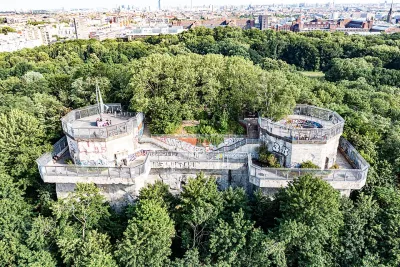
Explore Flakturm Humboldthain in Berlin, a colossal WWII flak tower. Discover its grim history, role in air defense, and what remains today of this wartime relic.
Rating: ★★★★☆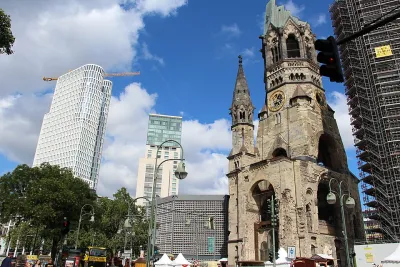
Witness the enduring symbol of peace and remembrance at Berlin's Kaiser Wilhelm Memorial Church, a poignant WWII landmark.
Rating: ★★★★☆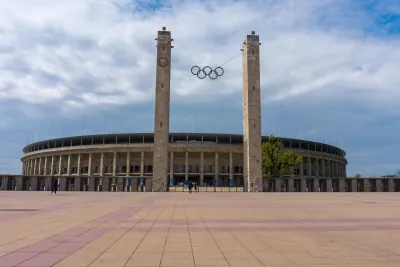
Explore Berlin's Olympiastadion, a site from Nazi propaganda to a WWII Allied HQ. Understand its pivotal role in history and its lasting impact.
Rating: ★★★★☆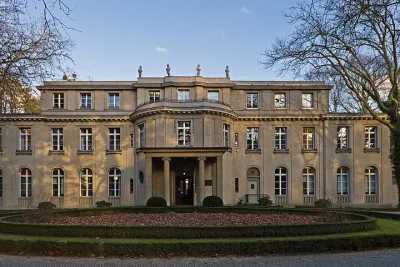
Visit the House of the Wannsee Conference in Berlin, where the "Final Solution" was planned. A solemn journey into a dark chapter of WWII history.
Rating: ★★★★☆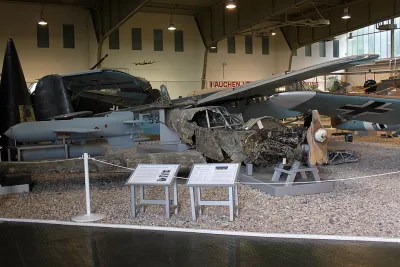
Explore the German Air Force Museum Gatow, a former Luftwaffe airfield during WWII. Discover historic aircraft and feel the history of Berlin's aviation past.
Rating: ★★★★☆
Plan your World War II trip with guides to museums, battlefields, memorials and historic sites worldwide. Discover the best WWII locations for your next tour.